From the Field
A reference for the small, the loud,
and the quietly remarkable.
Identification, behaviour, and feeding guides for the birds you can actually see: Fringillidae, Parulidae, Picidae, Trochilidae, and the rest of the families that visit the average garden. Written by an ornithologist with twelve thousand standardised garden hours on the books.
By Family
Browse the families
Recently Added
From the field notebook
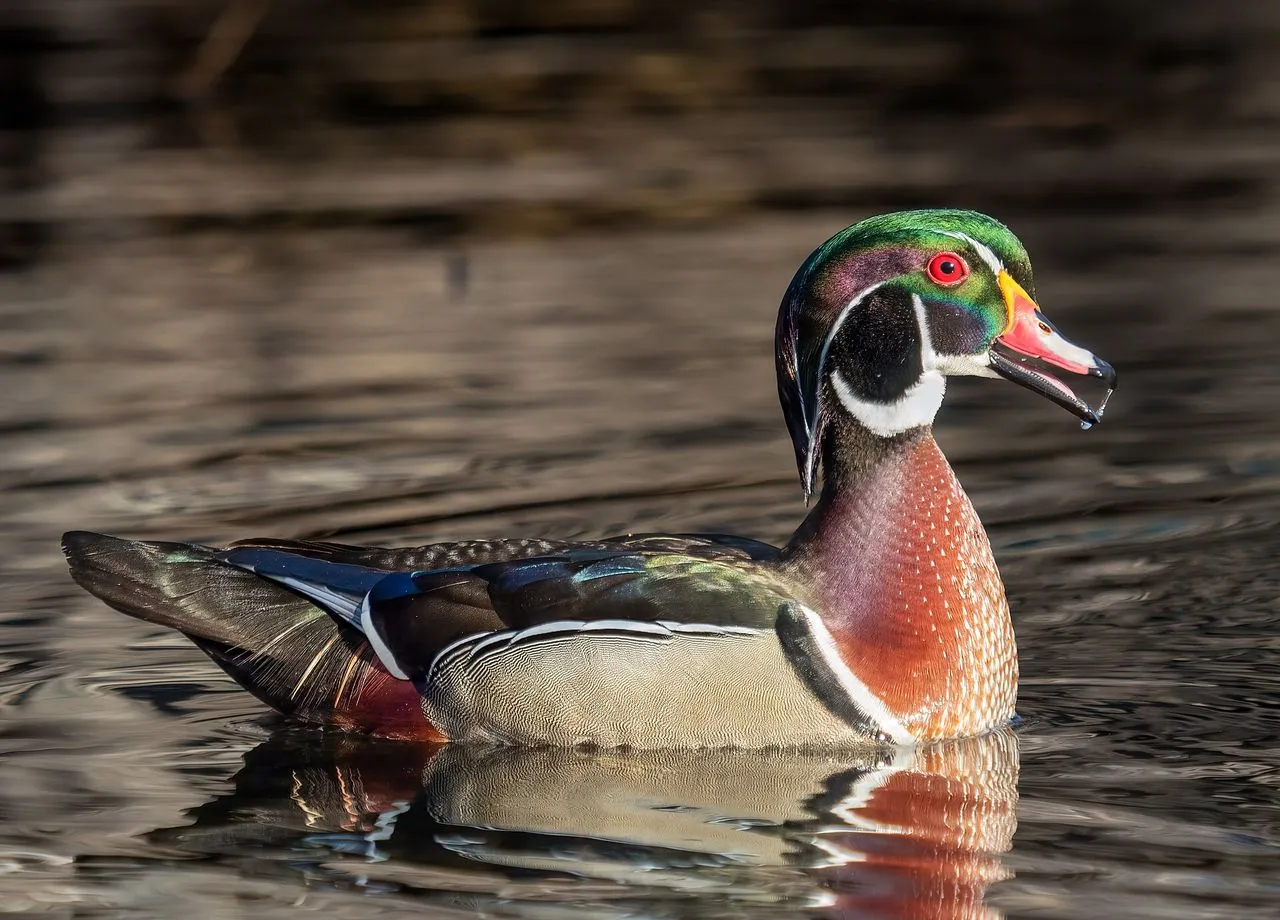
Gadwall (Mareca strepera): The Quiet Elegance
Gadwall (Mareca strepera), the only North American duck with a white speculum. Field profile covering identification, dabbling ecology, range expansion, and the 2017 generic reclassification.
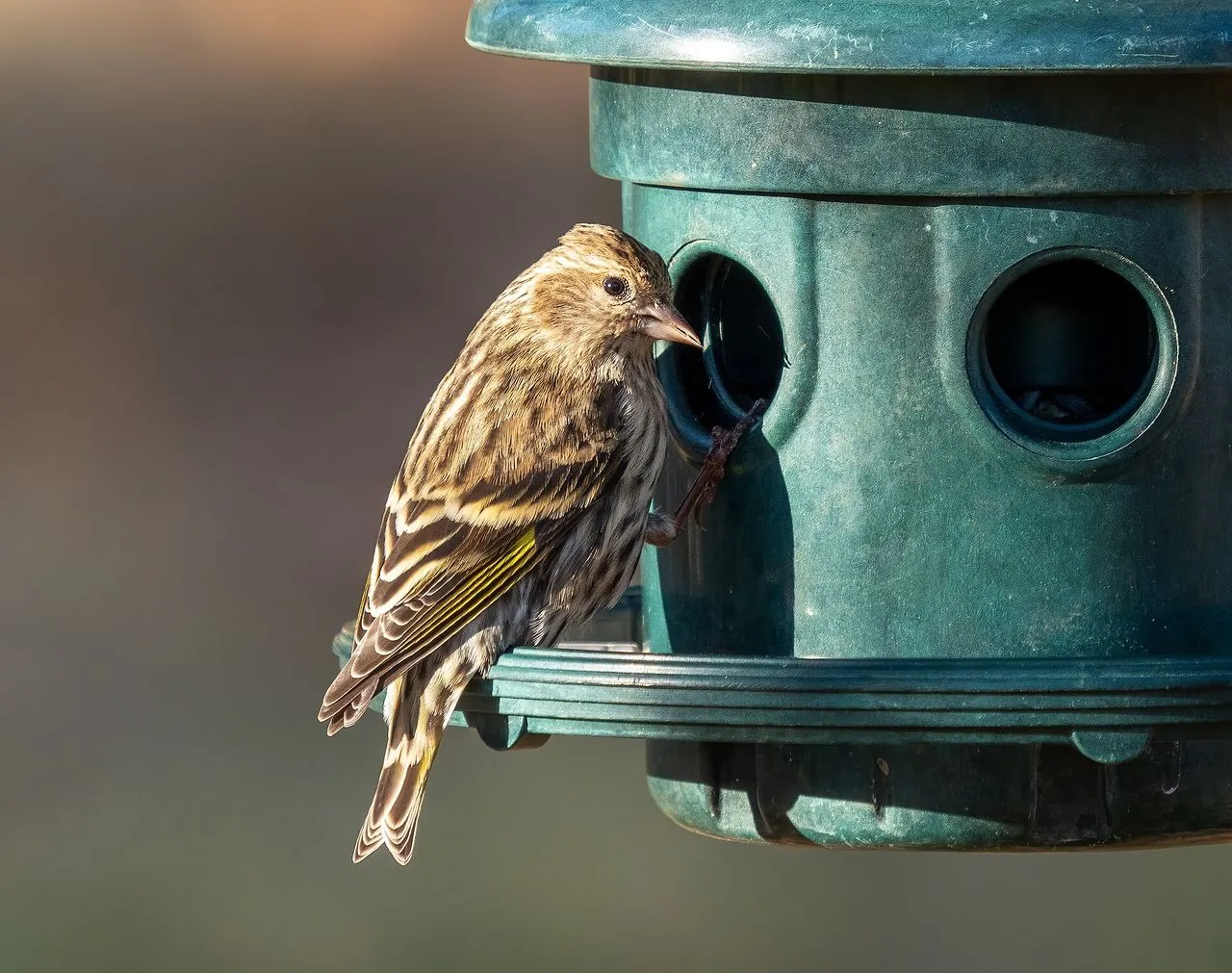
American vs European Goldfinch: How to Tell Them Apart
Side-by-side ID for American Goldfinch (Spinus tristis) and European Goldfinch (Carduelis carduelis). Includes range overlap, vagrant records, and field marks.
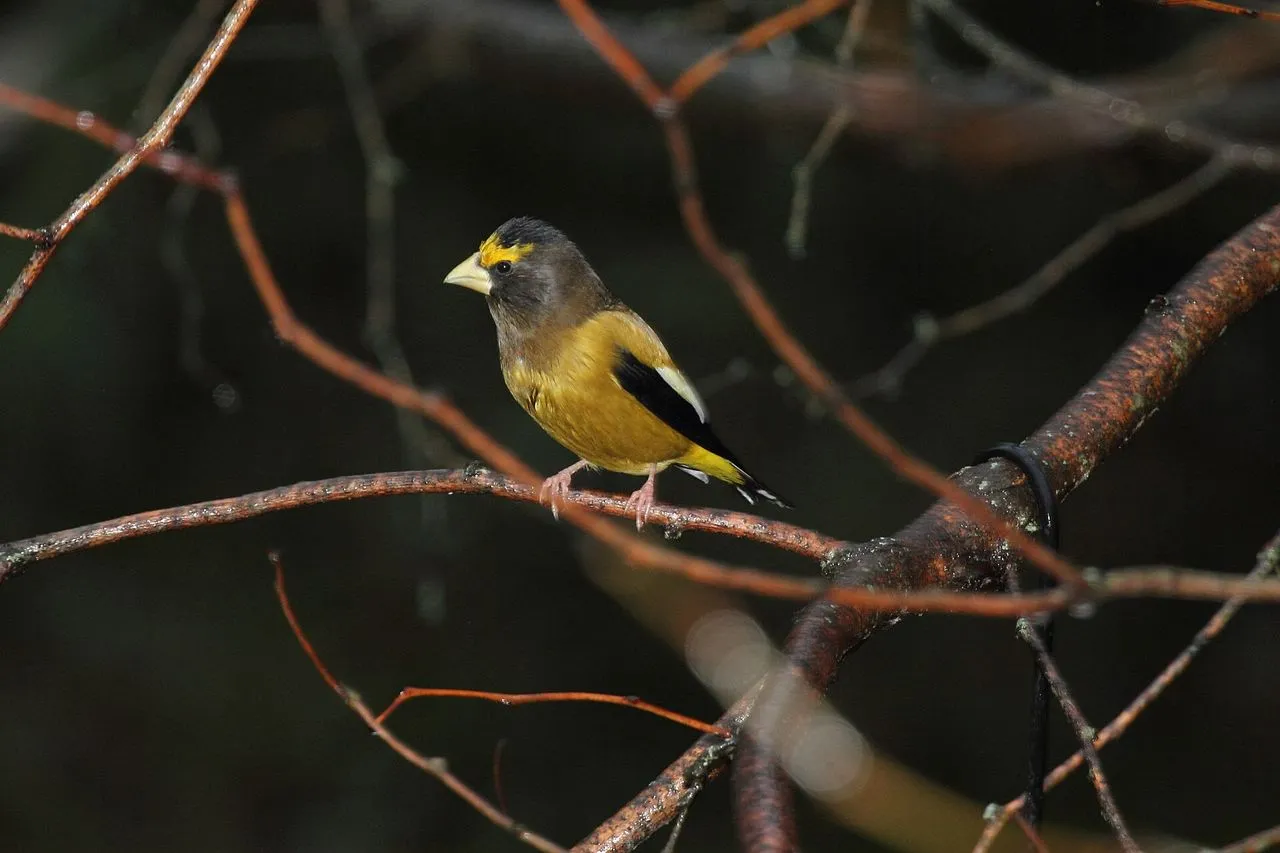
House Finch vs Purple Finch: How to Tell Them Apart
Field-mark separation for House Finch vs Purple Finch males and females, with range, habitat, and song cues. Includes the bold-eyebrow rule for females.
Mallard vs American Black Duck: Speculum and Bill Decide
Speculum borders, bill colour, and the sex-similarity rule separate Mallard from American Black Duck. Hybridisation is common across the Atlantic flyway.
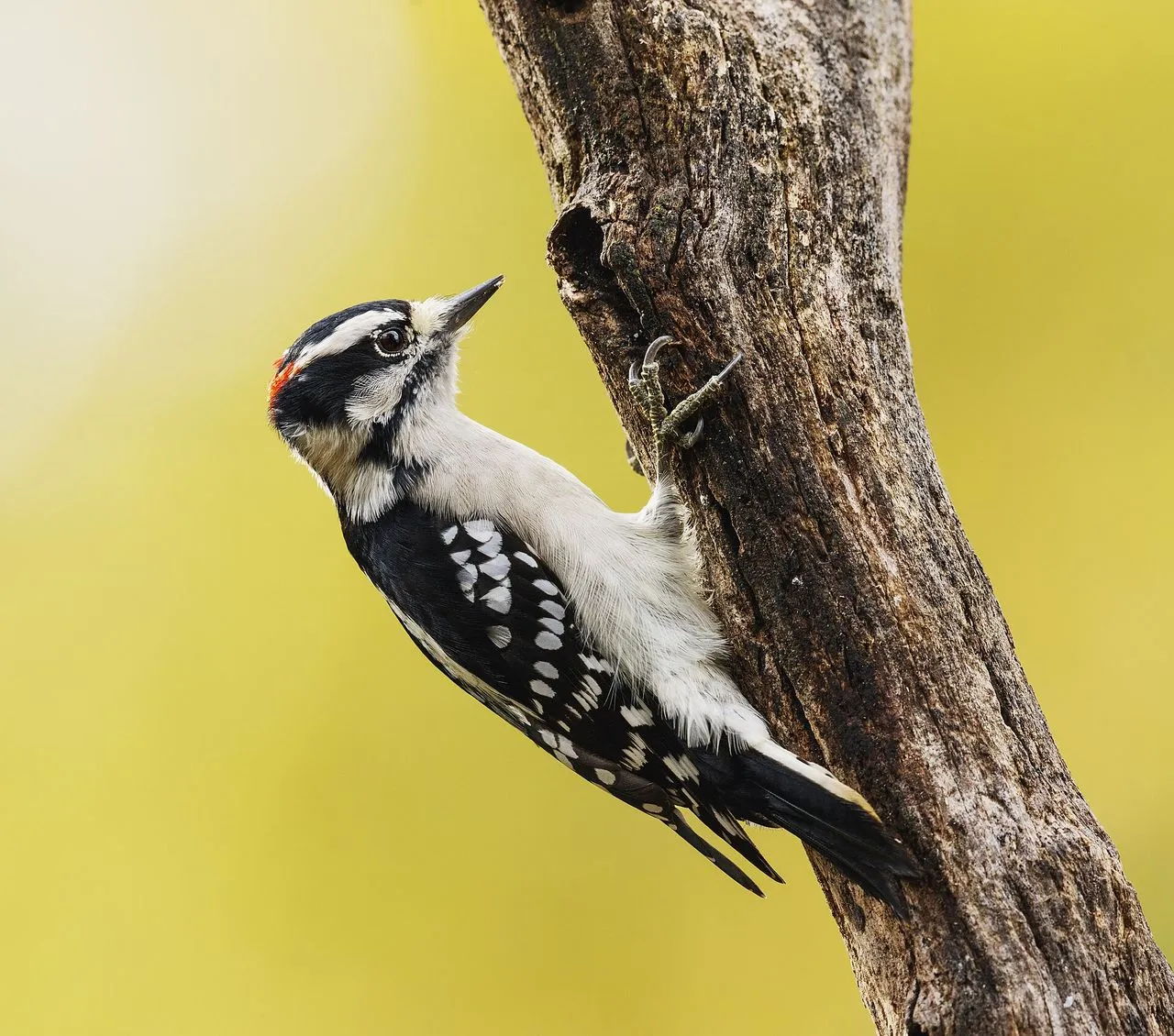
Downy vs Hairy Woodpecker: Field-mark Diagnostic
Bill length, outer tail feathers, and call separate Downy Woodpecker from Hairy Woodpecker. Includes the convergent-evolution context and feeder behaviour differences.
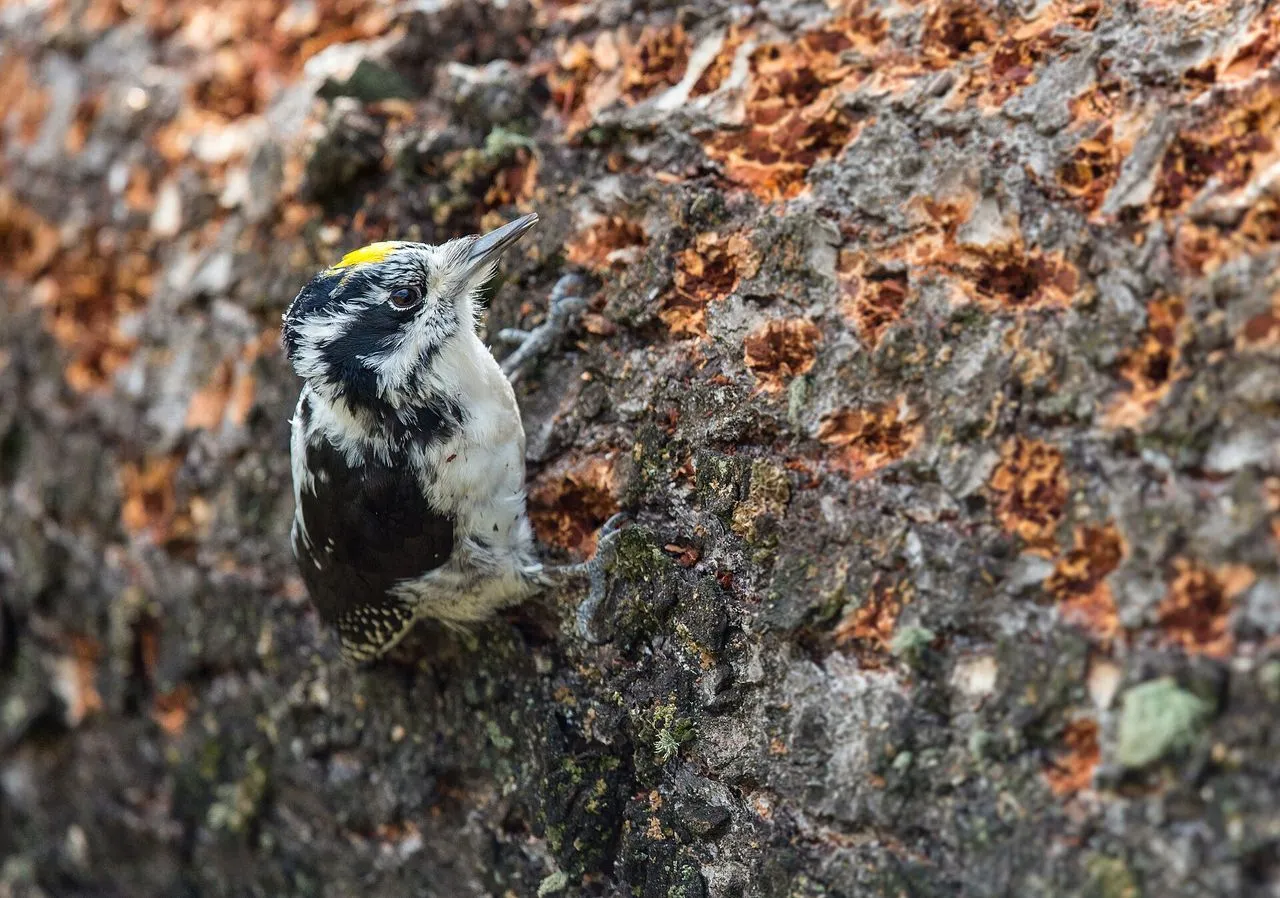
Why Is a Woodpecker Pecking My House?
Four reasons woodpeckers attack houses, a diagnostic table by damage pattern and species, effective deterrents, MBTA legal protections, and when to expect damage to peak seasonally.
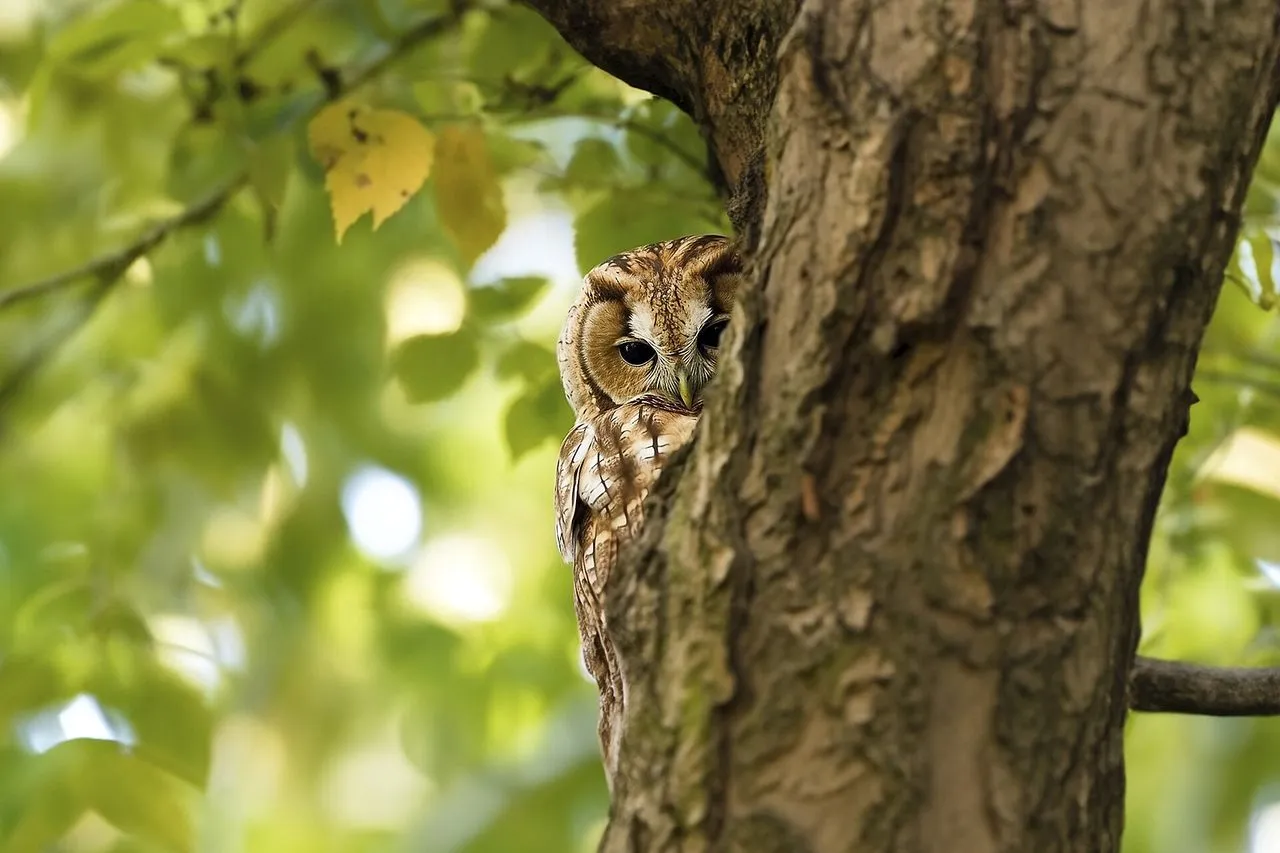
Why Is an Owl Calling at Night?
Why owls call at night: territory, mating, and juvenile begging explained, with a species-by-call diagnostic table covering Great Horned, Barred, Barn Owl, screech-owls, and five more North American species, plus UK species and common misidentifications.
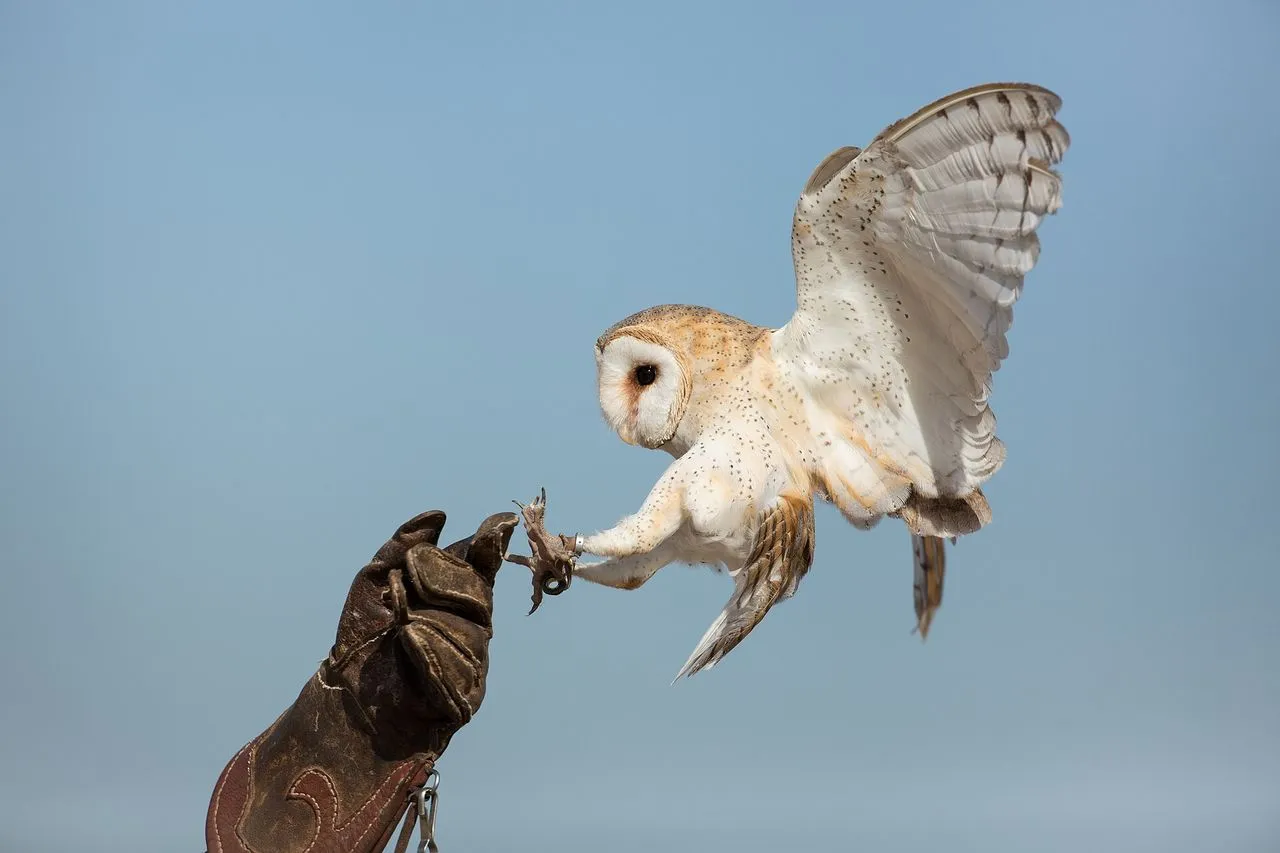
Great Horned Owl vs Barred Owl: The Nighttime ID
Ear tufts, eye colour, voice, and habitat separate Great Horned Owl from Barred Owl. The two most common large North American owls in side-by-side comparison.
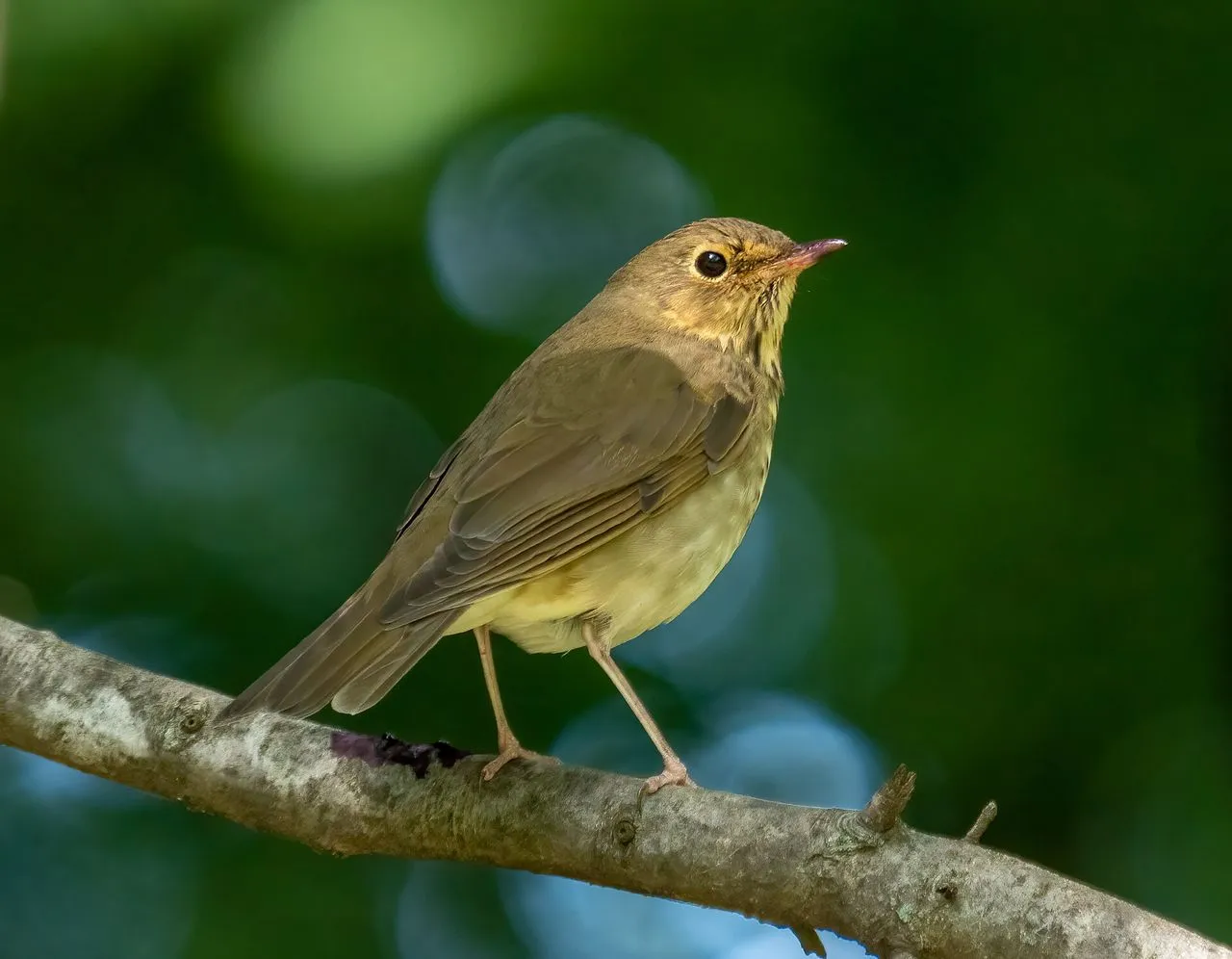
American Robin vs European Robin: Two Birds, One Name
Not closely related. American Robin is a large thrush of North America; European Robin is a small chat of Eurasia. The shared name comes from a passing resemblance in breast colour.
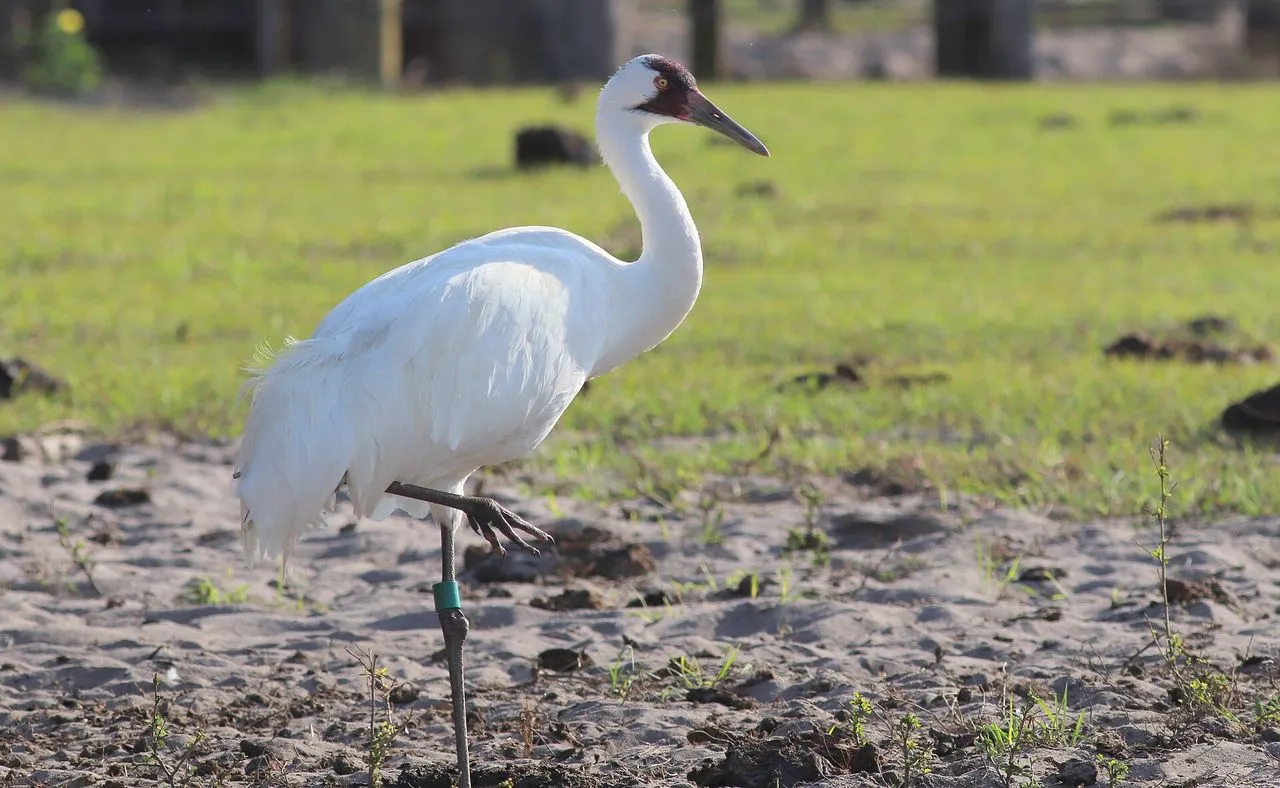
Wood Stork (Mycteria americana): The Tactile Feeder
Wood Stork (Mycteria americana), the only native North American stork. Field profile covering identification, tactile feeding behaviour, wetland ecology, and the threatened-to-stable recovery.
Why Is an Owl in My Yard?
Why owls appear in yards: daytime roost sites, fledgling behaviour, diurnal species, how to read mobbing crows, when to call a wildlife rehabilitator, with a diagnostic table and species ID guide.
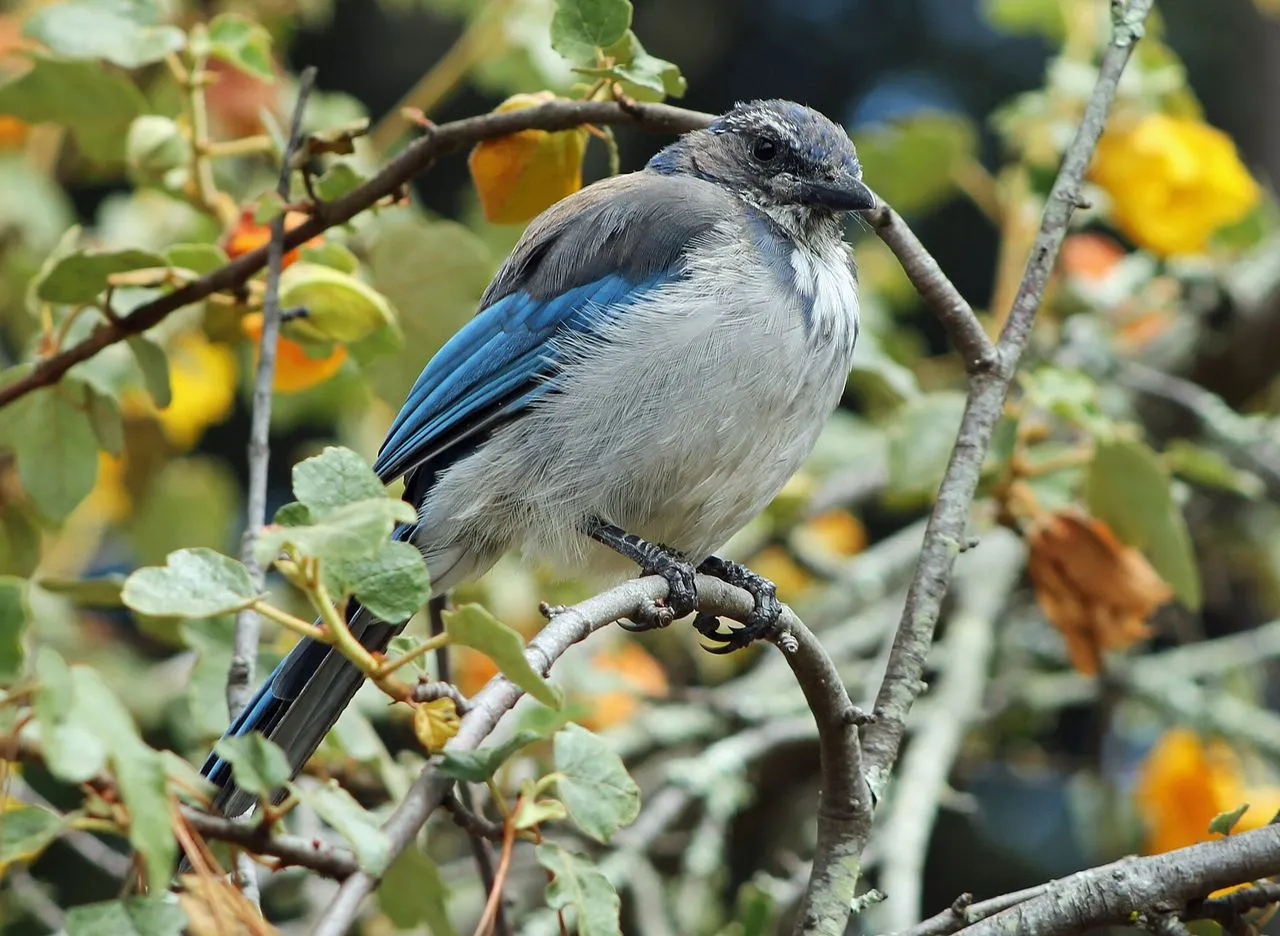
Why Corvids Are Intelligent: The Bird Brain Reconsidered
Brain-to-body ratio, tool use, mirror self-recognition, face recognition, and caching deception. The documented abilities that place corvids alongside great apes in cognitive sophistication.
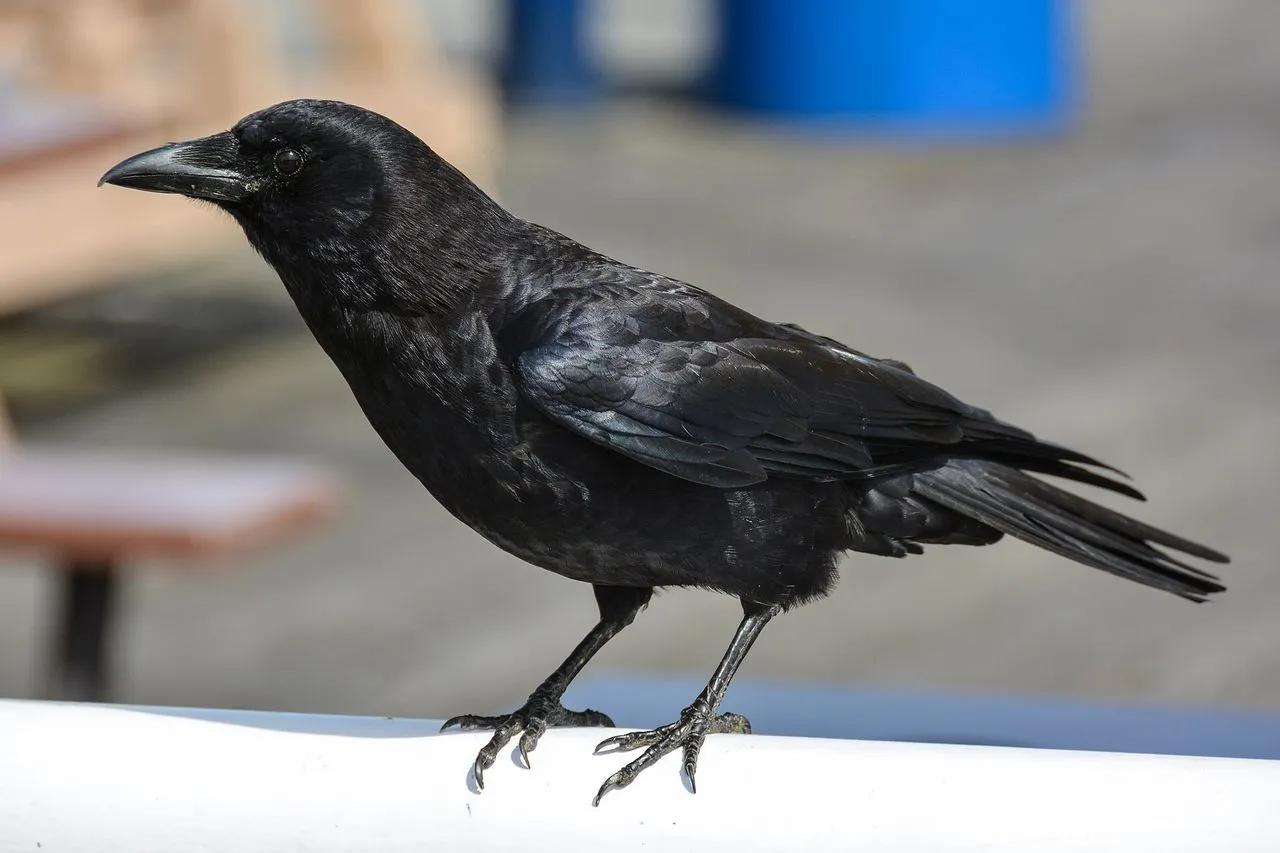
Why Are Crows Attacking Other Birds?
Why American Crows attack other birds: mobbing raptors and owls, nest predation, territorial disputes, and food competition explained. Diagnostic table, ecological impact evidence, and MBTA legal protections included.
Why Are Crows Cawing at My House?
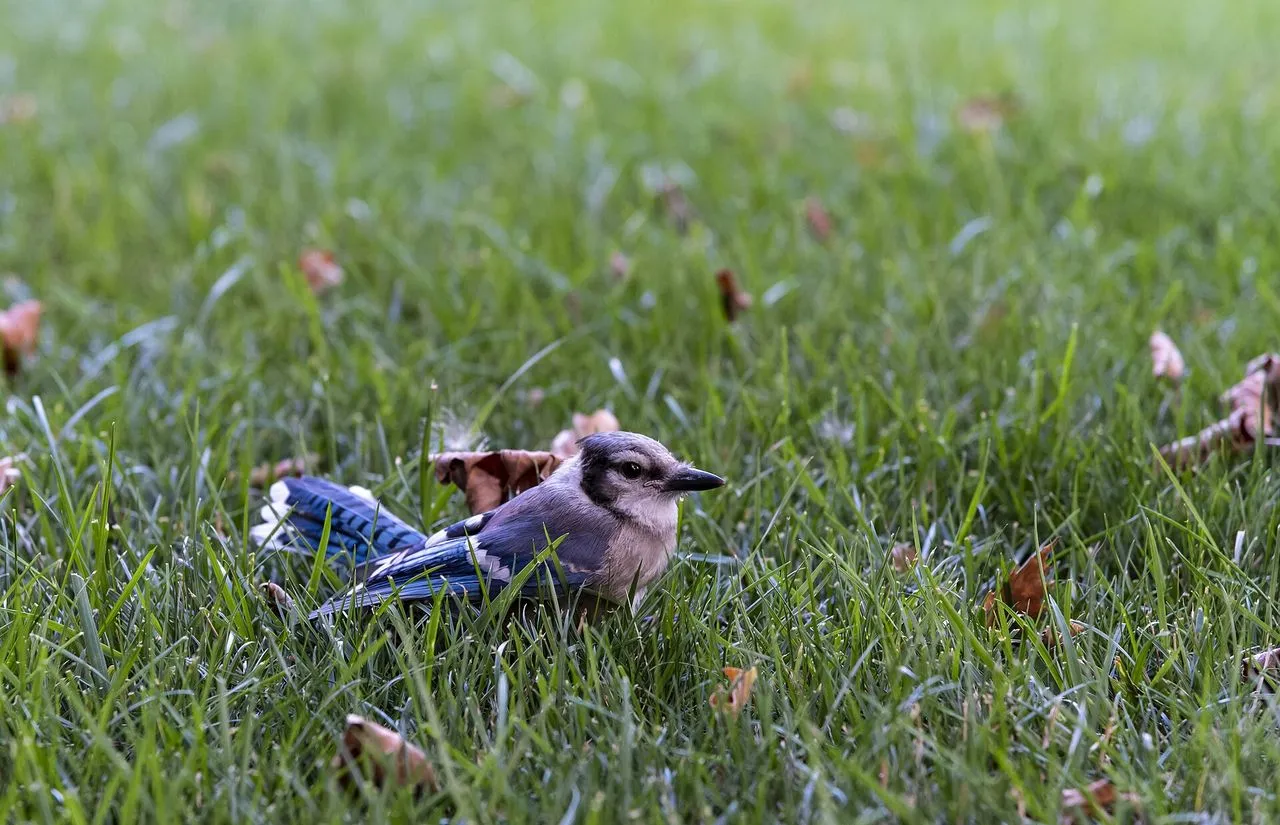
Seven reasons crows caw at your house, from predator mobbing to territorial calling, with a cadence diagnostic table, the Marzluff face-recognition research explained, and guidance on when to act and when to leave them alone.
Crow vs Raven: Six Reliable Field Marks
Size, tail shape, voice, throat hackles, flight style, and habitat separate American Crow from Common Raven. Includes Fish Crow and Carrion Crow as additional confusions.
Why Are Woodpeckers Drumming on My Gutter?
Why woodpeckers drum on metal gutters, flashing, and downspouts: the territorial communication explanation, why metal amplifies the signal, damage assessment (essentially zero), species identification by drum pattern, and four practical treatment options.
Snowy Egret vs Great Egret: Bill and Feet Decide It
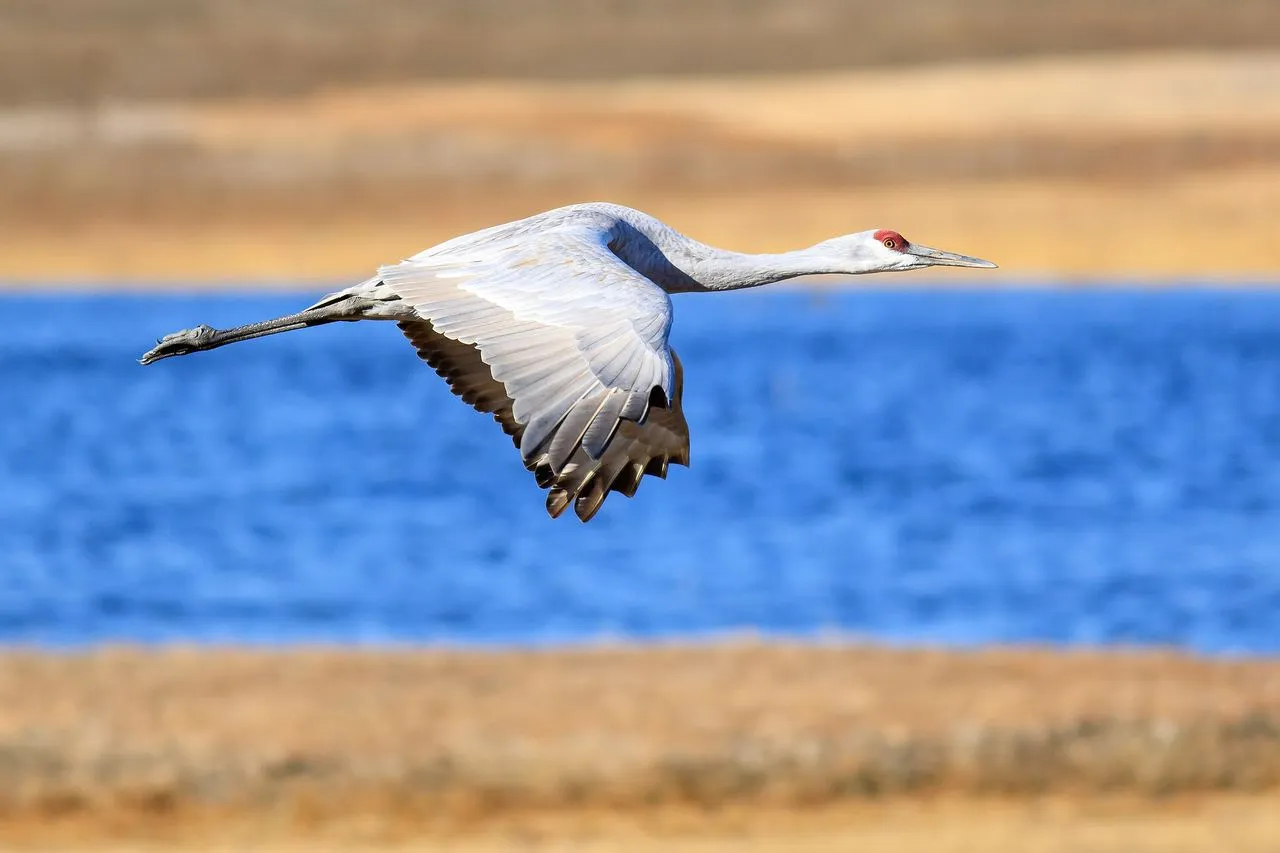
Size, bill colour, and foot colour separate Snowy Egret from Great Egret. Two reliable marks resolve the white-egret ID in North American wetlands.
Eastern vs Western Screech-Owl: Bill Colour Decides It
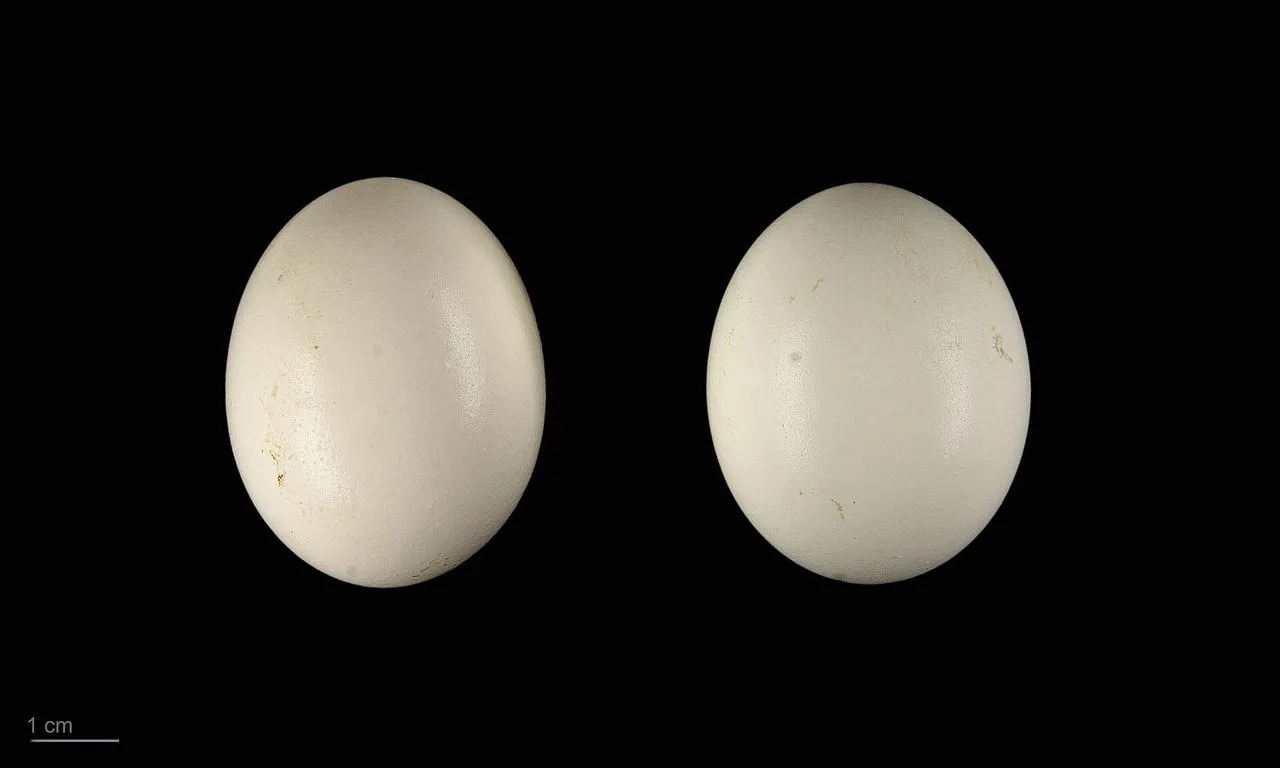
Bill colour, voice, and range separate Eastern Screech-Owl from Western. The two species are nearly identical in size and shape; the diagnostic is in the bill and the call.
Clark's Nutcracker (Nucifraga columbiana): The Cache Master
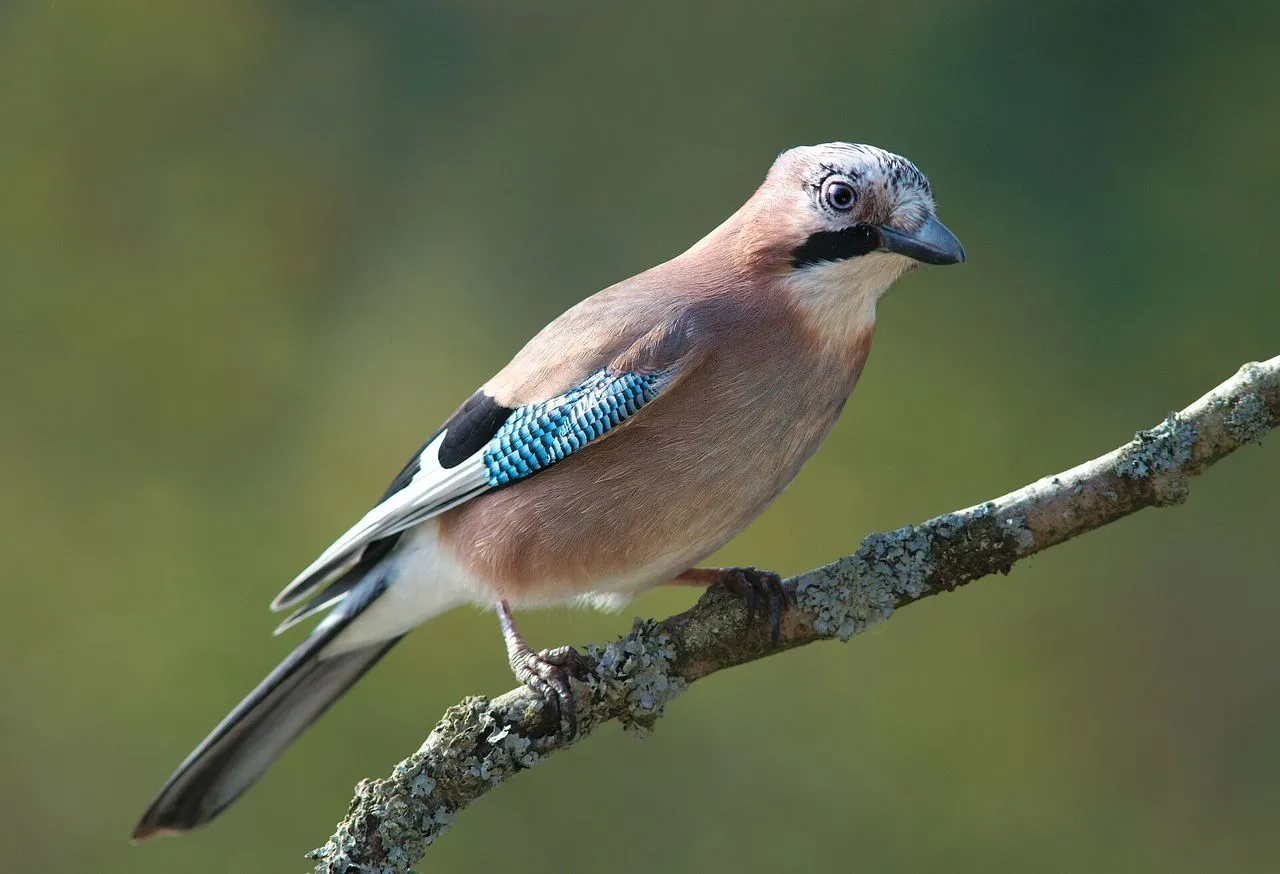
Clark's Nutcracker (Nucifraga columbiana), the western-mountain corvid that caches tens of thousands of conifer seeds annually. Field profile covering ID, whitebark pine mutualism, and conservation.
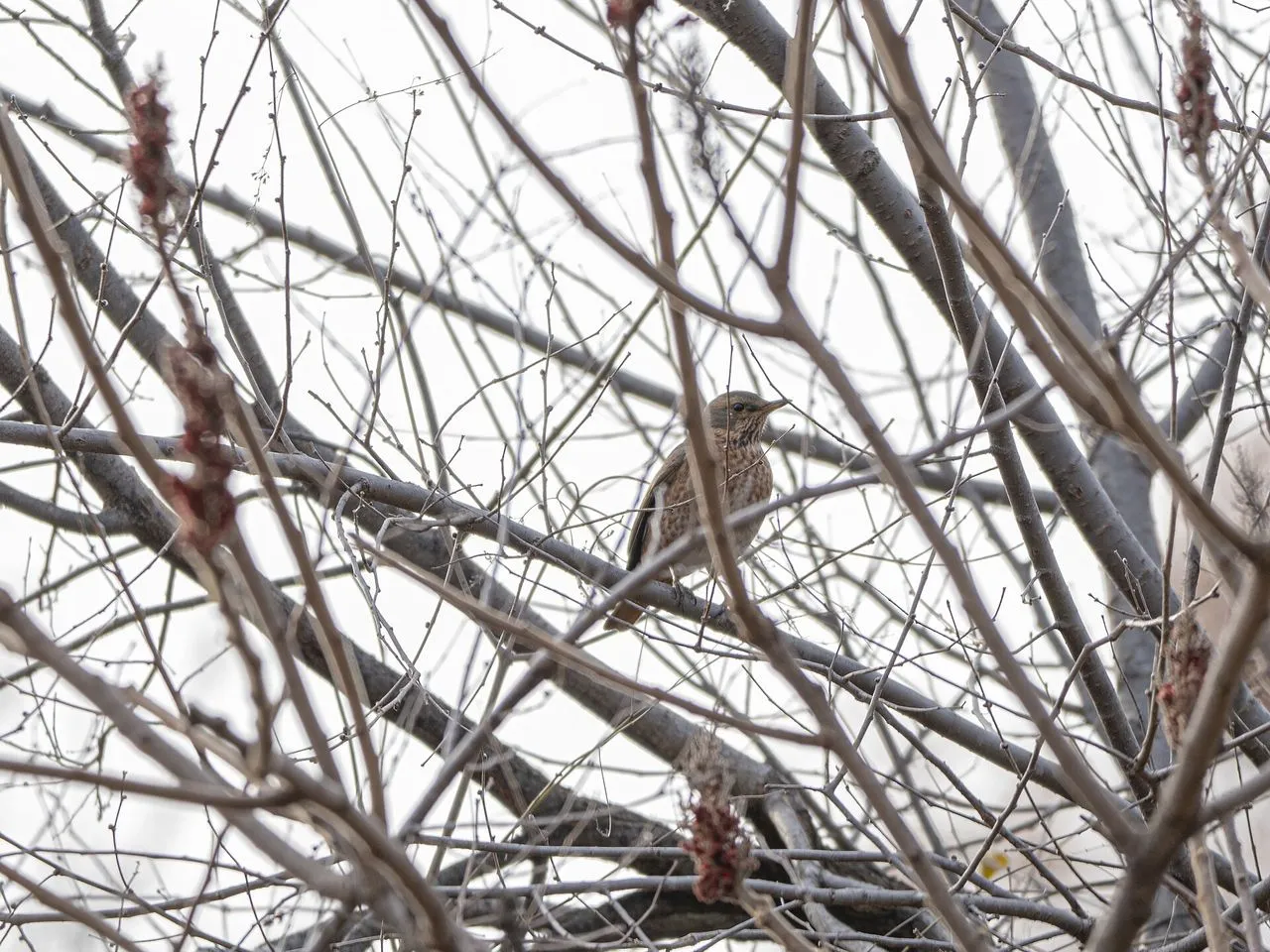
Eastern vs Western Bluebird: The Throat Colour Decides
Throat colour is the single most reliable mark separating Eastern and Western Bluebird. Range, back colour, and habitat reinforce the ID across the contact zone in the southern Rockies.
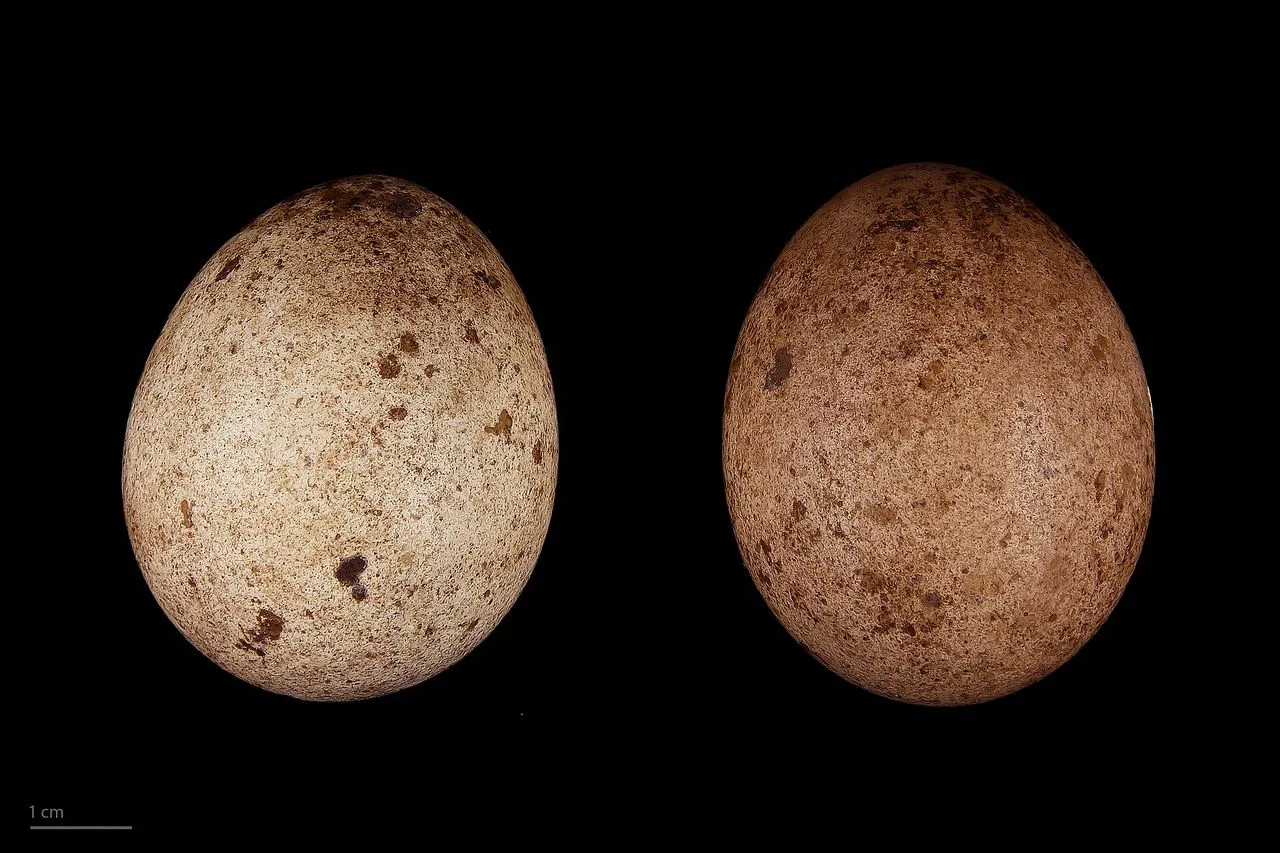
Red-tailed vs Red-shouldered Hawk: Buteo ID for the Eastern US
Size, tail pattern, and the diagnostic primary windows separate Red-tailed Hawk from Red-shouldered Hawk. Habitat, voice, and flight silhouette for eastern North America.
Why Is a Hawk at My Bird Feeder?
A hawk at your feeder is ecologically normal. Cooper's and Sharp-shinned Hawks hunt concentrated prey. Identification, what to do, and legal status.
Why Are Vultures Circling Over My House?
Vultures circling overhead are thermal soaring, not signalling death. Covers Turkey Vulture and Black Vulture ID, olfaction mechanics, threat assessment for pets and structures, and a diagnostic table for when circling is actually meaningful.
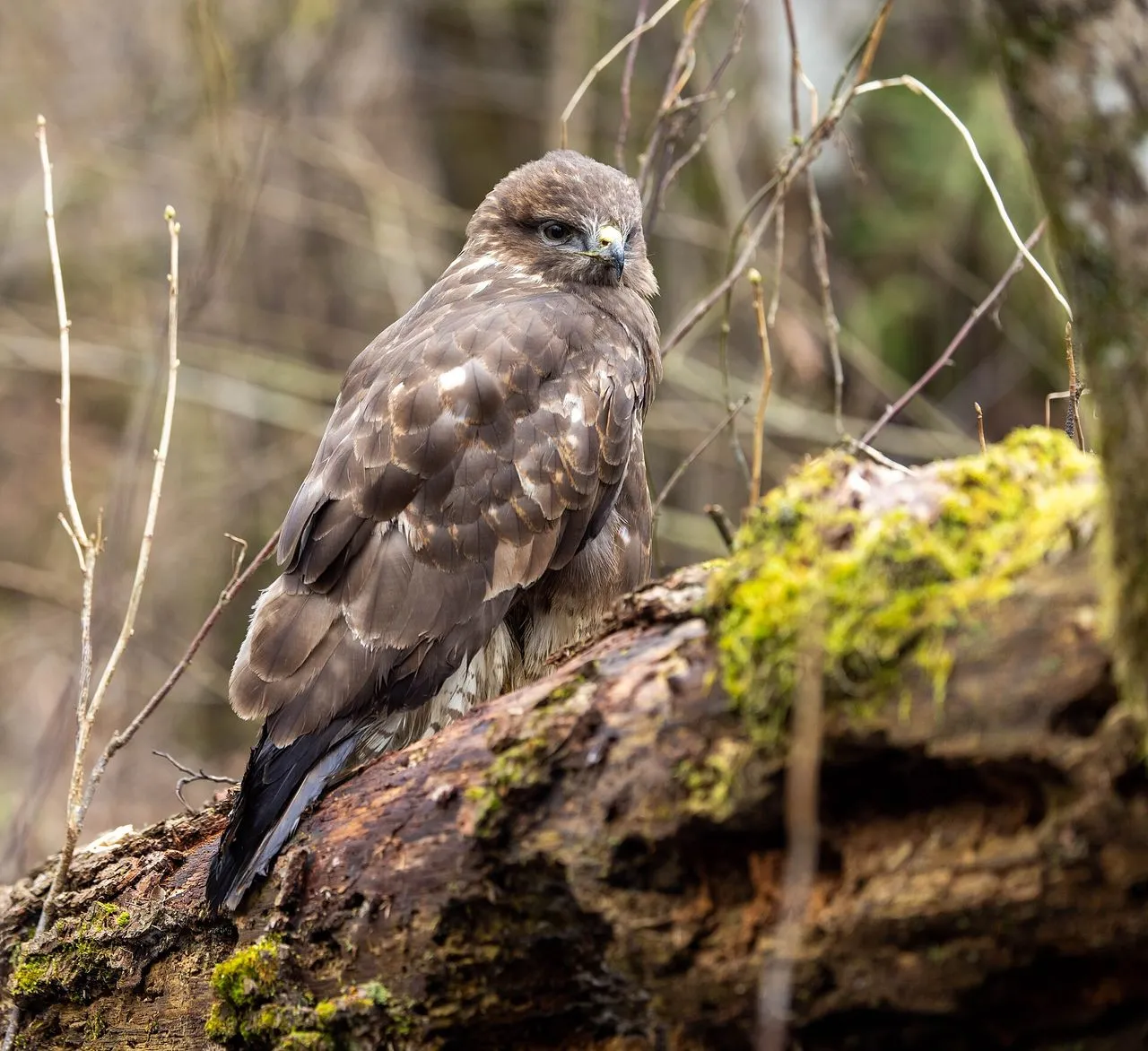
Cooper's Hawk vs Sharp-shinned Hawk: The Accipiter Diagnostic
Head projection, tail shape, and wingbeat cadence separate Cooper's Hawk from Sharp-shinned Hawk. Sex-based size overlap, hunting style, and feeder-station behaviour.
Complete Guides
Pillars for every family
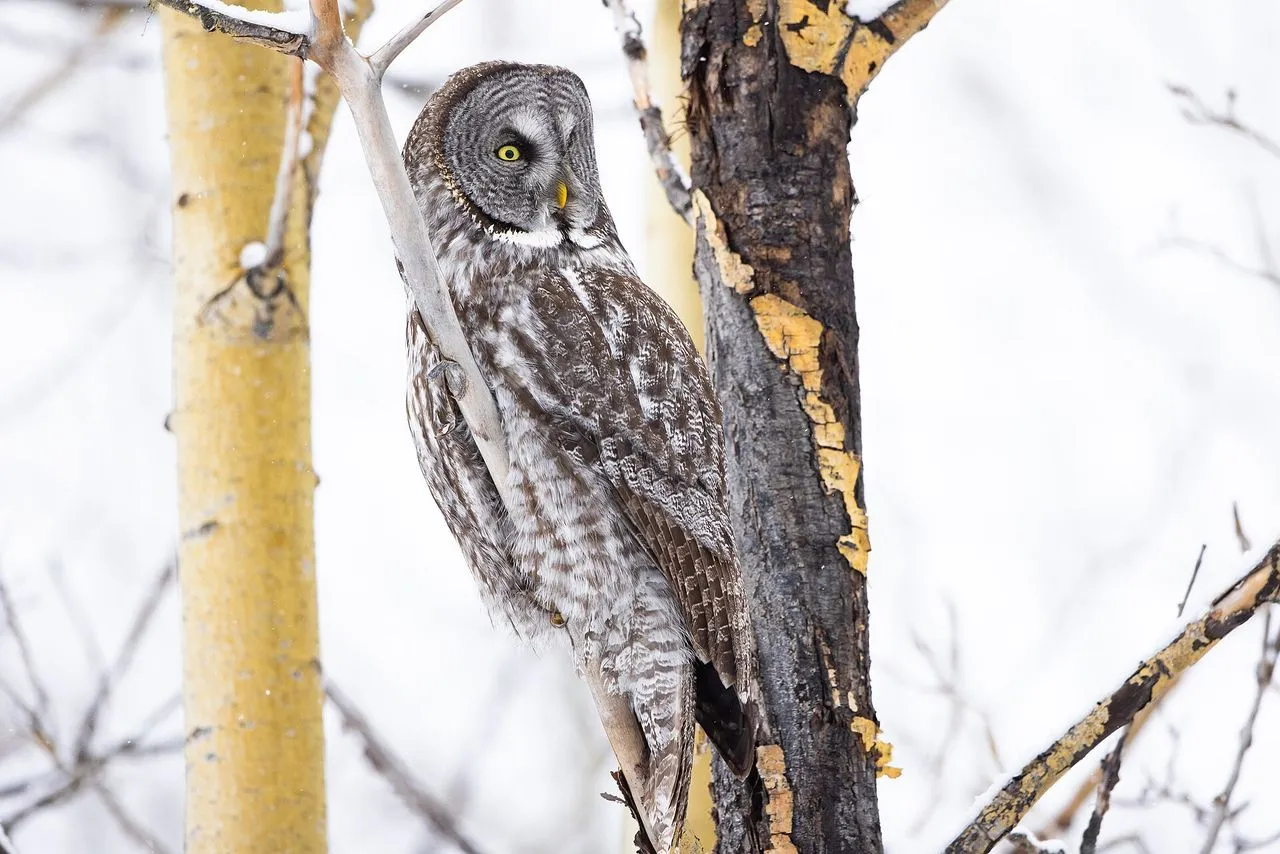
The Complete Owls Guide: Identification, Calls & Where to Find Them
Field reference to owls: silhouette identification, calls, hunting behaviour, pellets, and how to listen for owls at dusk.
The Complete Thrushes & Robins Guide: Family Reference for the Turdidae
Field reference to Turdidae: taxonomy, identification, song, American vs European robin confusion, breeding biology, and feeder preferences.
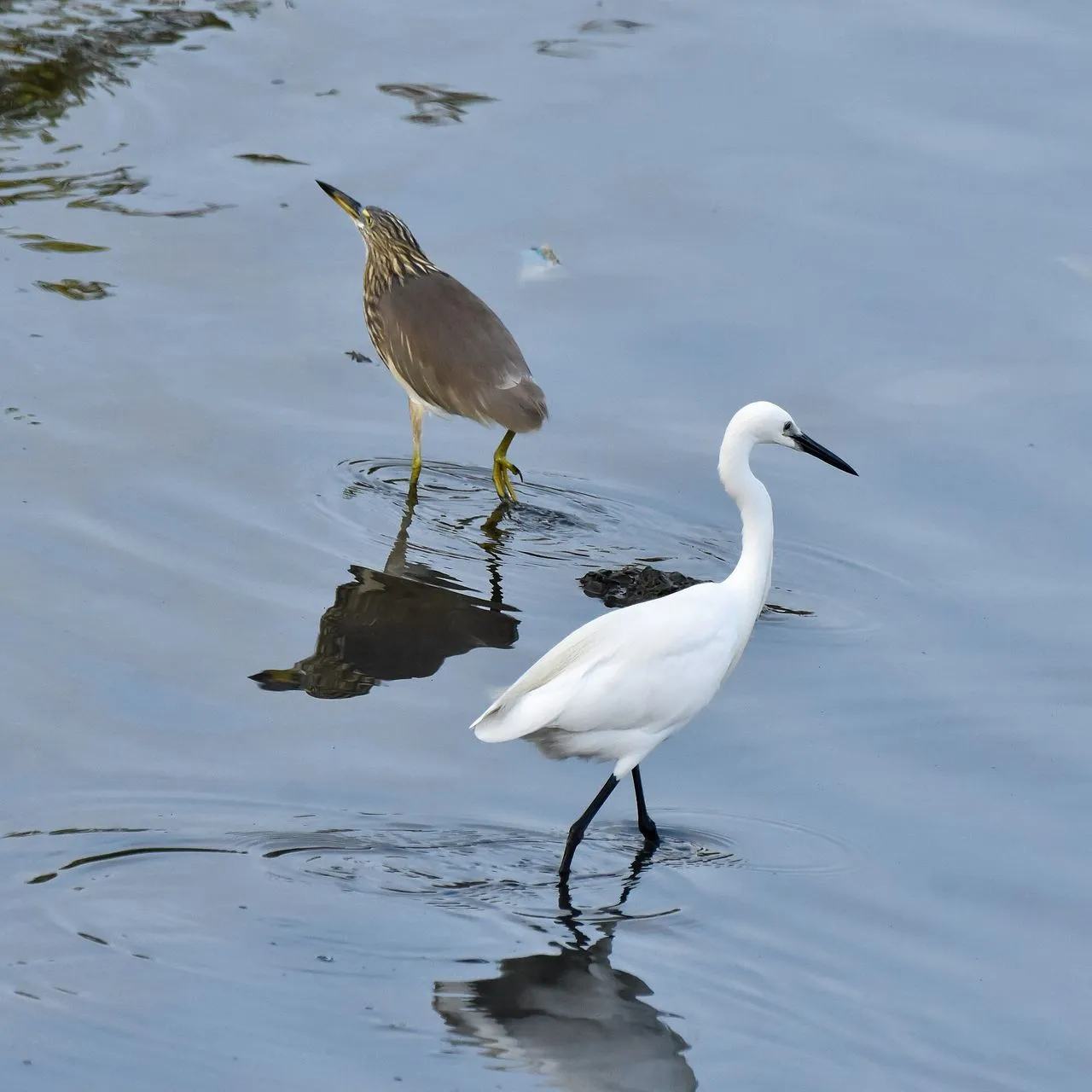
The Complete Waders & Herons Guide: Identification, Feeding & Habitat
Field reference to North American waders: herons, egrets, bitterns, ibises, spoonbills, identification, feeding, and terminology.
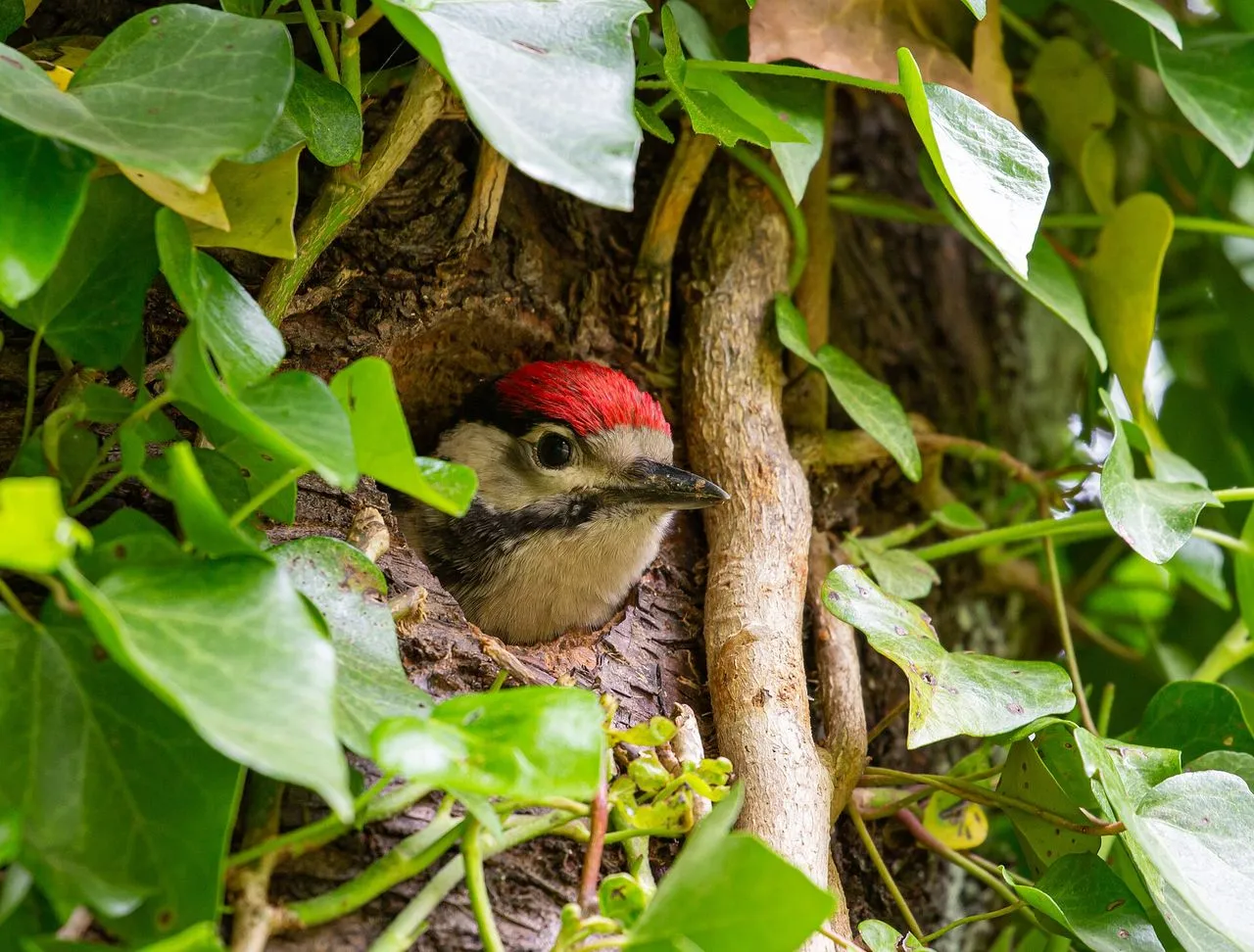
The Complete Woodpeckers Guide: Identification, Drumming & Suet Feeders
Field reference to Picidae: identification by drum pattern, zygodactyl feet, suet feeders, dead wood, and common garden woodpeckers.

The Complete Guide to Attracting Birds to Your Garden
Cross-species garden bird reference covering feeders, water, native planting, nest boxes, cover, and habits that make birds stay.
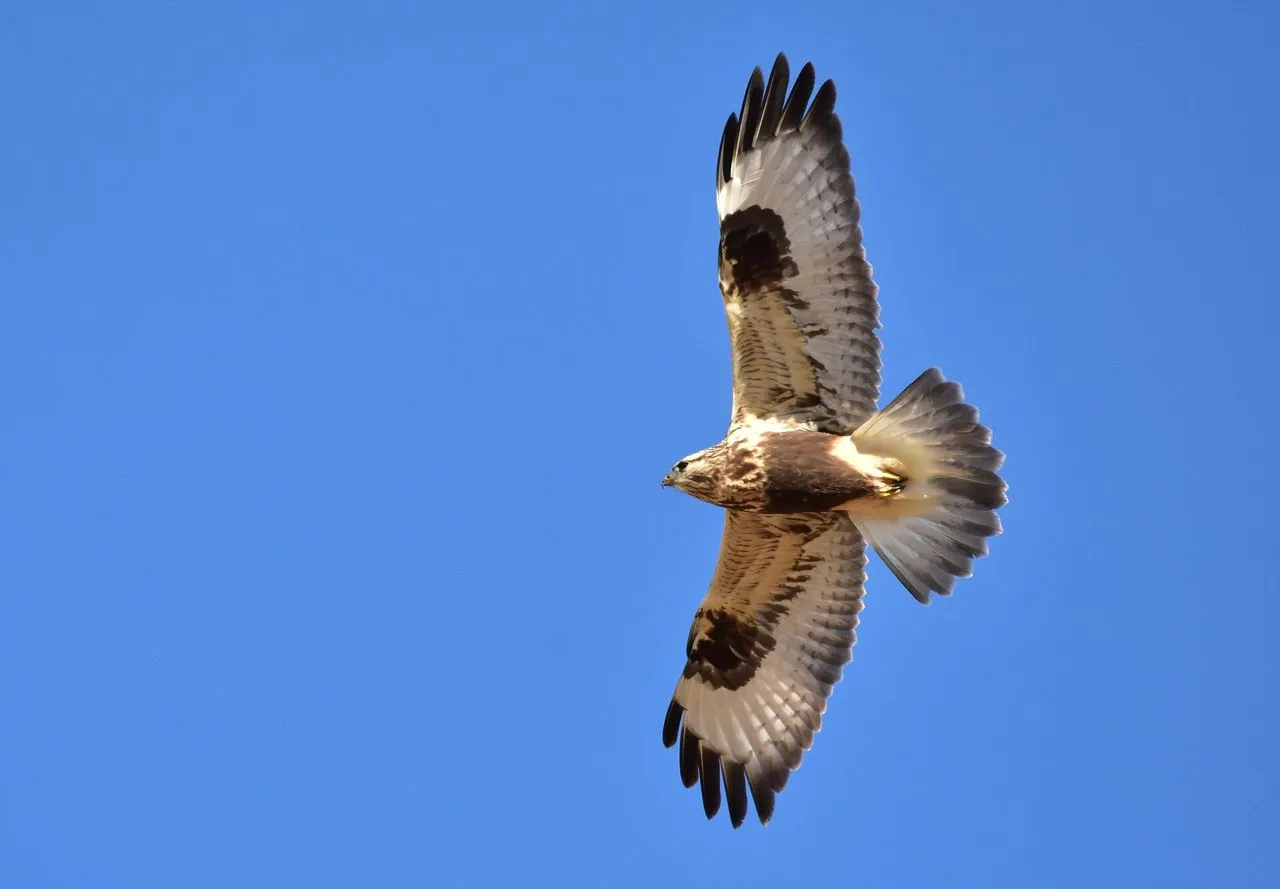
The Complete Raptors Guide: Hawks, Falcons, Eagles & Kites
Field reference to diurnal raptors: silhouette, flight style, hunting behaviour, taxonomy, and how to read a bird against the sky.
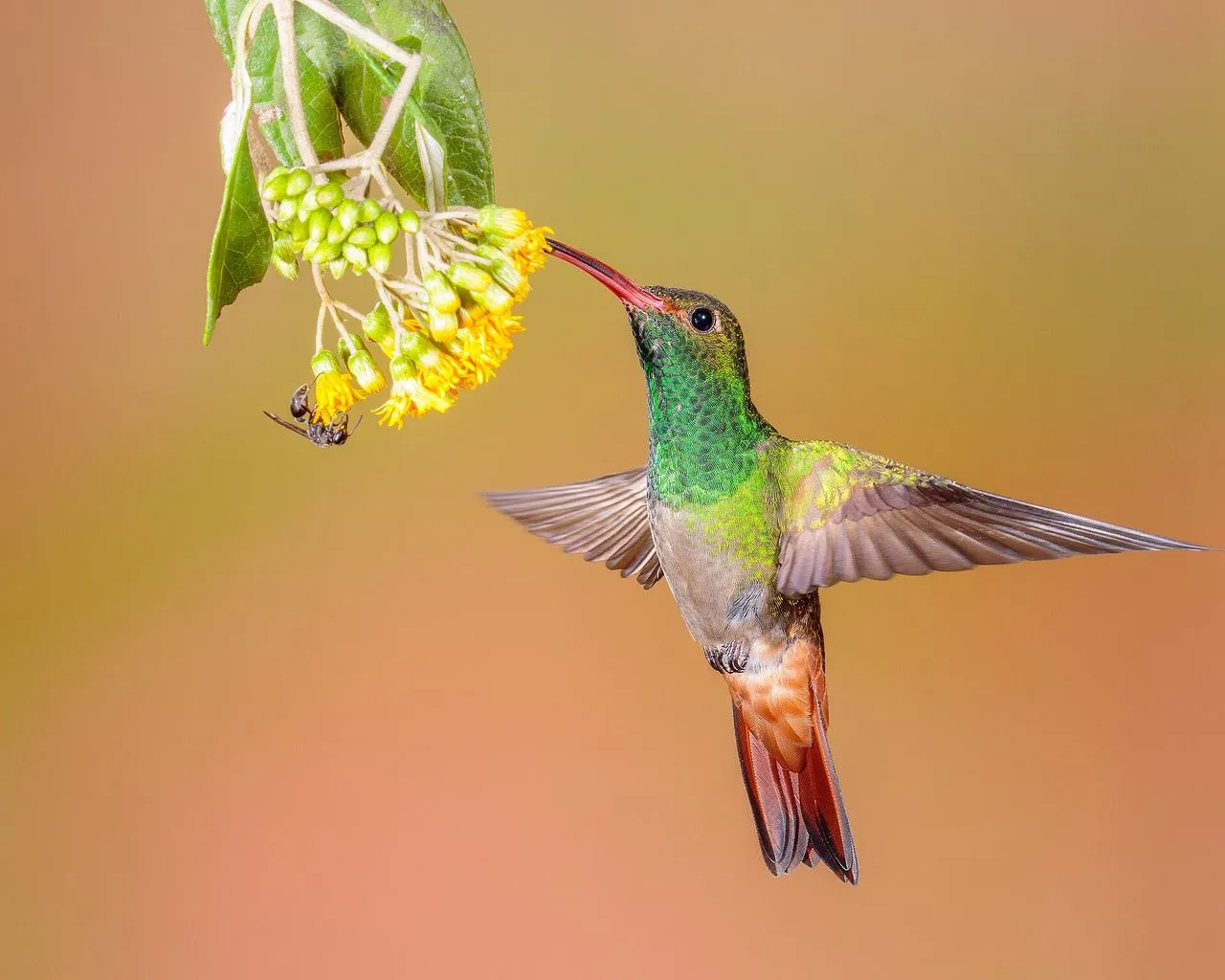
The Complete Hummingbirds Guide: Identification, Feeders & Sugar Solution
Field reference to Trochilidae: New World range, ID structure, correct sugar-water recipe, feeder hygiene, and common species by region.
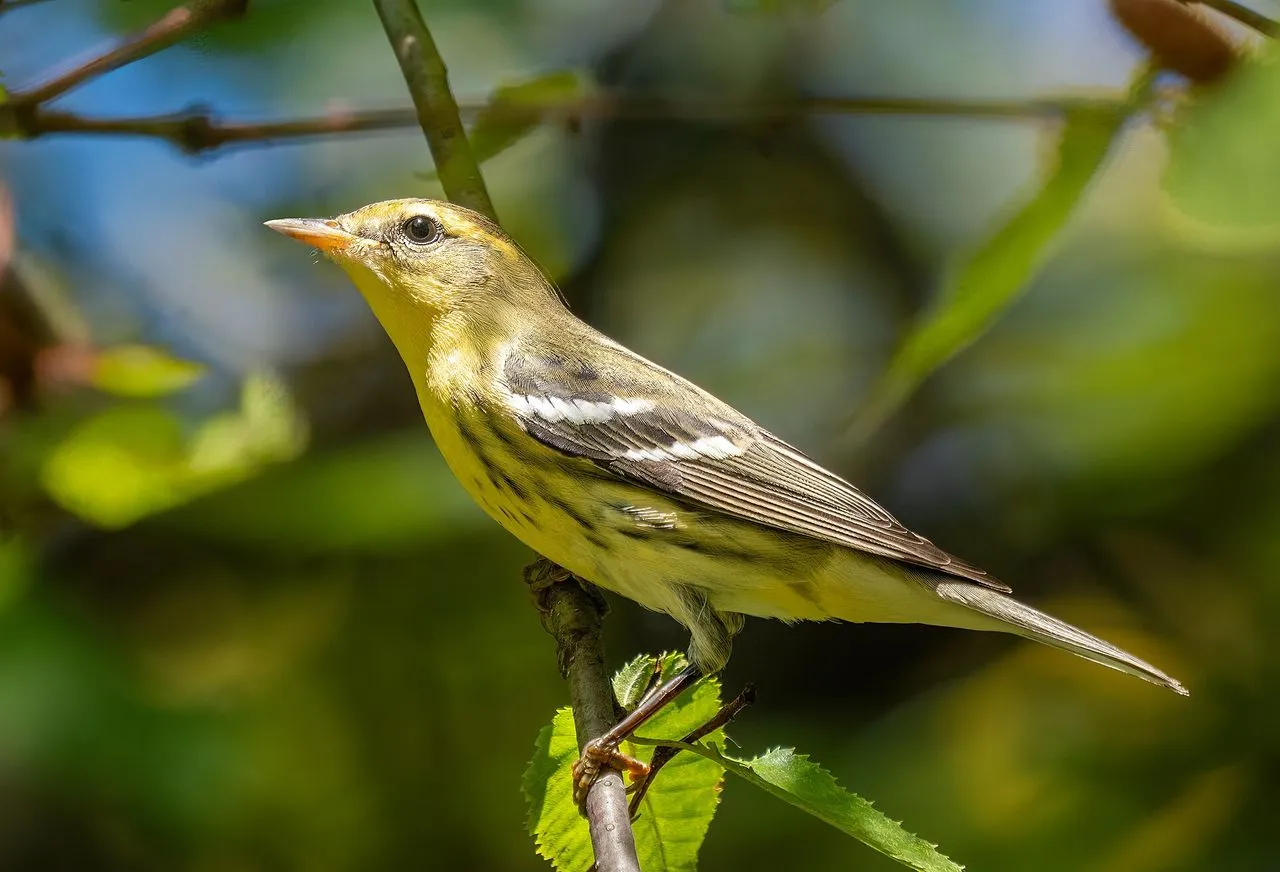
The Complete Warblers Guide: New World vs Old World, Identification & Migration
Field reference to New World and Old World warblers: taxonomy, identification, song, migration, habitat, and how to find them.