Family Reference
Waders & Herons
Long-legged shoreline and wetland birds — herons, egrets, ibises, and their close relatives.
The Complete Waders & Herons Guide: Identification, Feeding & Habitat
Field reference to North American waders: herons, egrets, bitterns, ibises, spoonbills, identification, feeding, and terminology.
Read the guide →Species & Profiles
All articles in this section
Wood Stork (Mycteria americana): The Tactile Feeder
Wood Stork (Mycteria americana), the only native North American stork. Field profile covering identification, tactile feeding behaviour, wetland ecology, and the threatened-to-stable recovery.
Snowy Egret vs Great Egret: Bill and Feet Decide It
Size, bill colour, and foot colour separate Snowy Egret from Great Egret. Two reliable marks resolve the white-egret ID in North American wetlands.
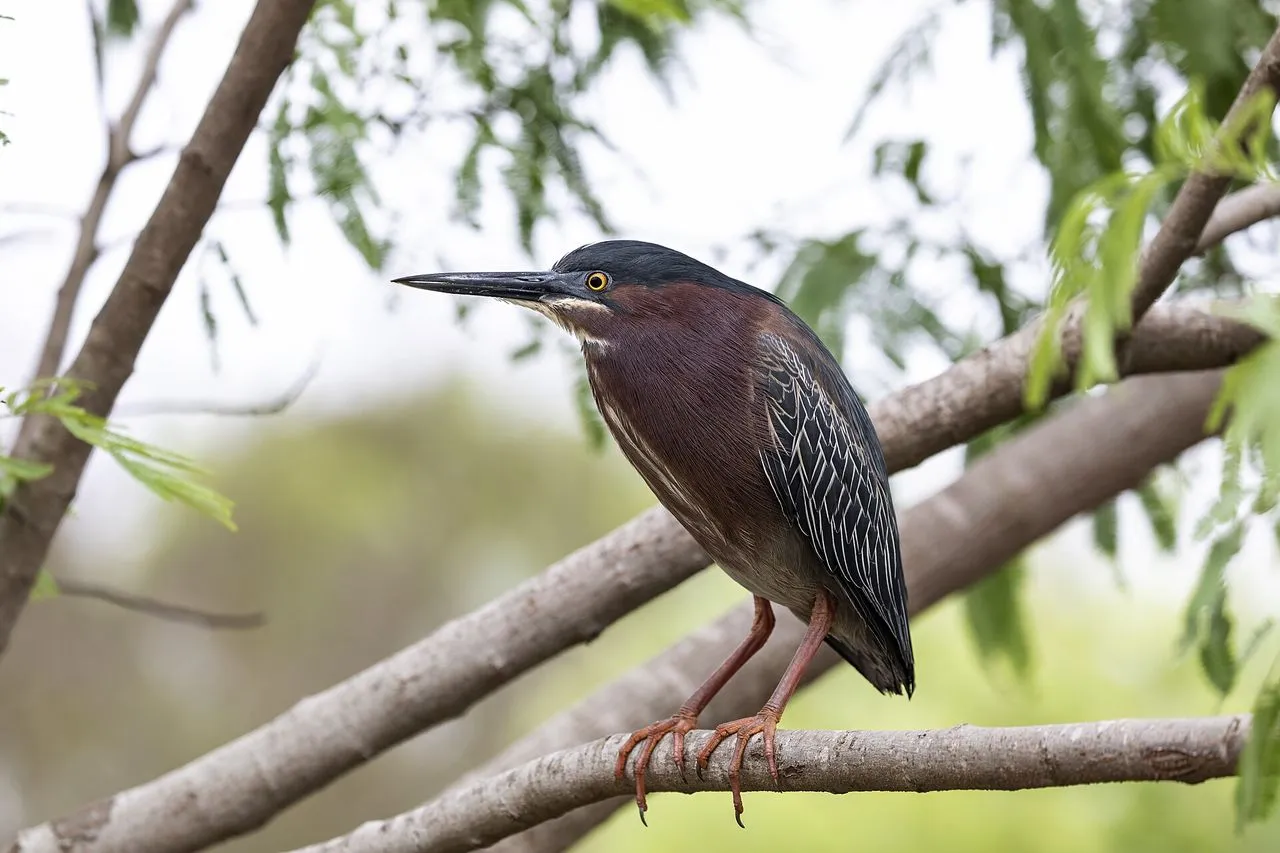
Green Heron (Butorides virescens): The Tool-using Backyard Heron
Field profile of Butorides virescens, the Green Heron: compact structure, bait-using behaviour, wooded wetland habitat, and backyard pond identification.
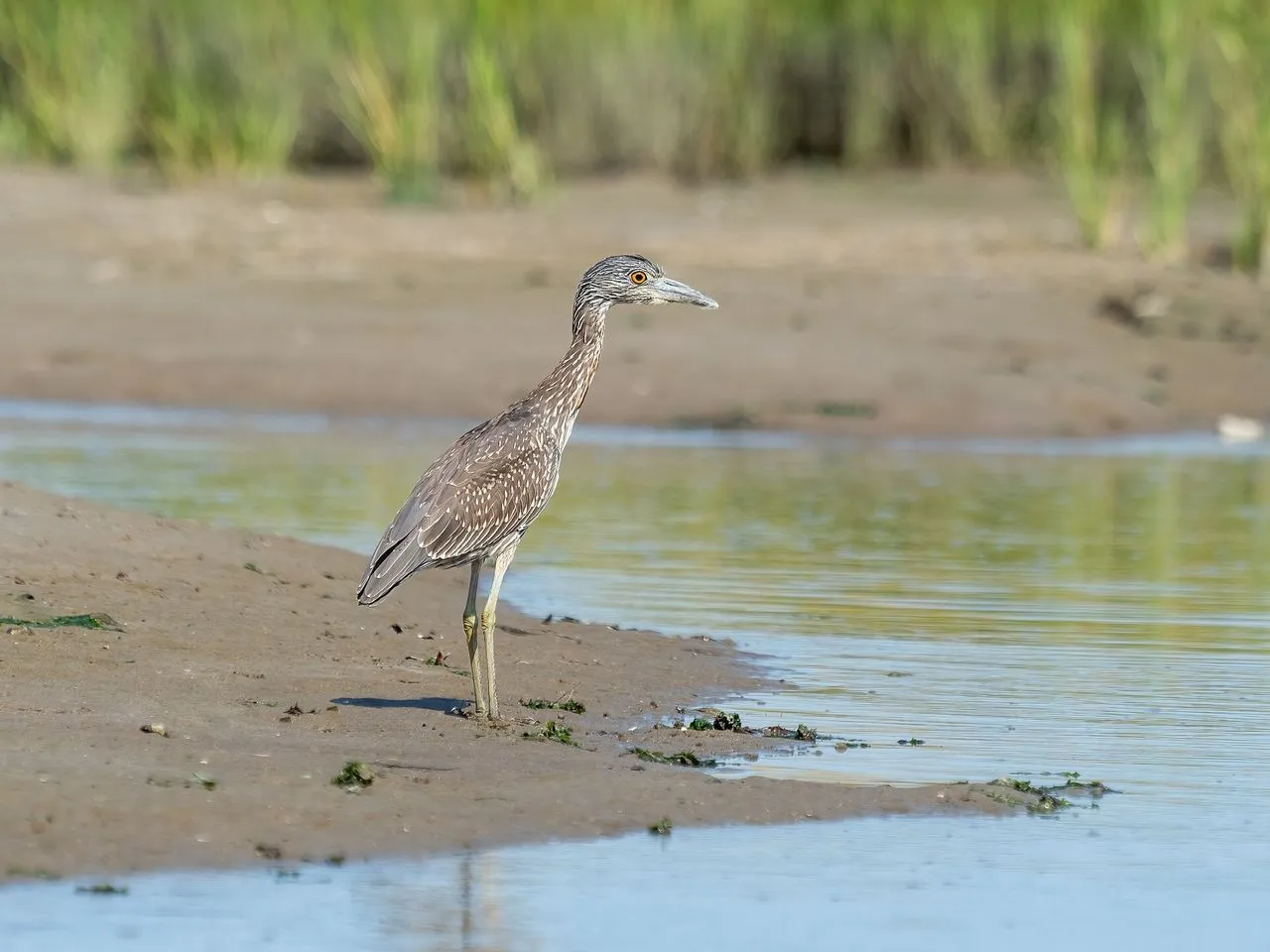
Yellow-crowned Night-Heron (Nyctanassa violacea): The Crab-specialist Night-heron
Field profile of Nyctanassa violacea, the Yellow-crowned Night-Heron: crab-specialist diet, striped face, juvenile identification, and coastal nesting.
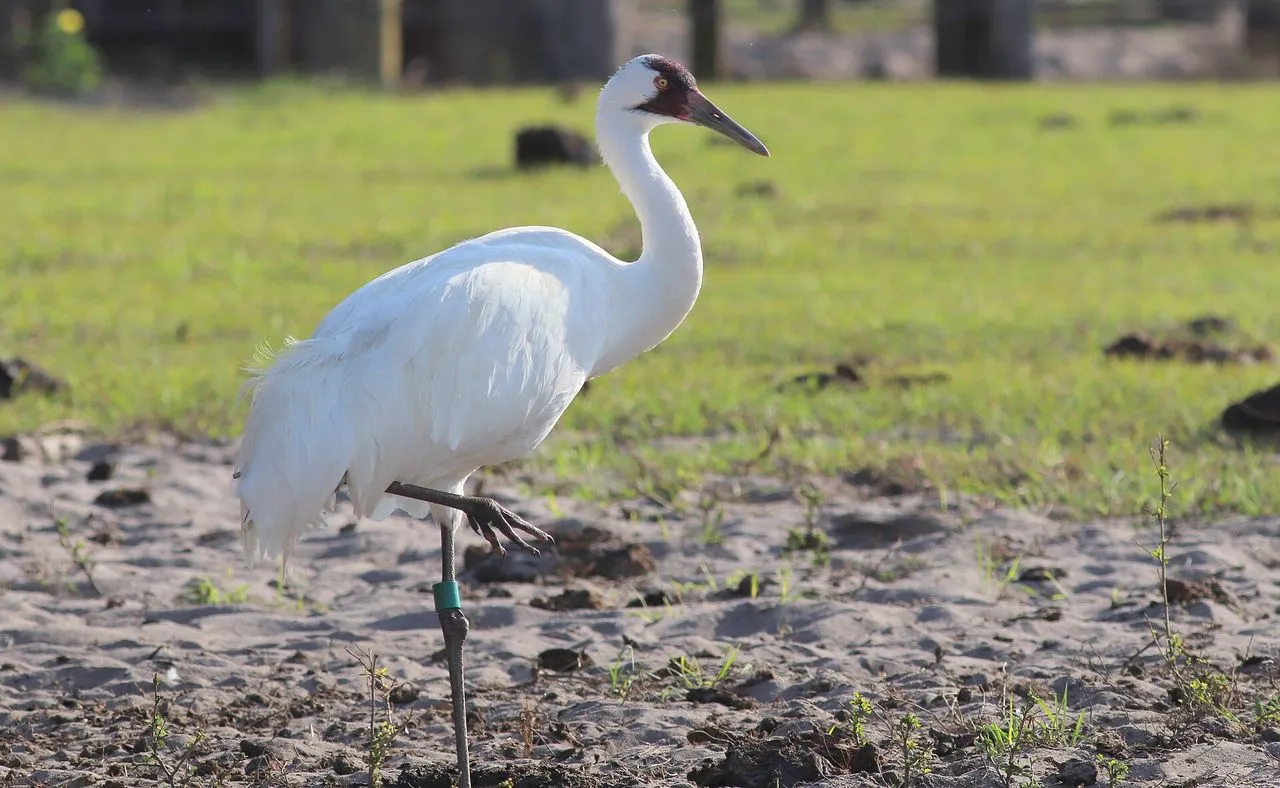
Whooping Crane (Grus americana): A Conservation Recovery in Progress
Field profile of Grus americana, the Whooping Crane: endangered status, white plumage, black wingtips, wetland nesting, migration, and recovery history.
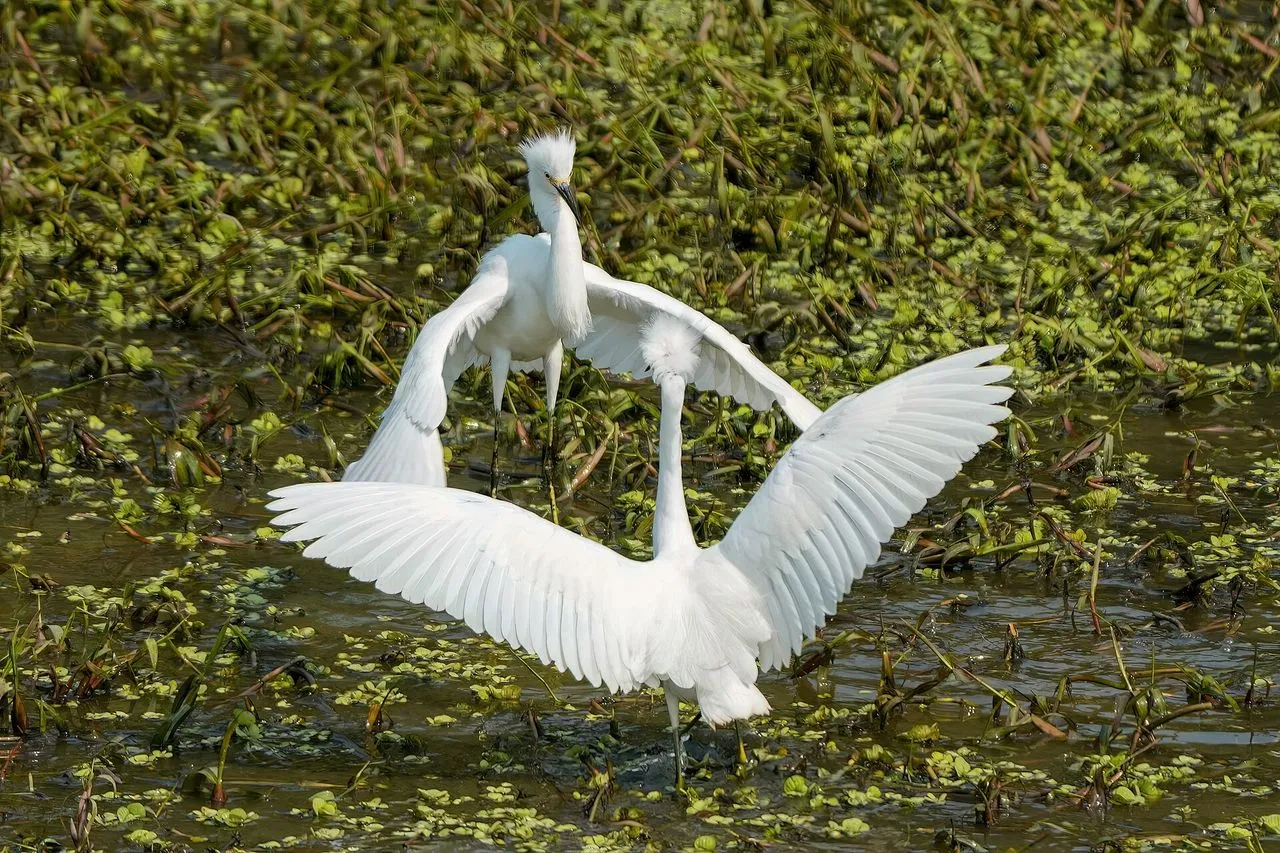
Snowy Egret (Egretta thula): Identification & The Plume-Trade Recovery
Field profile of Egretta thula, the Snowy Egret: golden feet, foot-stirring, aigrettes, and plume-trade conservation history.
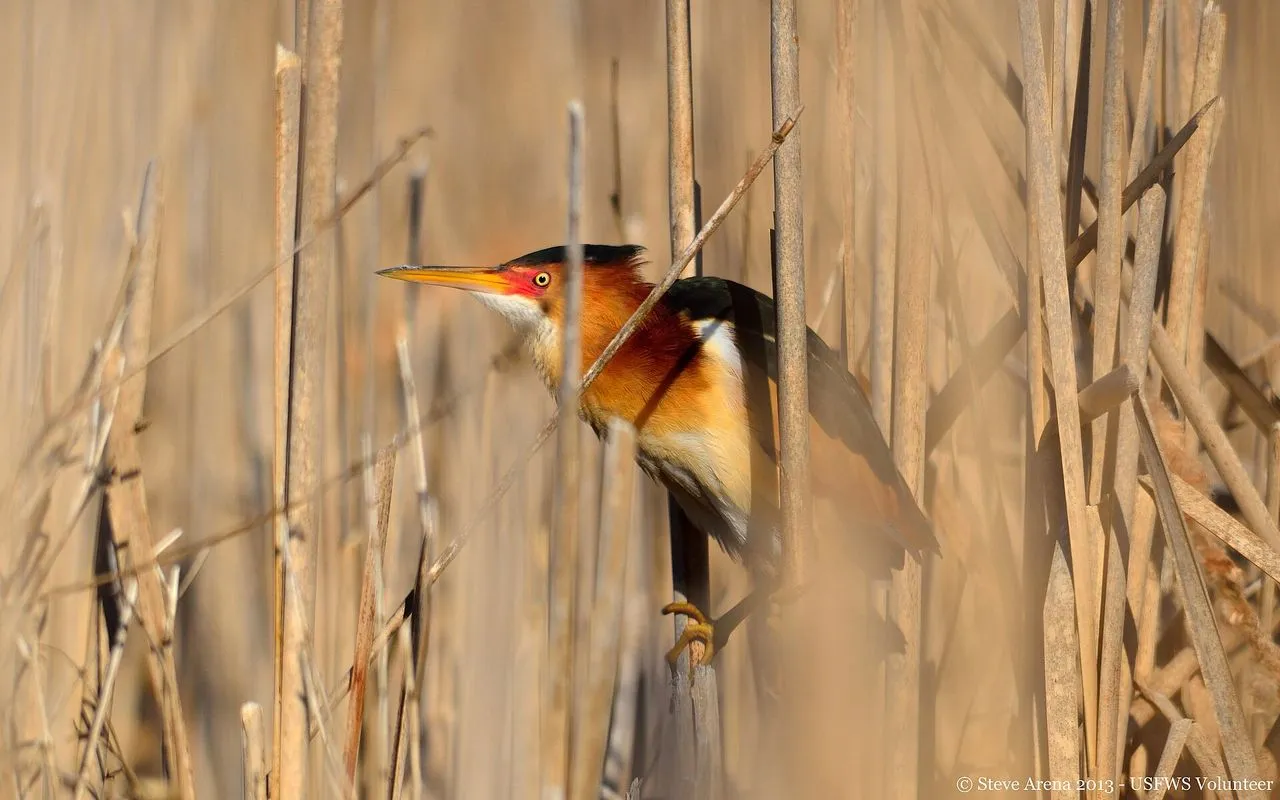
Least Bittern (Ixobrychus exilis): The Smallest Heron in the Americas
Field profile of Ixobrychus exilis, the Least Bittern: tiny reed-climbing heron, sexual dimorphism, marsh calls, ambush feeding, and hidden nesting.
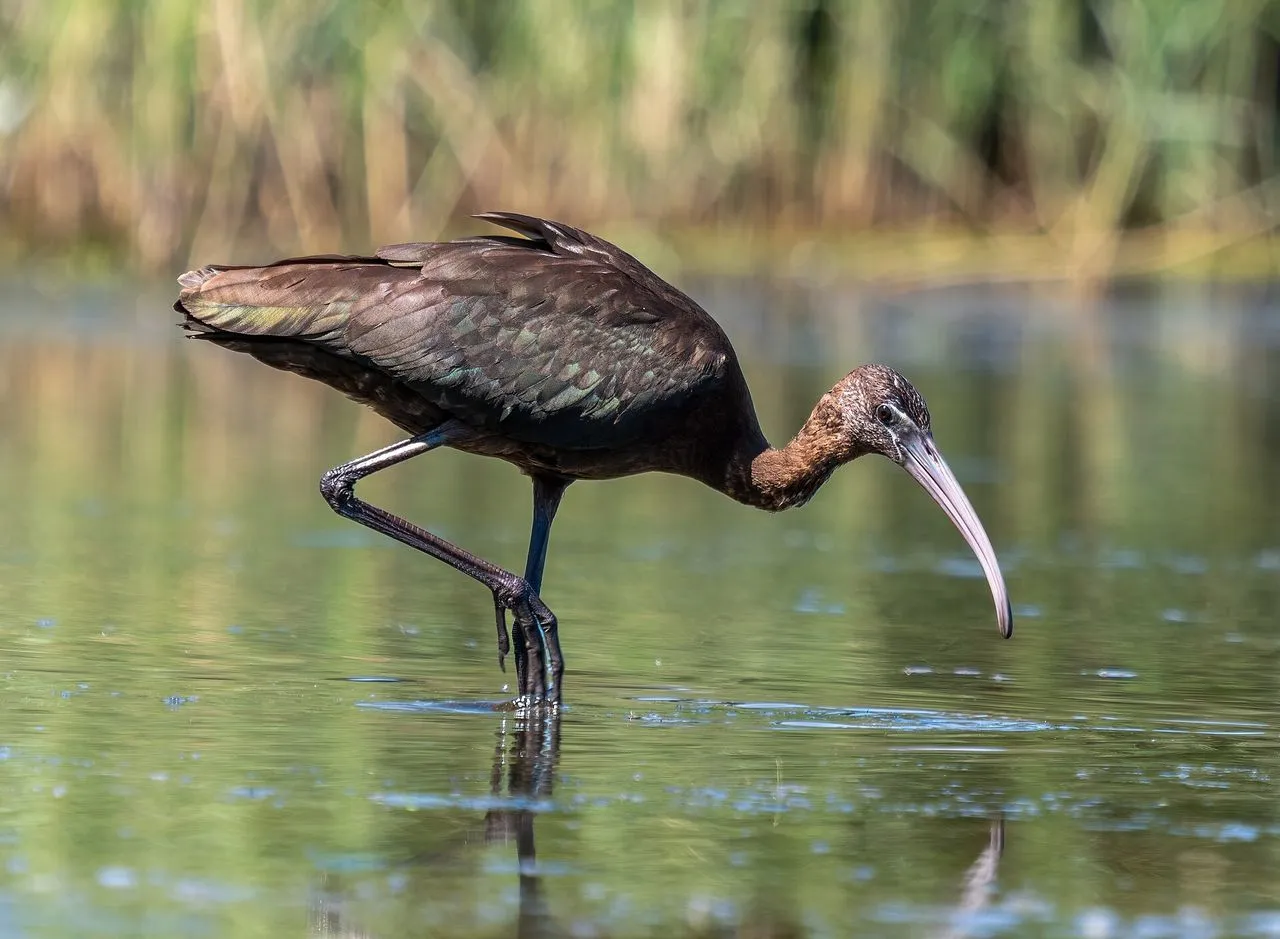
Glossy Ibis (Plegadis falcinellus): The Cosmopolitan Dark Ibis
Field profile of Plegadis falcinellus, the Glossy Ibis: dark iridescent plumage, decurved bill, tactile probing, range expansion, and colony nesting.
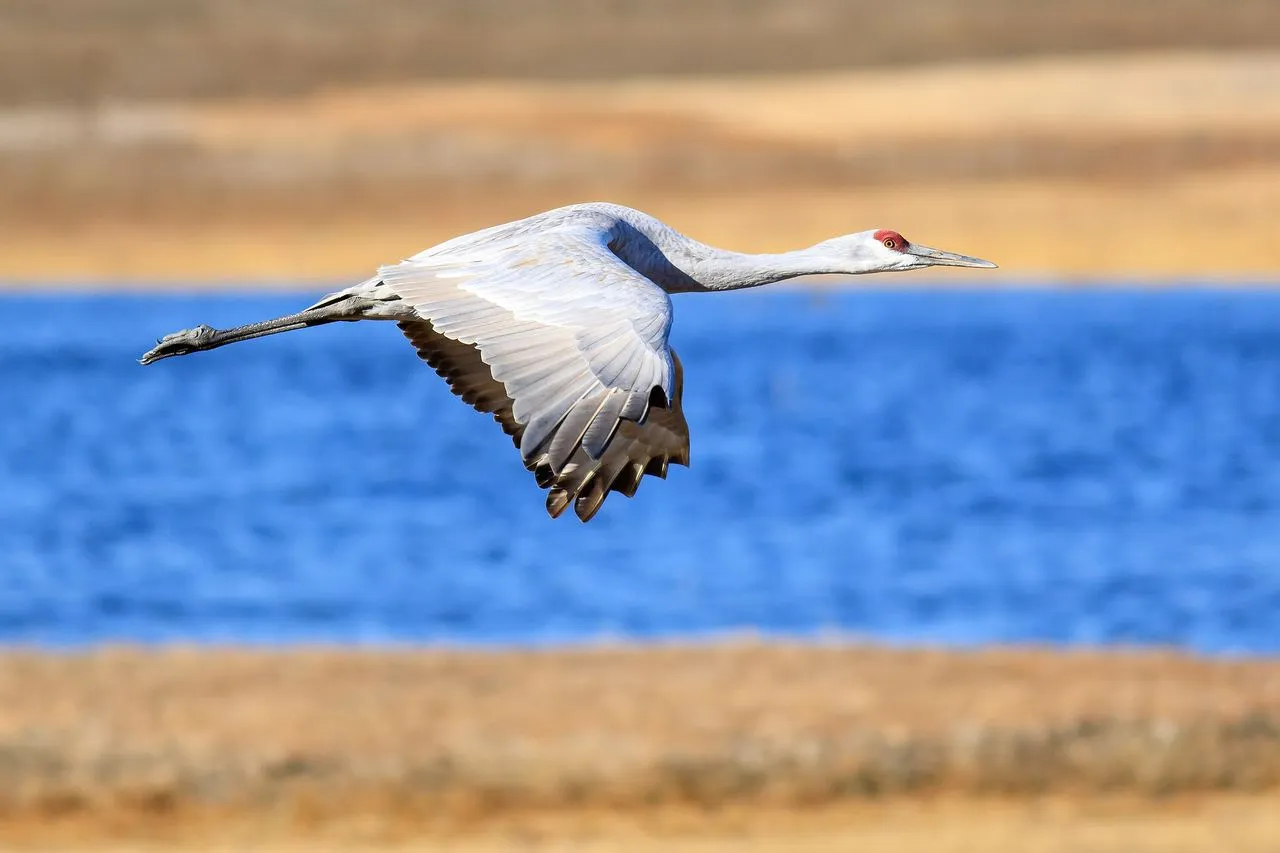
Sandhill Crane (Antigone canadensis): The Continent's Most Numerous Crane
Field profile of Antigone canadensis, the Sandhill Crane: grey plumage, red crown, bugling calls, Platte River staging, dancing, migration, and wetland nesting.
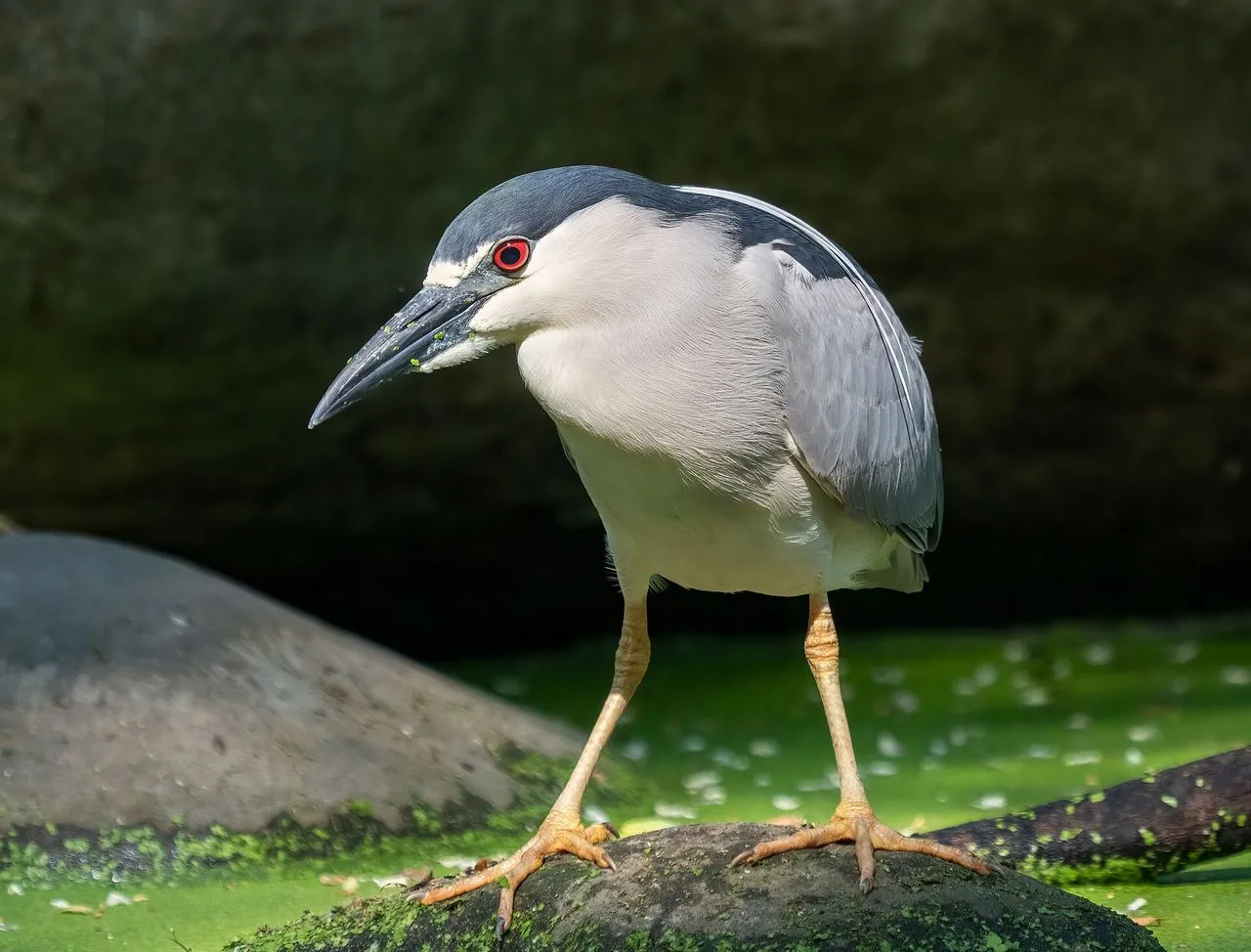
Black-crowned Night-Heron (Nycticorax nycticorax): The Compact Crepuscular Heron
Field profile of Nycticorax nycticorax, the Black-crowned Night-Heron: stocky shape, red eyes, dusk feeding, juvenile streaking, and urban heronries.
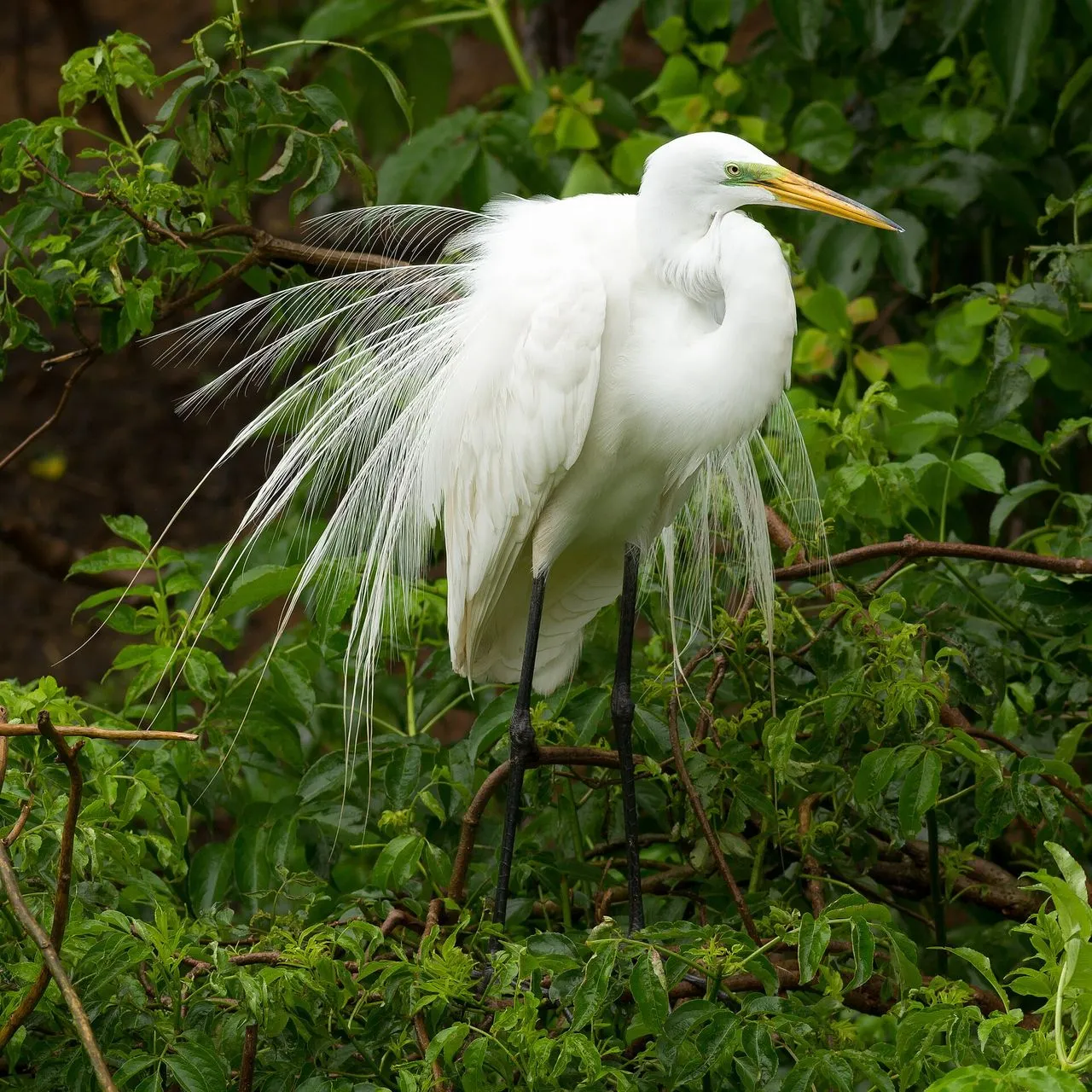
Great Egret (Ardea alba): The Tall, White Wading Bird
Field profile of Ardea alba, the Great Egret: tall white structure, black legs, yellow bill, plume-trade history, still-hunting, and colonial nesting.
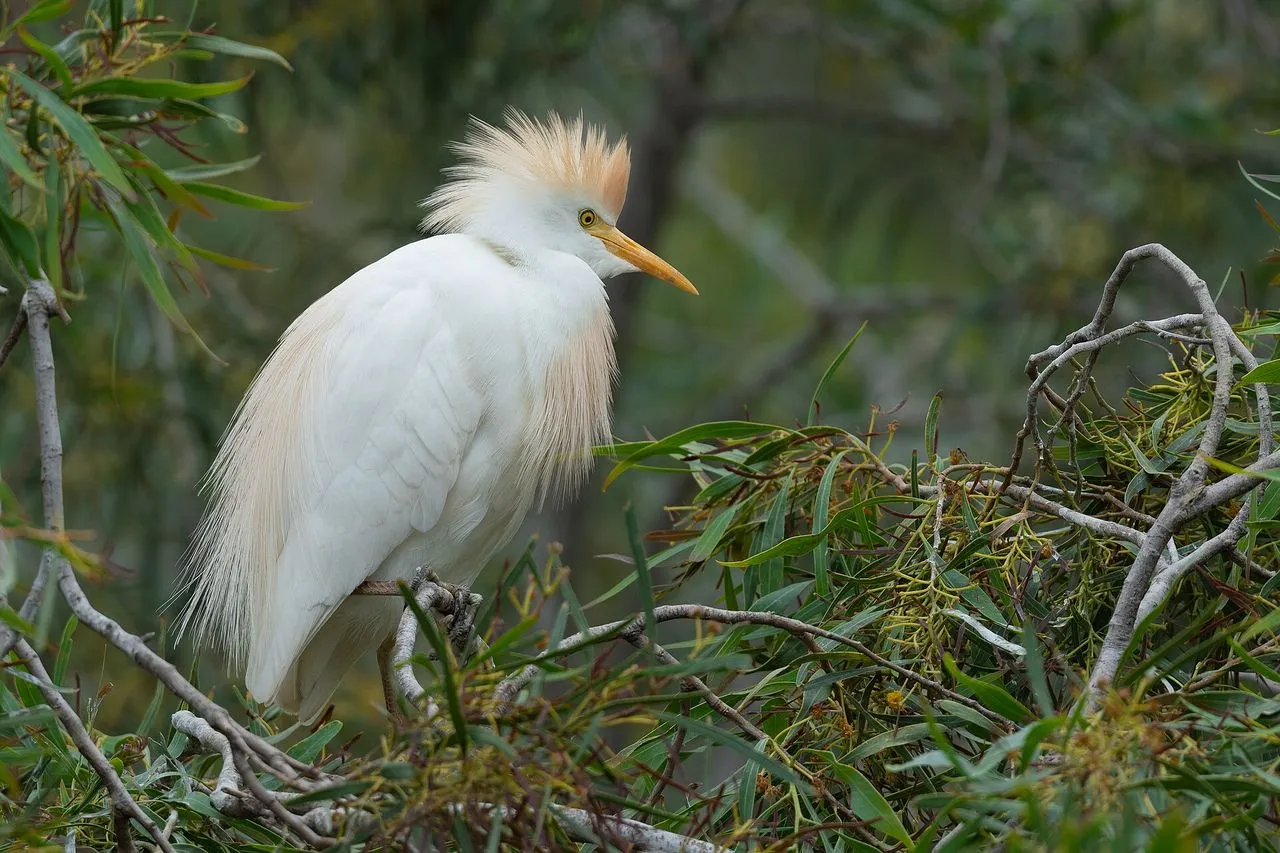
Cattle Egret (Bubulcus ibis): The Cosmopolitan Pasture Egret
Field profile of Bubulcus ibis, the Cattle Egret: trans-Atlantic colonisation, livestock-following foraging, buff breeding plumes, and global range expansion.
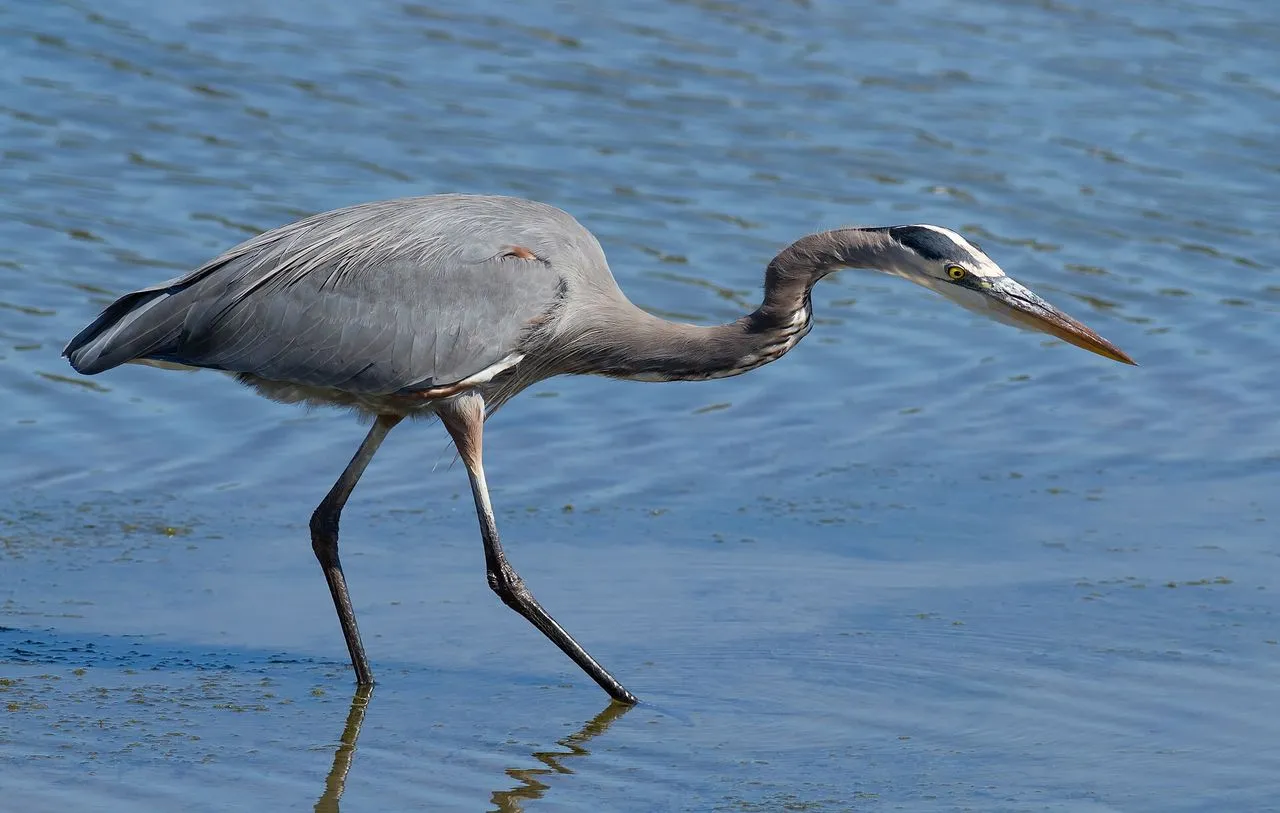
Great Blue Heron (Ardea herodias): Identification & Hunting Behaviour
Field profile of Ardea herodias, the Great Blue Heron: North America's largest heron, slow-stalk hunting, colonial heronries, and large prey.
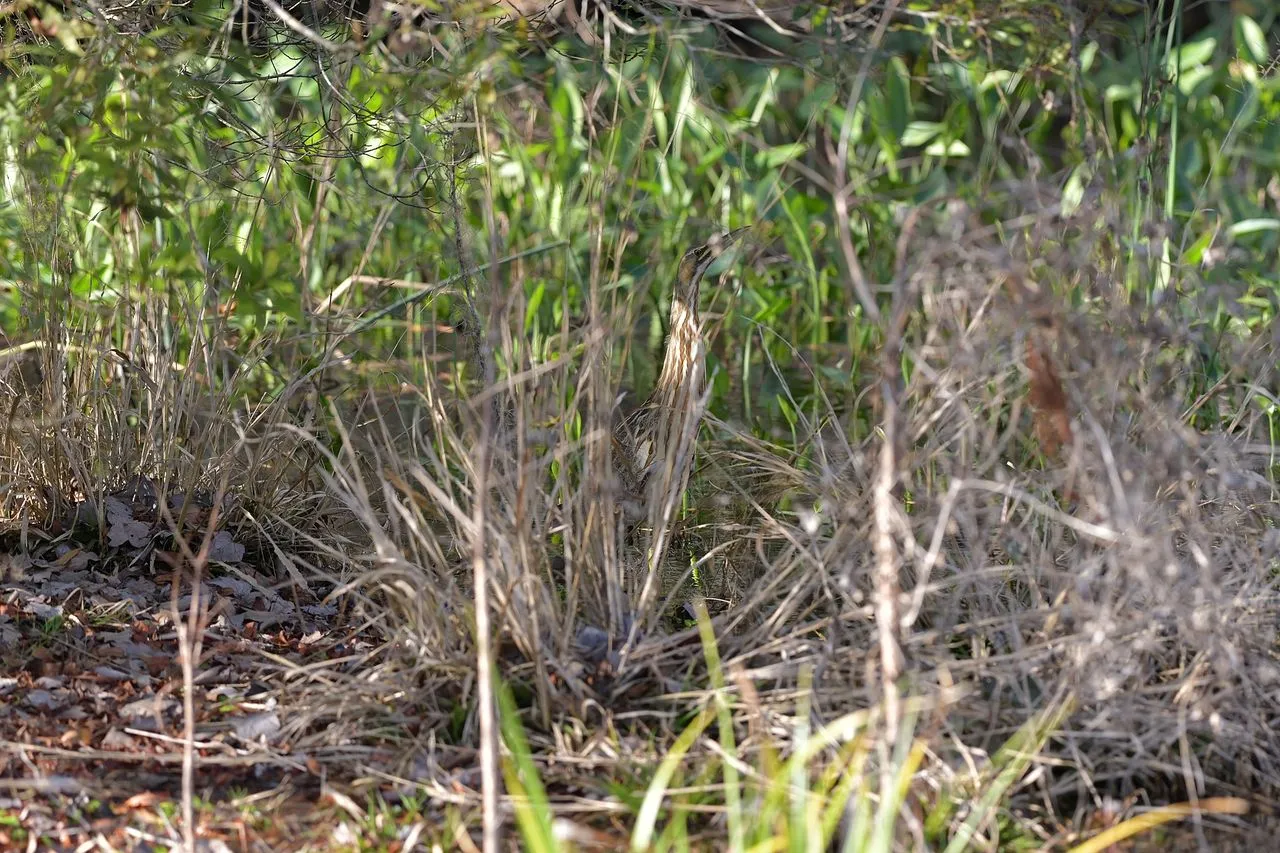
American Bittern (Botaurus lentiginosus): The Cryptic Marsh Heron
Field profile of Botaurus lentiginosus, the American Bittern: streaked reed mimicry, pumping call, marsh dependence, solitary nesting, and ambush foraging.
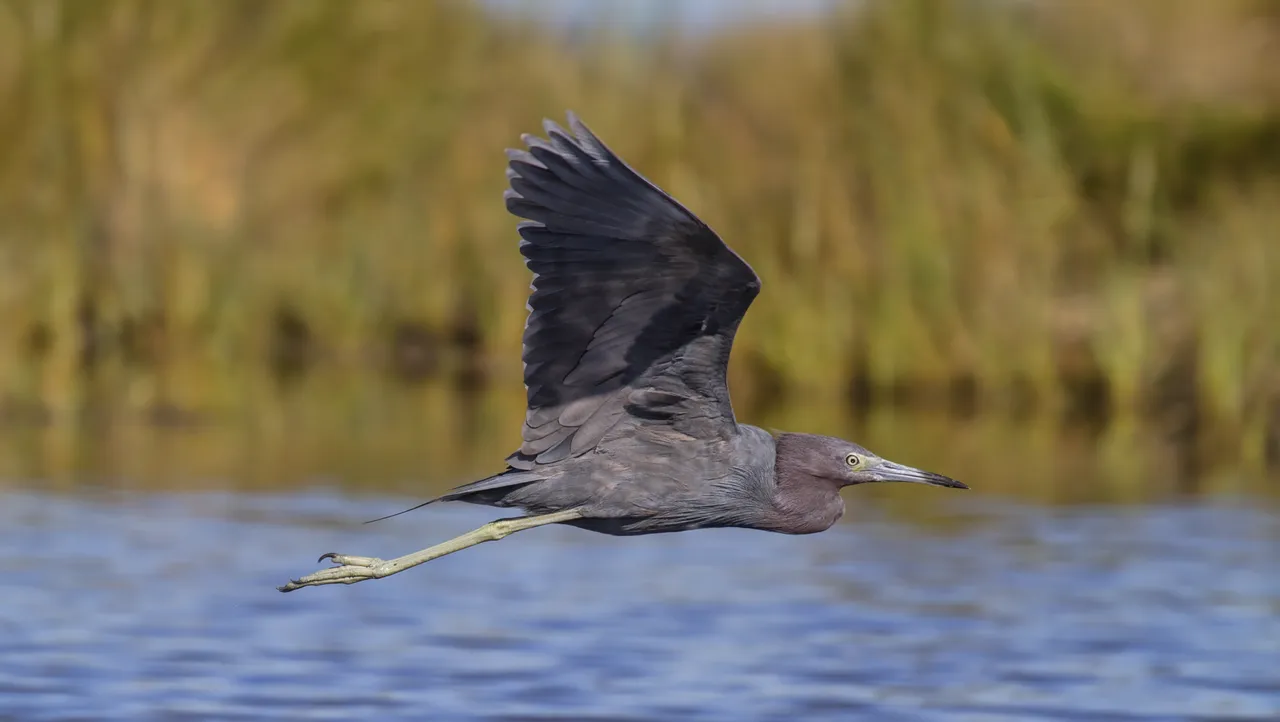
Little Blue Heron (Egretta caerulea): The Two-toned Egret
Field profile of Egretta caerulea, the Little Blue Heron: white juveniles, slate-blue adults, two-toned bills, shallow-wetland foraging, and colony nesting.
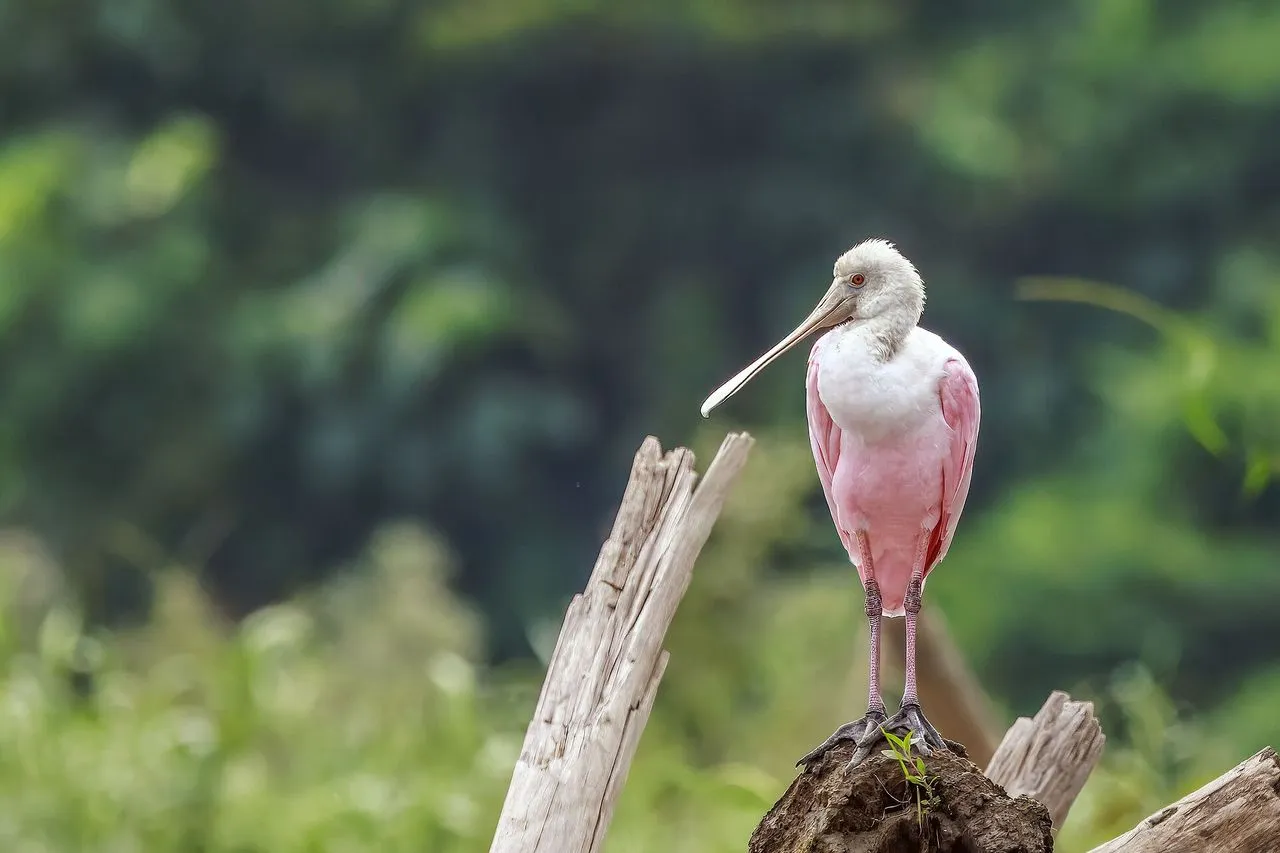
Roseate Spoonbill (Platalea ajaja): The Pink Filter-feeder of Coastal Marshes
Field profile of Platalea ajaja, the Roseate Spoonbill: carotenoid-derived pink plumage, spatulate bill, tactile sweeping, plume hunting, and recovery.
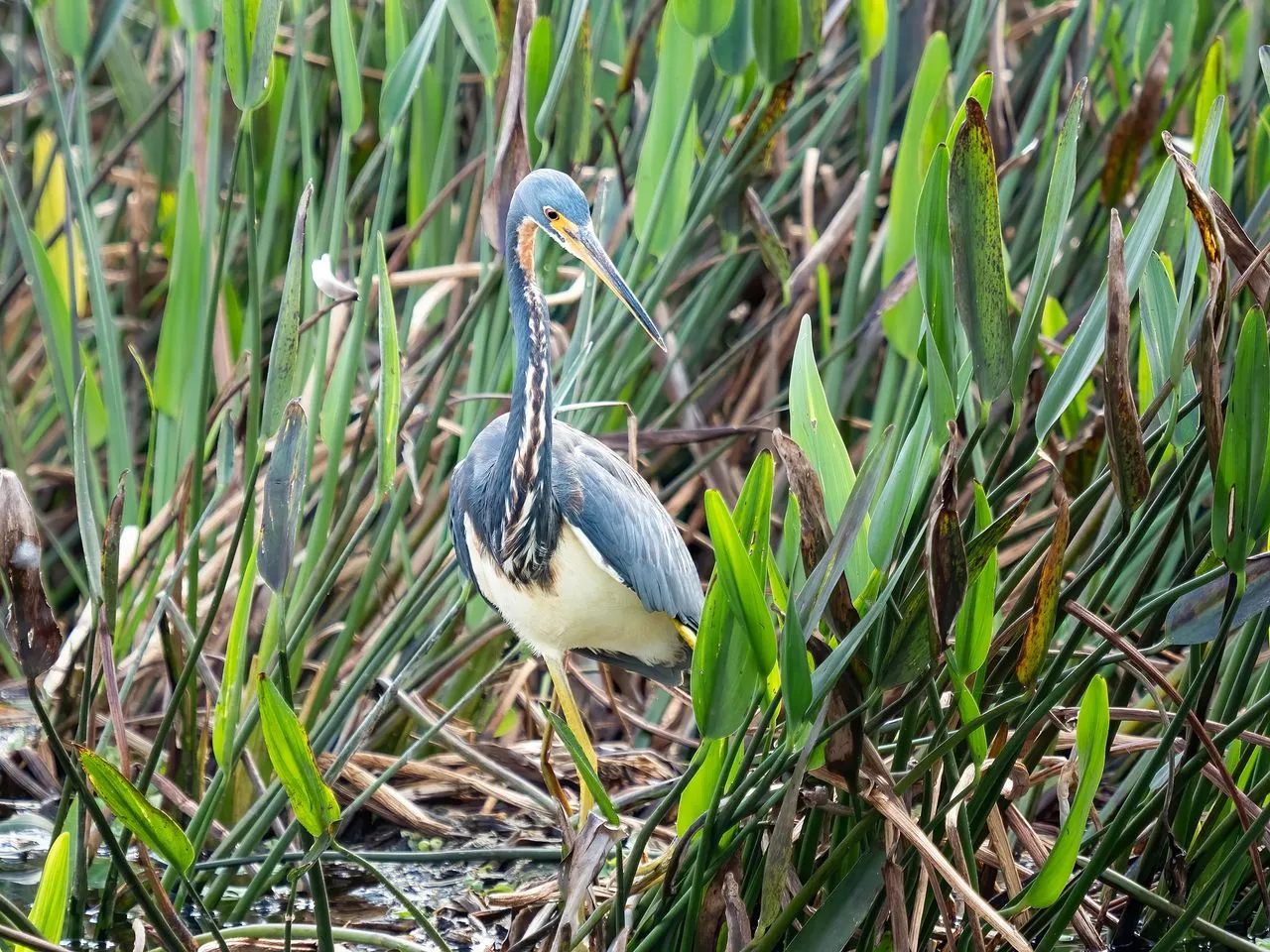
Tricolored Heron (Egretta tricolor): The Active-stalking Coastal Egret
Field profile of Egretta tricolor, the Tricolored Heron: white belly, blue-grey upperparts, active coastal foraging, and mixed-colony breeding biology.
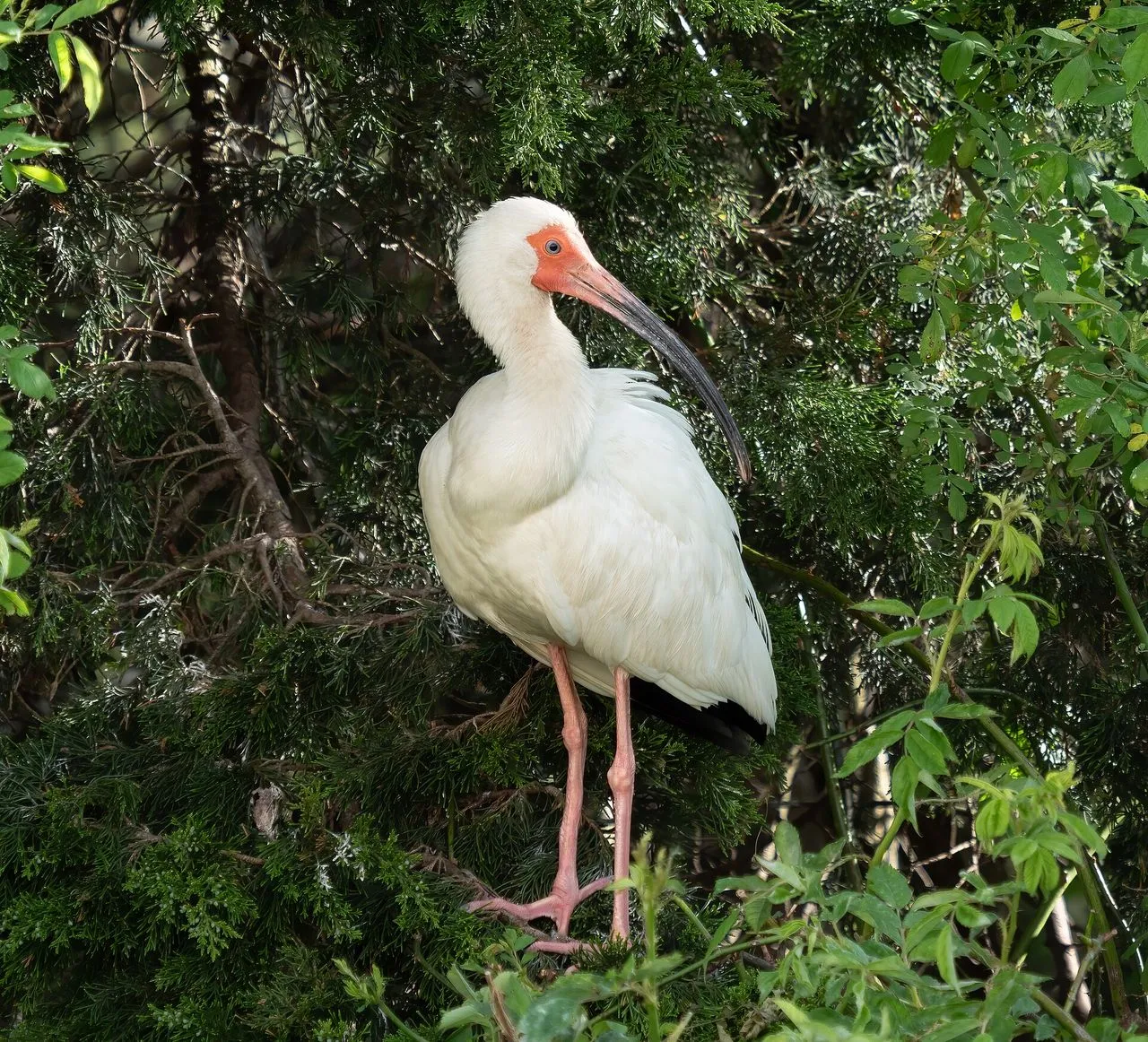
White Ibis (Eudocimus albus): The Decurved-bill Coastal Probe
Field profile of Eudocimus albus, the White Ibis: red decurved bill, brown juveniles, flock probing, crayfish and crab diet, and coastal colony nesting.