Family Reference
Owls
Strigidae and Tytonidae: nocturnal hunters in field, woodland, and increasingly the urban edge.
The Complete Owls Guide: Identification, Calls & Where to Find Them
Field reference to owls: silhouette identification, calls, hunting behaviour, pellets, and how to listen for owls at dusk.
Read the guide →Species & Profiles
All articles in this section
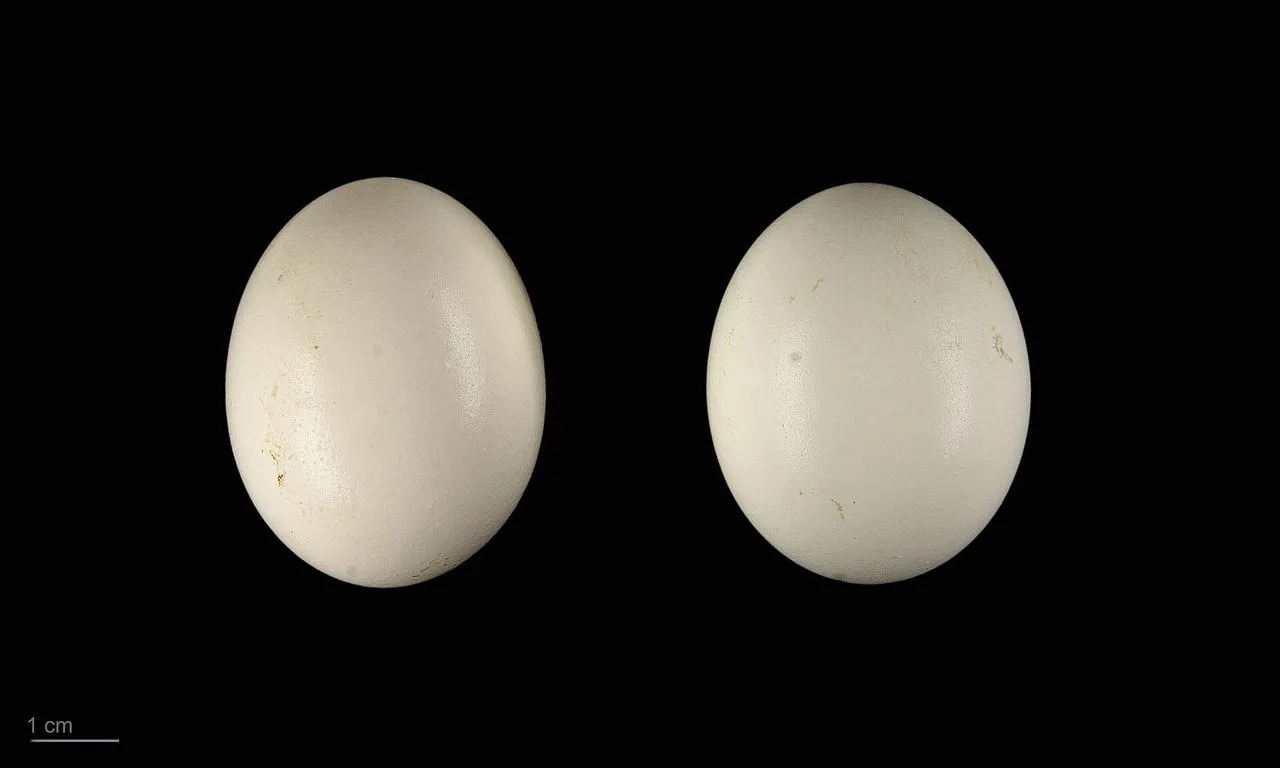
Eastern vs Western Screech-Owl: Bill Colour Decides It
Bill colour, voice, and range separate Eastern Screech-Owl from Western. The two species are nearly identical in size and shape; the diagnostic is in the bill and the call.

Great Horned Owl vs Barred Owl: The Nighttime ID
Ear tufts, eye colour, voice, and habitat separate Great Horned Owl from Barred Owl. The two most common large North American owls in side-by-side comparison.
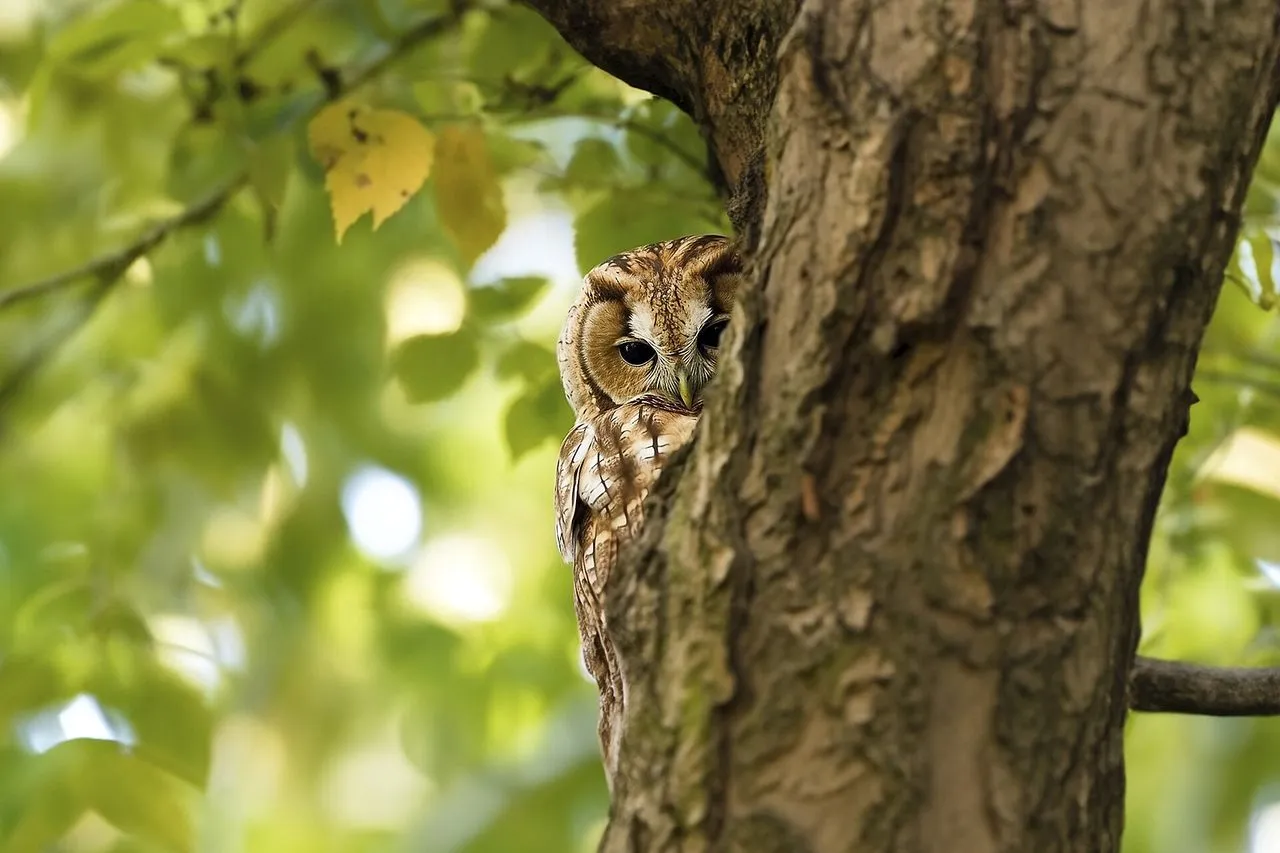
Why Is an Owl Calling at Night?
Why owls hoot and call at night: territory defense, courtship, juvenile begging, and alarm calls, plus how to recognize which owl species you are hearing.
Why Is an Owl in My Yard?
Why owls appear in yards: daytime roost sites, fledgling behaviour, diurnal species, how to read mobbing crows, when to call a wildlife rehabilitator, with a diagnostic table and species ID guide.
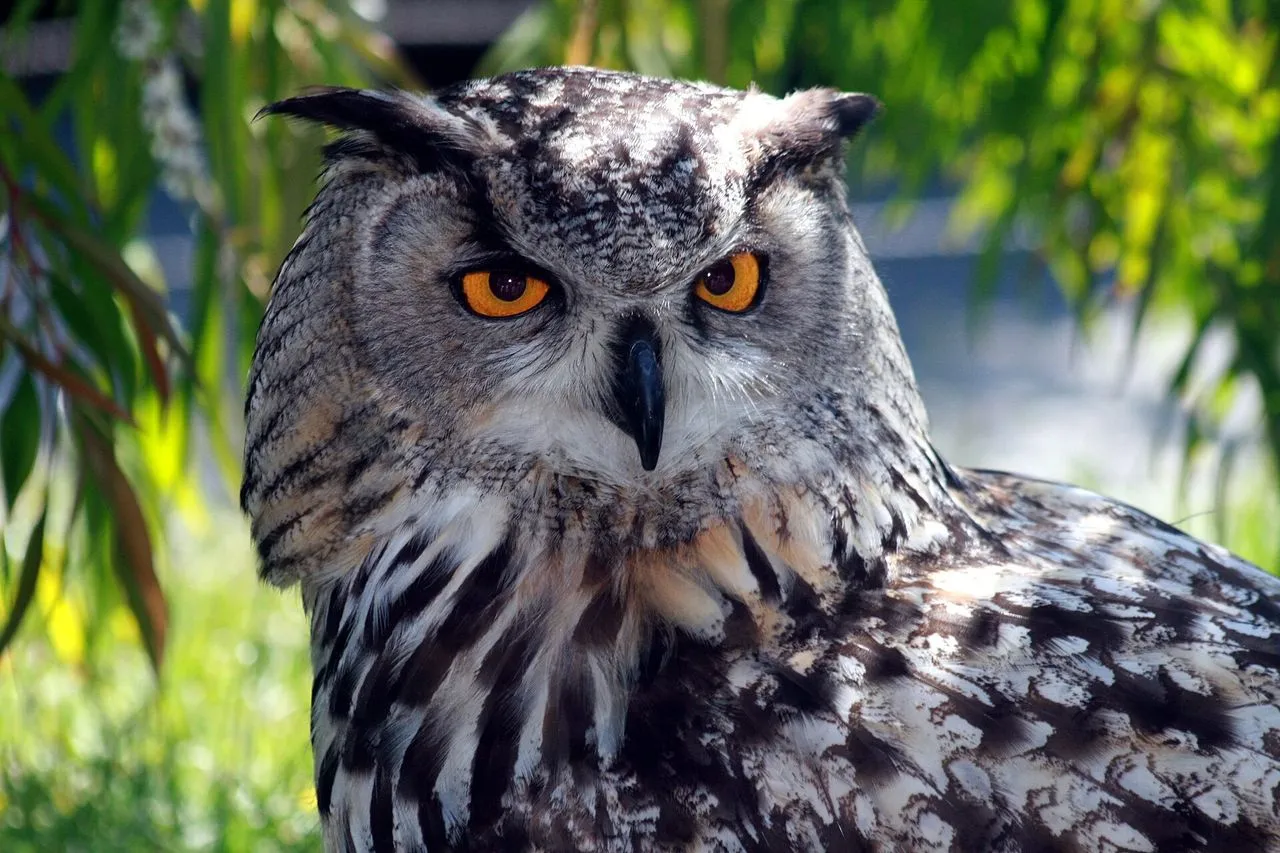
Eurasian Eagle-Owl (Bubo bubo): Europe's Largest Owl
Field profile of Bubo bubo: Europe's largest owl, orange eyes, massive ear tufts, cliff nesting, broad mammal and bird diet, and disputed British status.
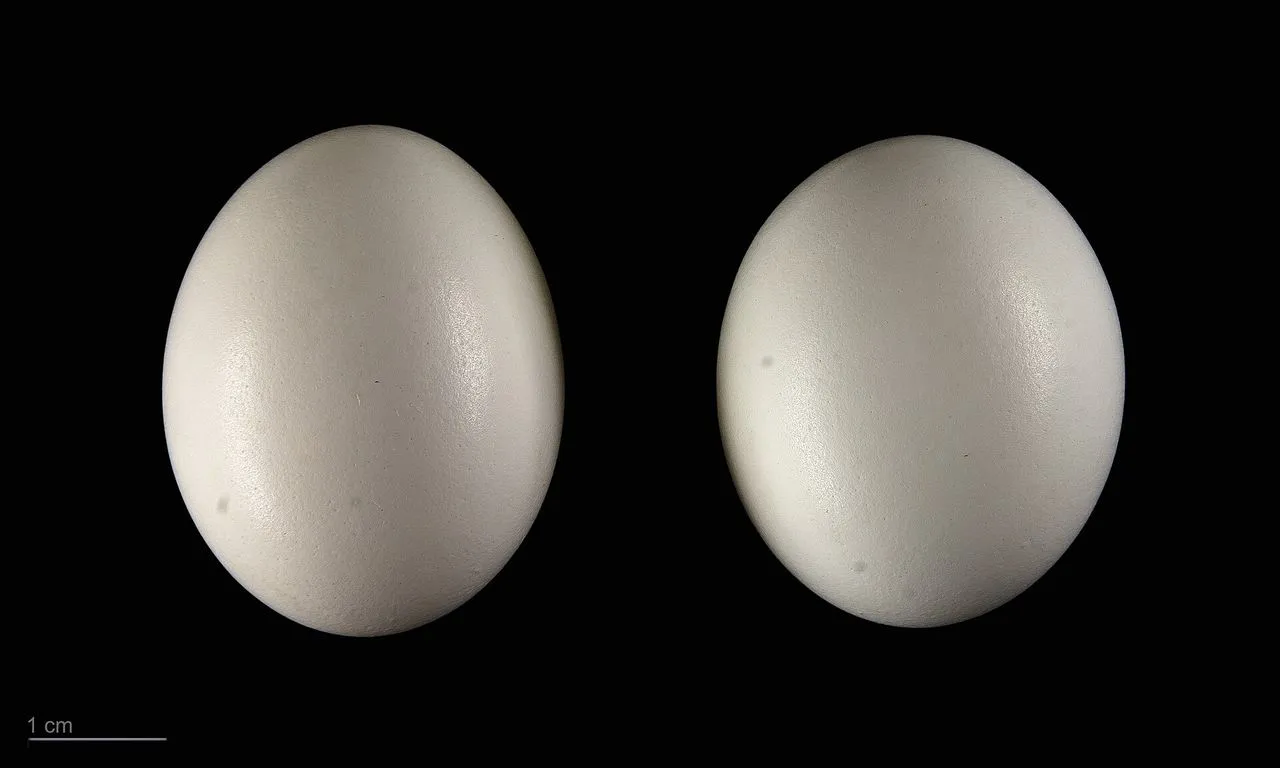
Boreal Owl (Aegolius funereus): The Cryptic Spruce-belt Owl
Field profile of Aegolius funereus: boreal spruce forest, asymmetric hearing, pooping song, cavity nesting, vole cycles, and difficult detection.
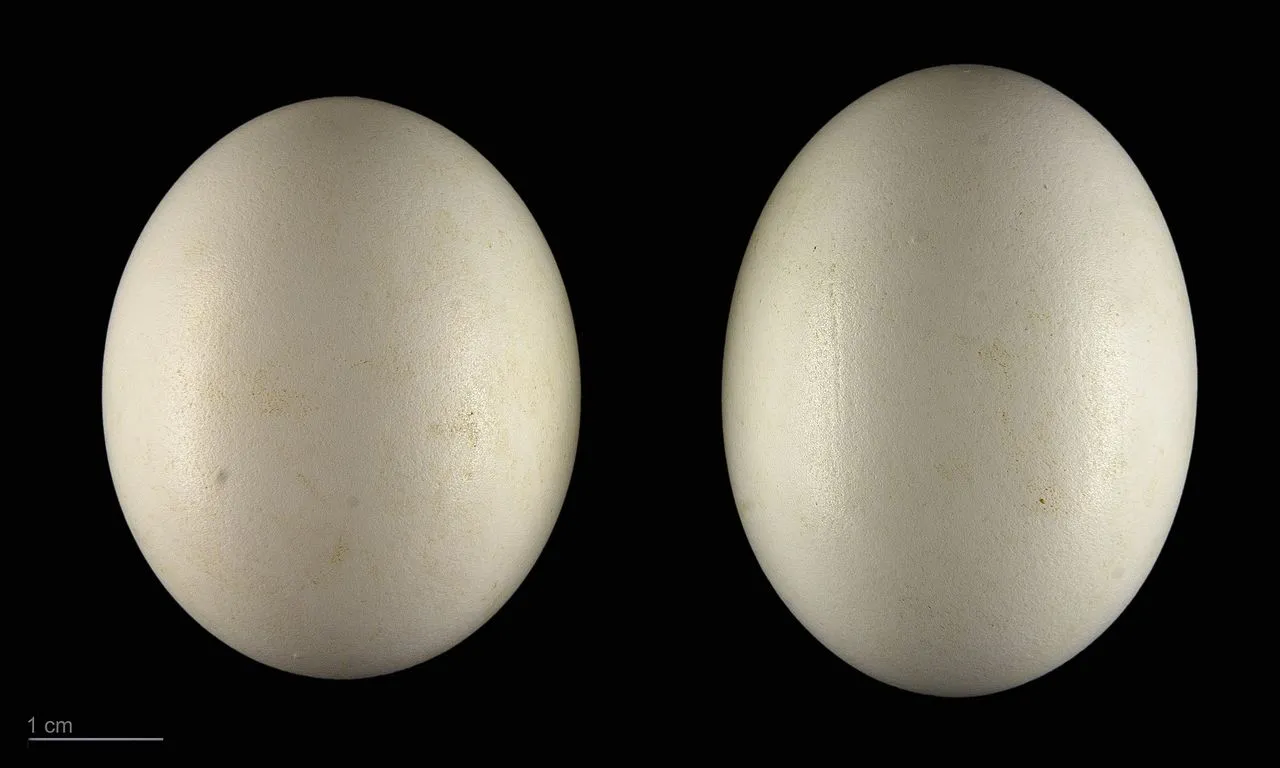
Long-eared Owl (Asio otus): Nocturnal Roost-tree Specialist
Field profile of Asio otus: orange eyes, long ear tufts, winter communal roosts, low hooting song, vole diet, and abandoned-stick-nest breeding.
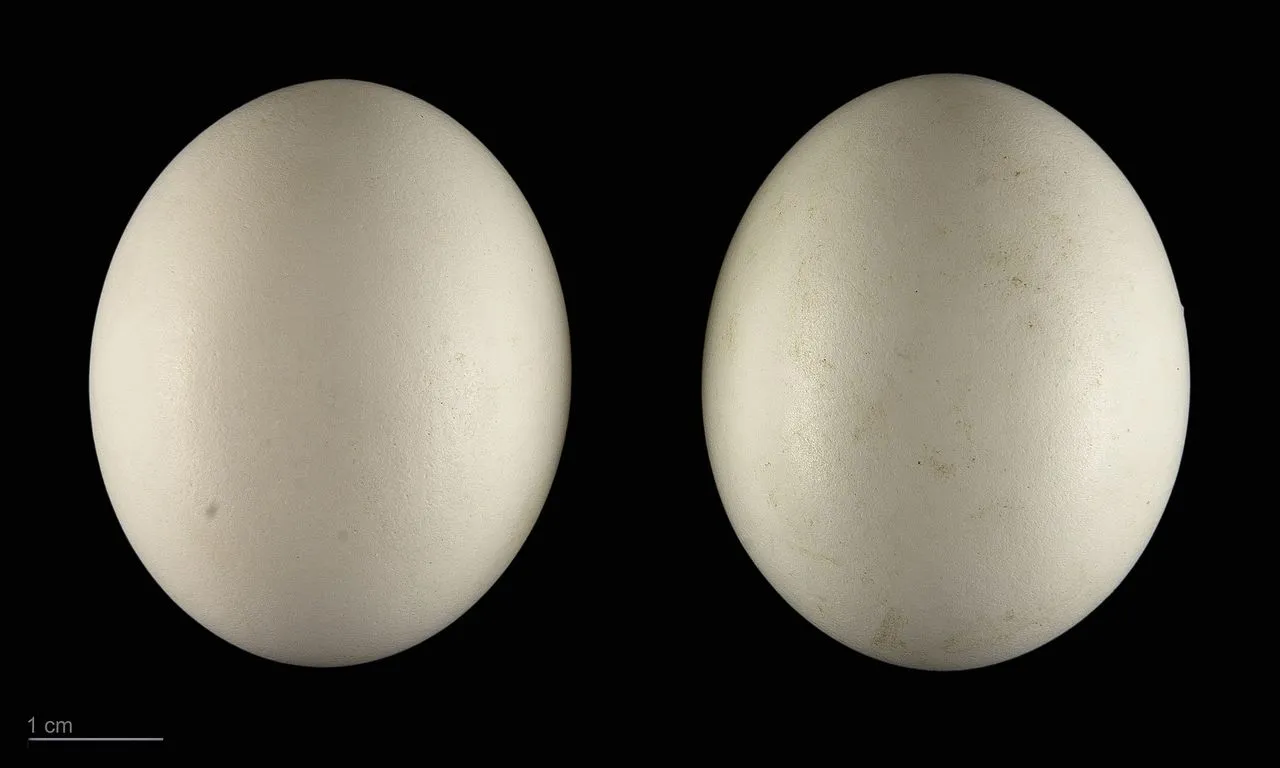
Short-eared Owl (Asio flammeus): Daylight Marsh Hunter
Field profile of Asio flammeus: daylight quartering over marsh and rough grassland, vole cycles, ground nesting, wing-clapping display, and identification.
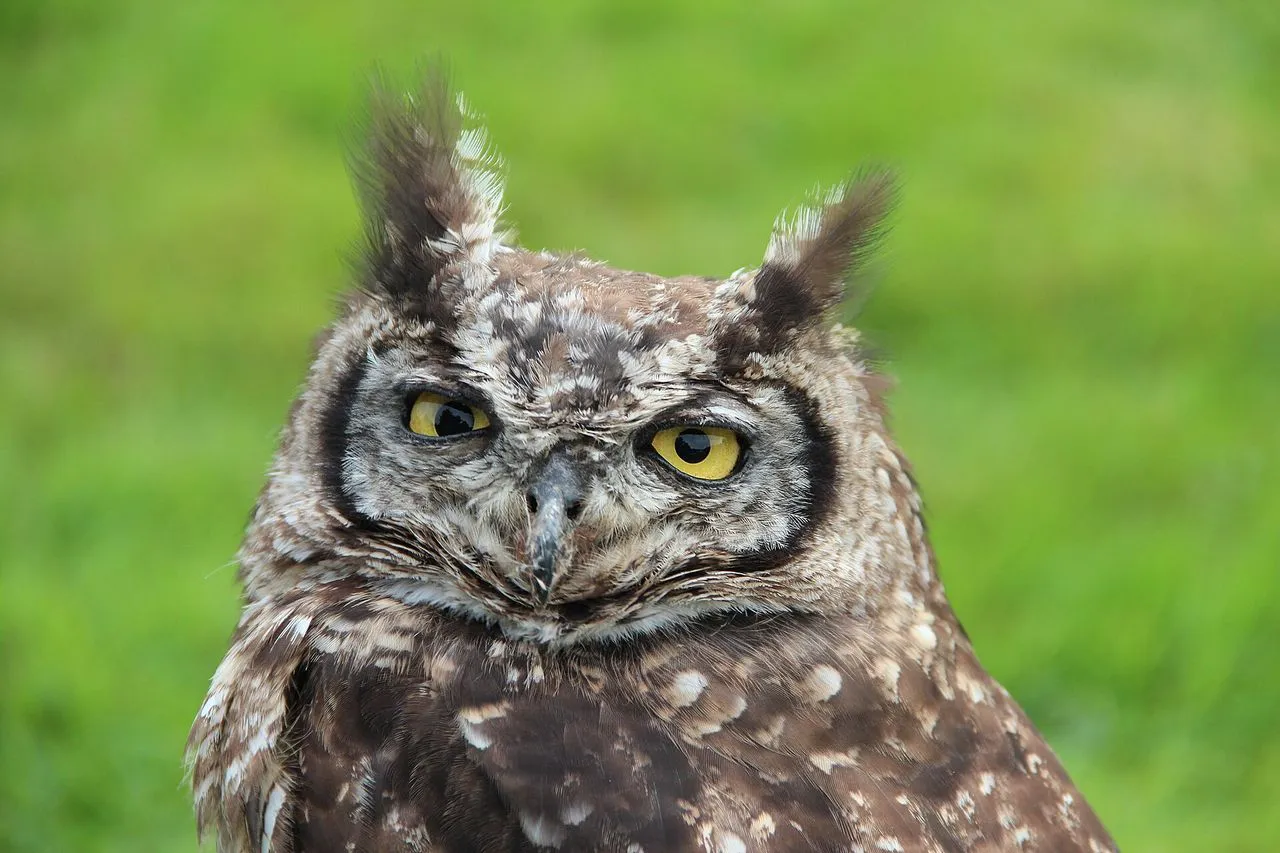
Great Horned Owl (Bubo virginianus): Identification, Voice & Behaviour
Field profile of Bubo virginianus: ear-tuft identification, deep hooting, broad diet including skunks, and late-winter breeding.
Northern Hawk Owl (Surnia ulula): Diurnal Boreal Predator
Field profile of Surnia ulula: long-tailed diurnal boreal owl, exposed perch hunting, vole and bird diet, cavity nesting, and winter irruptions.
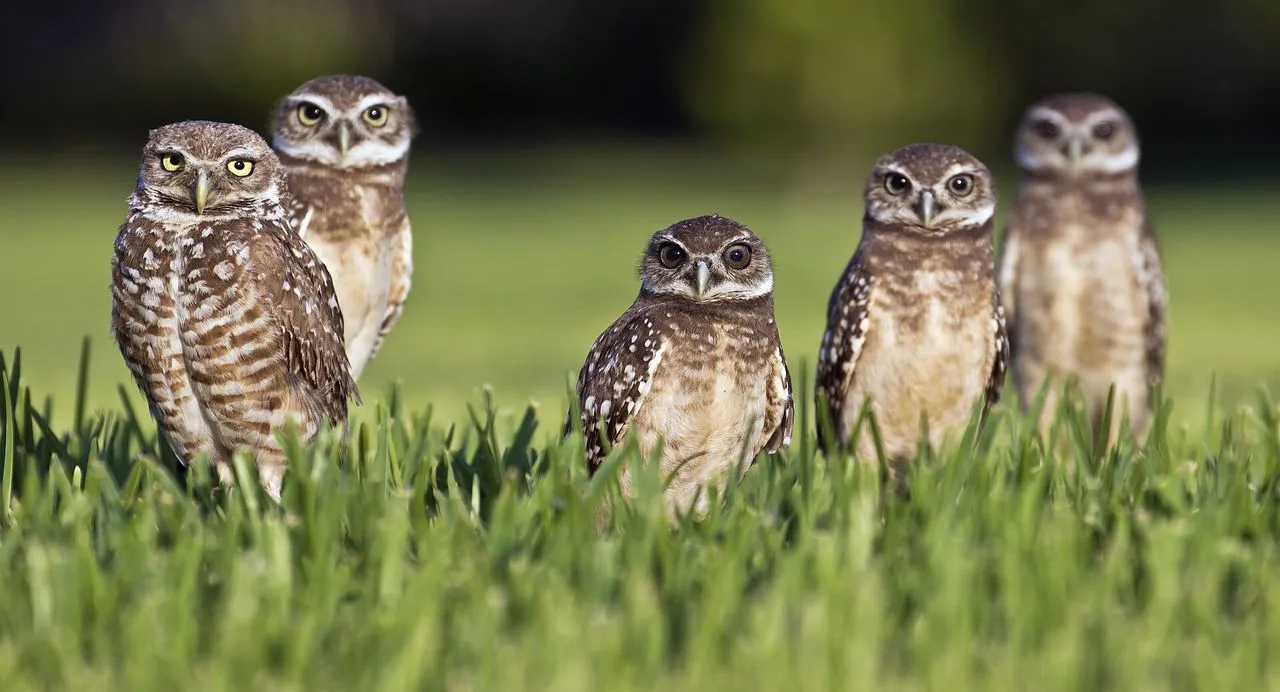
Burrowing Owl (Athene cunicularia): The Open-country Ground Owl
Field profile of Athene cunicularia: ground nesting, prairie dog and ground-squirrel burrows, daylight activity, dung lining, diet, and decline.
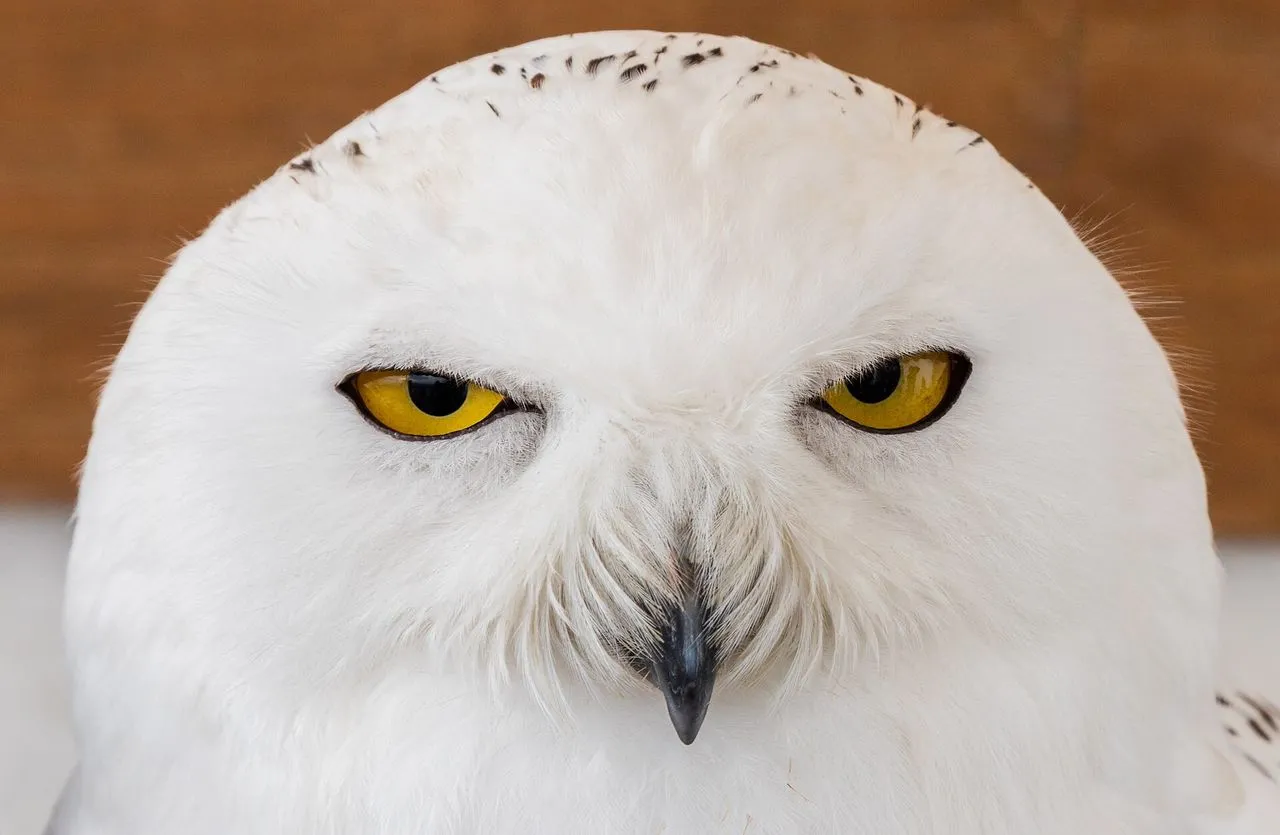
Snowy Owl (Bubo scandiacus): Arctic Hunter in Lemming Cycles
Field profile of Bubo scandiacus: Arctic tundra breeding, lemming-cycle irruptions, sex and age plumage, open-country hunting, and winter records.
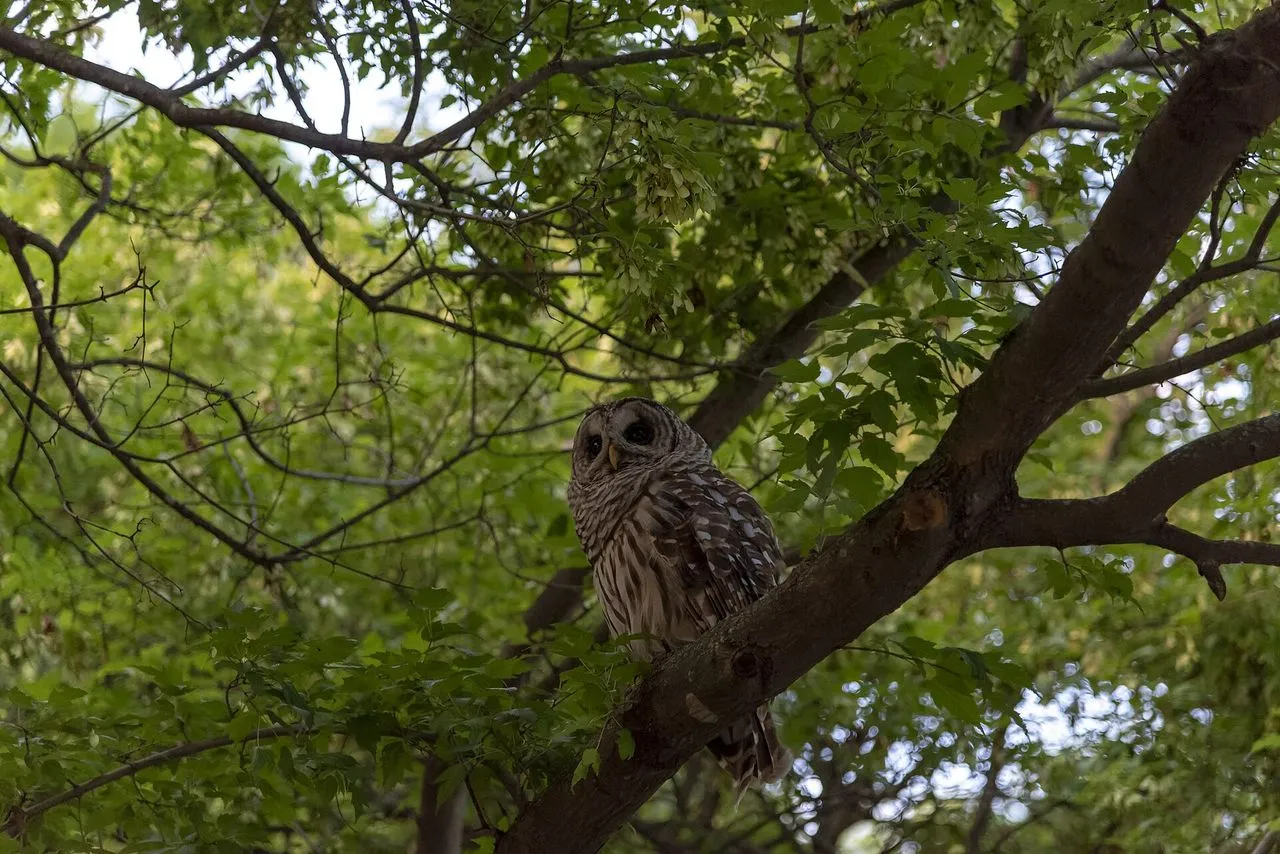
Barred Owl (Strix varia): Identification, Voice & Eastern Forest Range
Field profile of Strix varia: the who-cooks-for-you call, mature forest and swamp habitat, broad diet, cavity nesting, and western expansion.
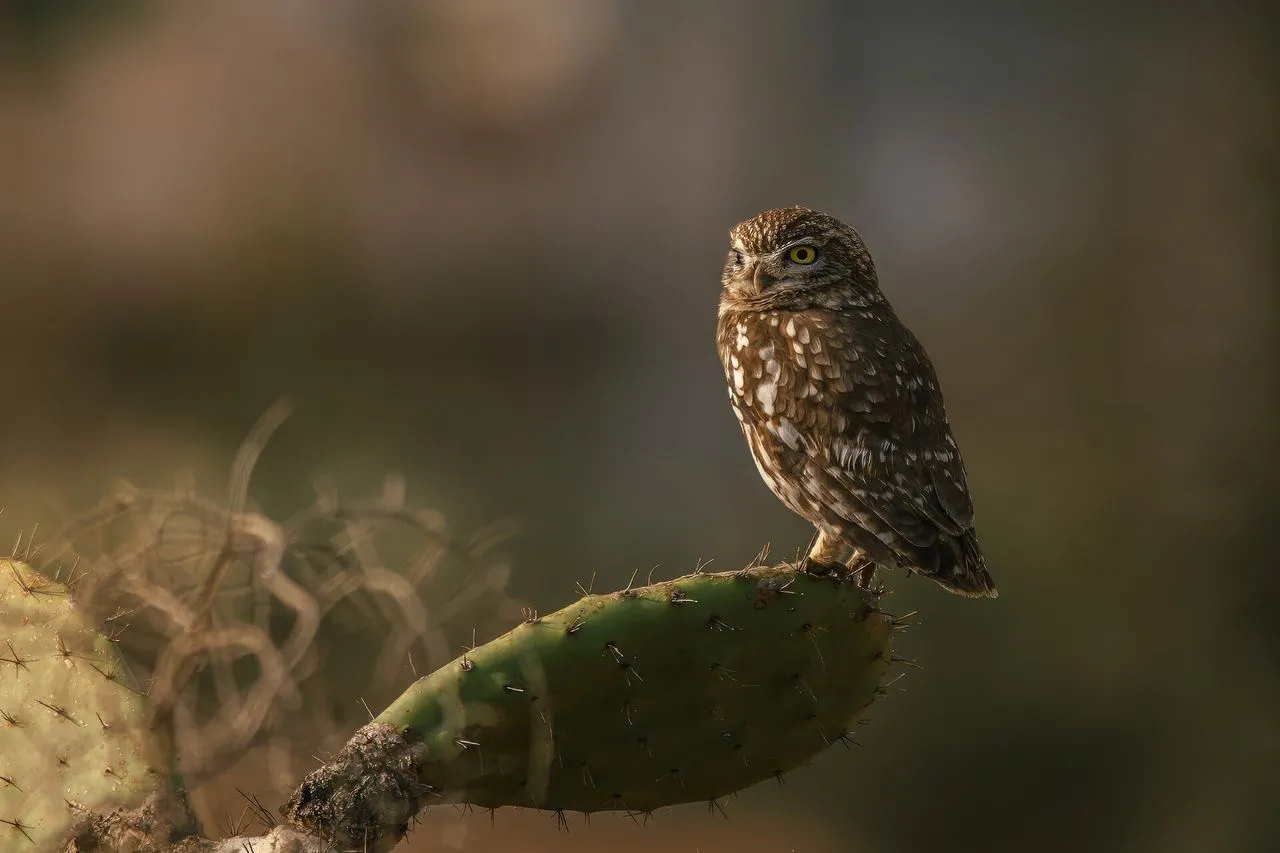
Little Owl (Athene noctua): Introduced and Established in Britain
Field profile of Athene noctua: Britain's introduced small owl of pasture, pollards, barns, stone walls, beetles, earthworms, and low daytime perches.
Tawny Owl (Strix aluco): Britain's Hooting Woodland Owl
Field profile of Strix aluco: Britain's familiar woodland owl, hoot and ke-wick duet, dark-eyed identification, cavity breeding, and garden listening.
Barn Owl (Tyto alba): Identification, Voice & Nest Box Design
Field profile of Tyto alba: heart-shaped facial disc, harsh screech, asymmetric hearing, open-country hunting, and nest-box specifications.
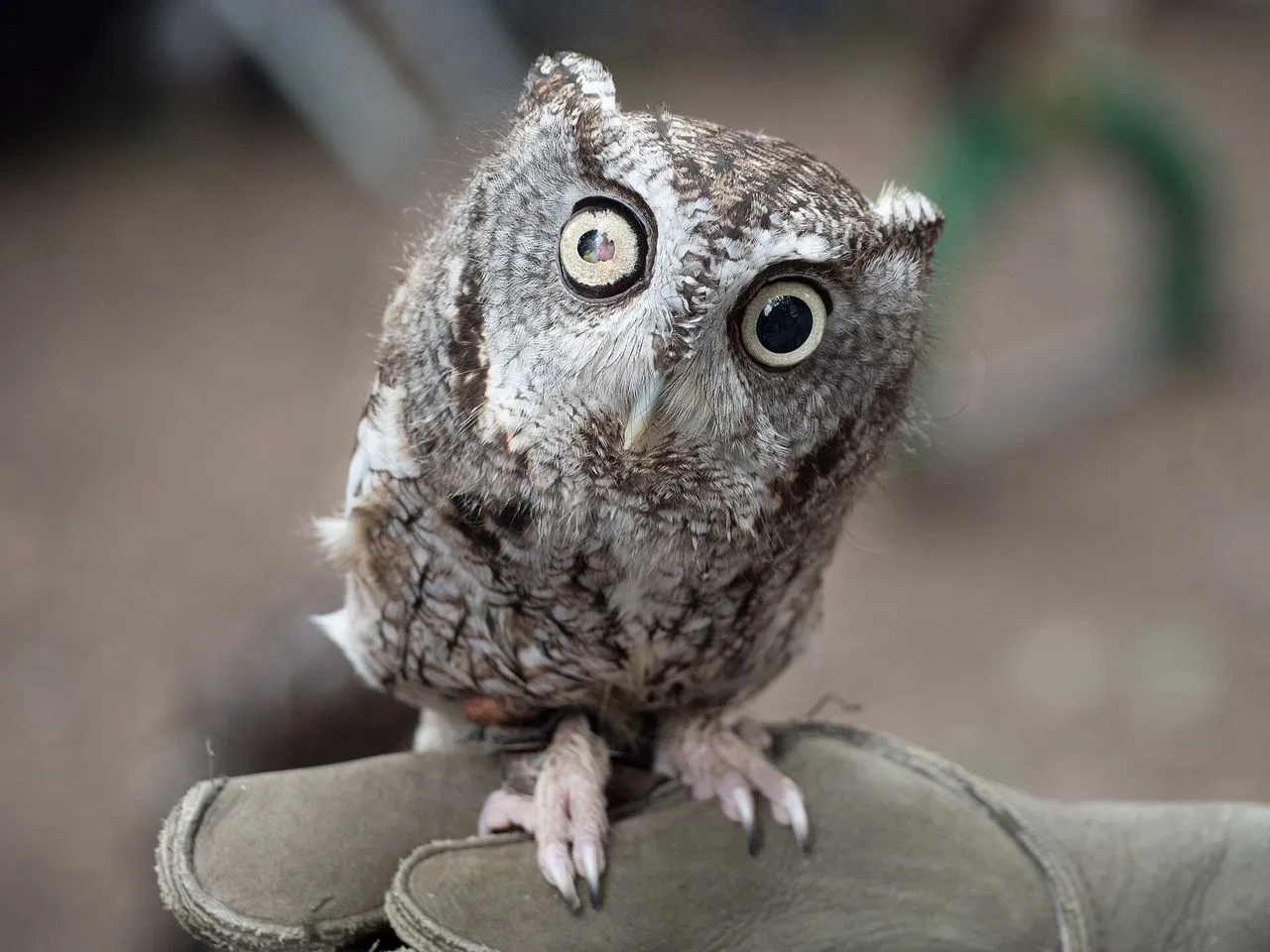
Eastern Screech-Owl (Megascops asio): Identification, Calls & Cavity Use
Field profile of Megascops asio, covering red and grey morphs, descending whinny and tremolo calls, cavity nesting, diet, and suburban woodland use.
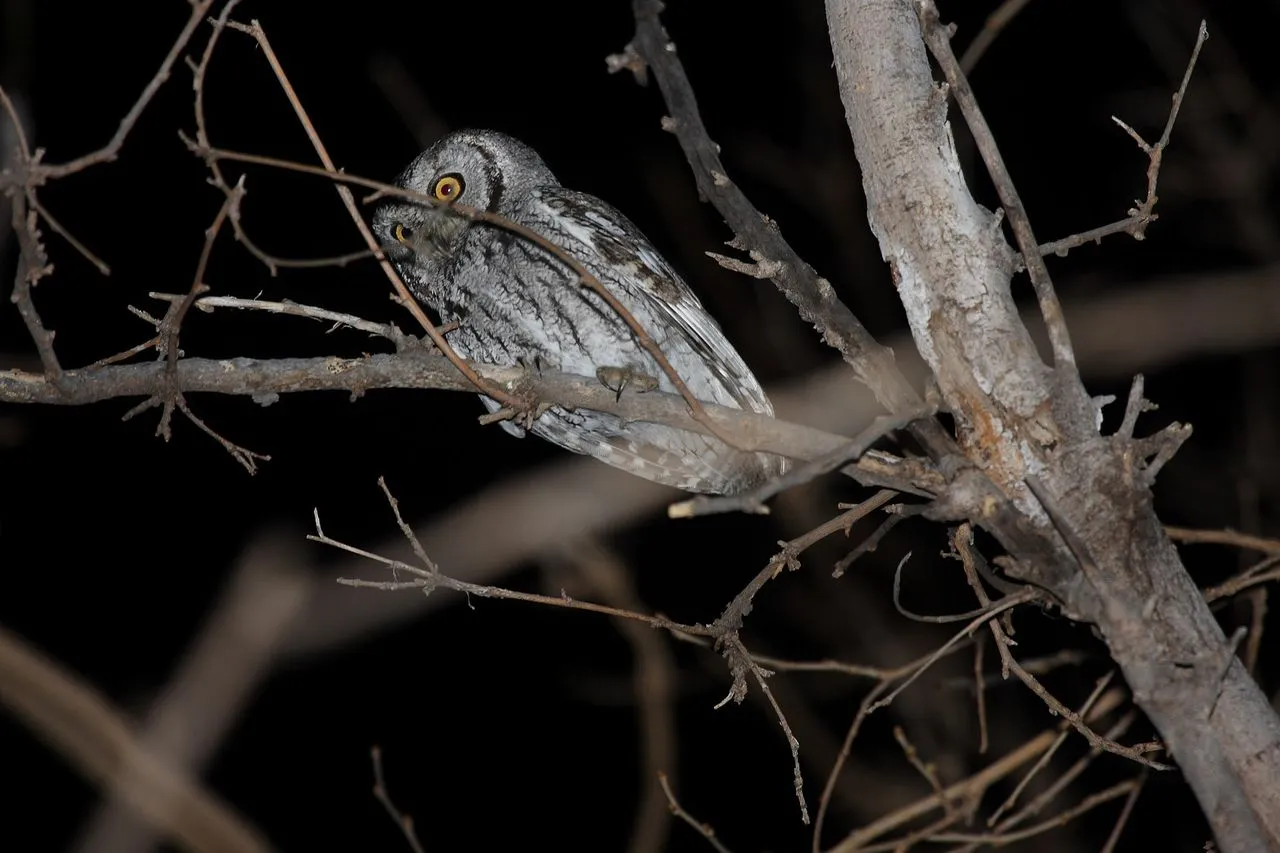
Western Screech-Owl (Megascops kennicottii): The Western Cousin
Field profile of Megascops kennicottii, the small cavity owl of western riparian woodland, oak canyons, suburbs, and desert washes.
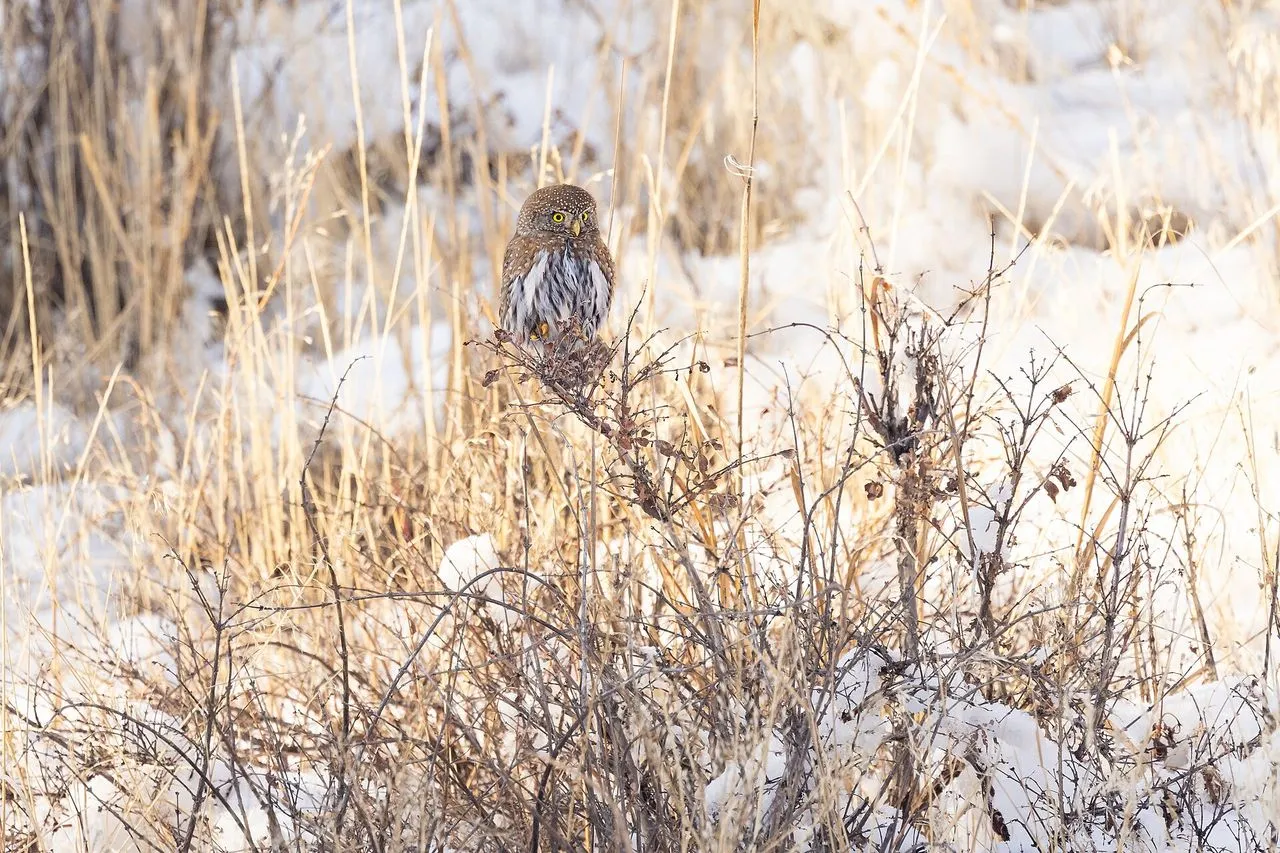
Northern Pygmy-Owl (Glaucidium gnoma): Diurnal Songbird Hunter
Field profile of Glaucidium gnoma: tiny diurnal predator, false eye-spots, toot song, cavity nesting, montane forest edges, and songbird prey.
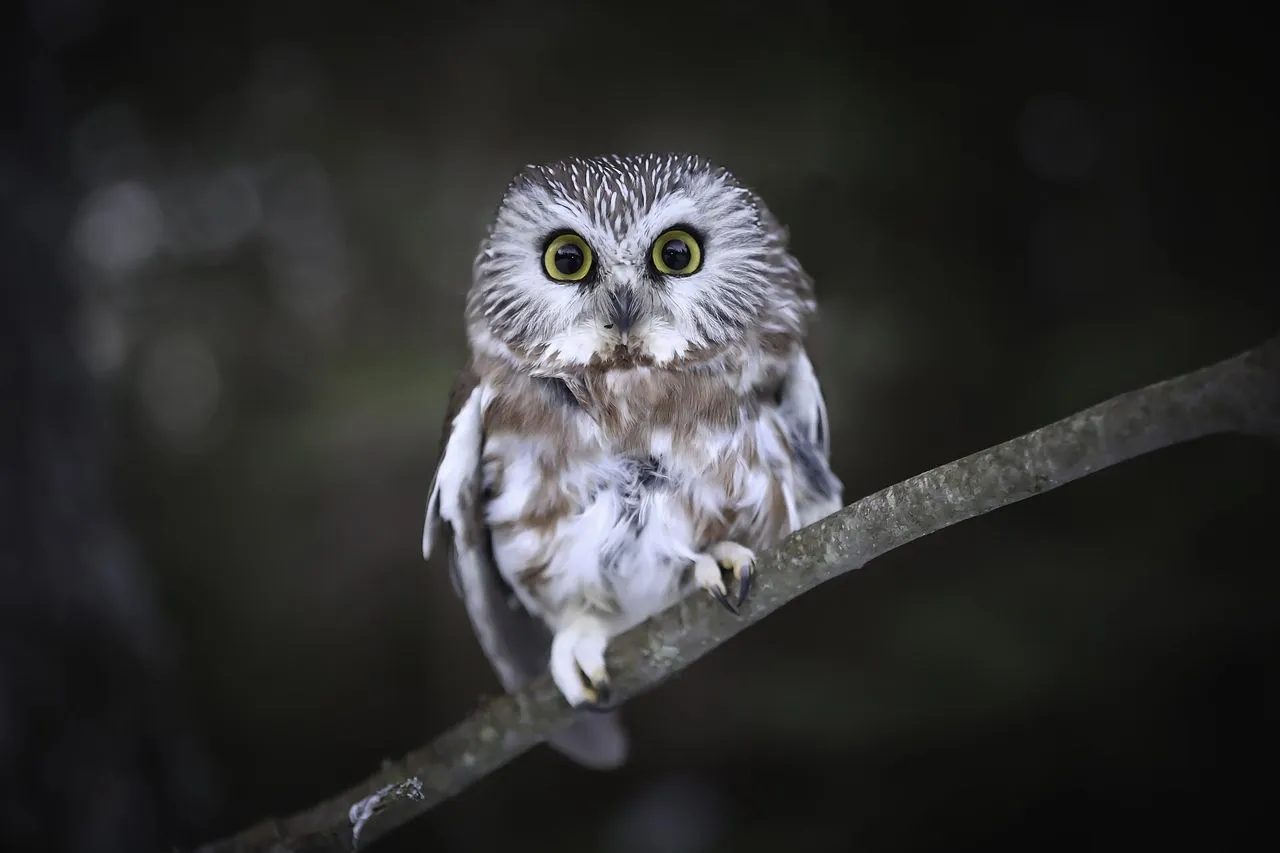
Northern Saw-whet Owl (Aegolius acadicus): The Tiny Migratory Owl
Field profile of Aegolius acadicus: small size, toot-toot song, nocturnal migration, banding records, cavity nesting, and mouse-rich conifer edges.