Asio otus (Linnaeus, 1758), the Long-eared Owl, is a 220-435 g nocturnal owl whose conspicuous feather tufts advertise posture, not hearing, while its true ear openings remain hidden and asymmetrical.
Part of the Complete Owls Guide.
Identification
| Character | Long-eared Owl (Asio otus) | Short-eared Owl (Asio flammeus) |
|---|---|---|
| Length | 31-40 cm (12-16 in) | 34-43 cm (13-17 in) |
| Wingspan | 86-100 cm (34-39 in) | 85-110 cm (33-43 in) |
| Mass | 220-435 g (7.8-15.3 oz) | 206-475 g (7.3-16.8 oz) |
| Eyes | Orange | Yellow |
| Ear tufts | Long and usually obvious when perched | Short, usually hidden |
| Usual activity | Strictly nocturnal, tree-roosting | Often daylight, open-ground quartering |
Visual
Long-eared Owl is slim, vertical, and cryptically streaked, 31-40 cm long with an 86-100 cm wingspan. At rest it elongates the body, compresses the feathers, and raises the long ear tufts, producing a branch-like outline. The eyes are orange, not yellow, and set in a narrow facial disc with dark vertical marks that enhance the bark mimicry.
Upperparts are mottled brown, buff, and grey; underparts are pale buff with heavy dark streaking and finer crossbars. In flight it is long-winged but less buoyant and more strictly nocturnal than Short-eared Owl. Roosting birds in winter often sit in dense conifers, hawthorn, ivy, or shelterbelts and may allow close passage if not stared at directly.
The main separation from Short-eared Owl is behaviour and structure: Long-eared is a roost-tree owl with orange eyes and obvious tufts; Short-eared is an open-ground daylight hunter with yellow eyes and barely visible tufts.
Audio
The male song is a low, single hoo repeated at intervals of 2-4 seconds, sometimes for many minutes. It is quiet for the bird's size and easily lost in wind or traffic. Courtship also includes wing-clapping display flights. Females give nasal calls, and young produce a high, persistent begging whistle that carries through woodland edges on summer nights.
Listening requires still conditions. A known territory may seem silent on breezy evenings and obvious the following night under calm air. The repeated low hoot from February to April is the most useful breeding-season clue.
Distribution
Long-eared Owl occurs across much of North America, Europe, North Africa, and temperate Asia. It is resident or partially migratory depending on latitude and prey. Northern birds move south in winter, and local numbers can vary strongly with vole abundance. In Britain and Ireland it is widespread but under-recorded because of nocturnal habits and concealed roosting.
The species is not a deep-forest specialist. It depends on a combination of nesting or roosting cover and open hunting ground, a pattern that explains its frequent occurrence in shelterbelts, plantations, field-edge conifers, and small woods adjoining rough grassland.
Habitat
Breeding habitat typically includes dense trees or tall scrub for nesting and roosting, plus nearby open ground supporting voles. Conifer plantations, mixed farm woods, shelterbelts, orchards, riparian woodland, and heathland edges are all used. Pure closed woodland without hunting openings is less suitable than a small dense stand beside rough grass.
Winter communal roosts are characteristic. Groups of 2-20 birds may use the same dense trees for weeks or months, with pellets and whitewash accumulating below. Larger roosts occur in continental regions during influx years. These roosts are vulnerable to disturbance because a flushed bird must expend energy and may abandon a secure site.
Diet and Hunting
Small mammals dominate. Voles, especially Microtus species, are the staple across much of the range. Wood mice, deer mice, shrews, young rats, and small birds supplement the diet. Pellet analysis from winter roosts often gives a cleaner picture of local small-mammal communities than casual trapping because the owls sample repeatedly across field margins and grassland.
Hunting begins after dusk. The bird quarters low over open ground or hunts from posts and tree edges, dropping onto prey detected by sound. Silent flight is well developed, though the species is not as specialised for total-darkness precision as Barn Owl. In snow cover it may shift toward birds and exposed mammals, or leave the area entirely if prey access declines.
Breeding Biology
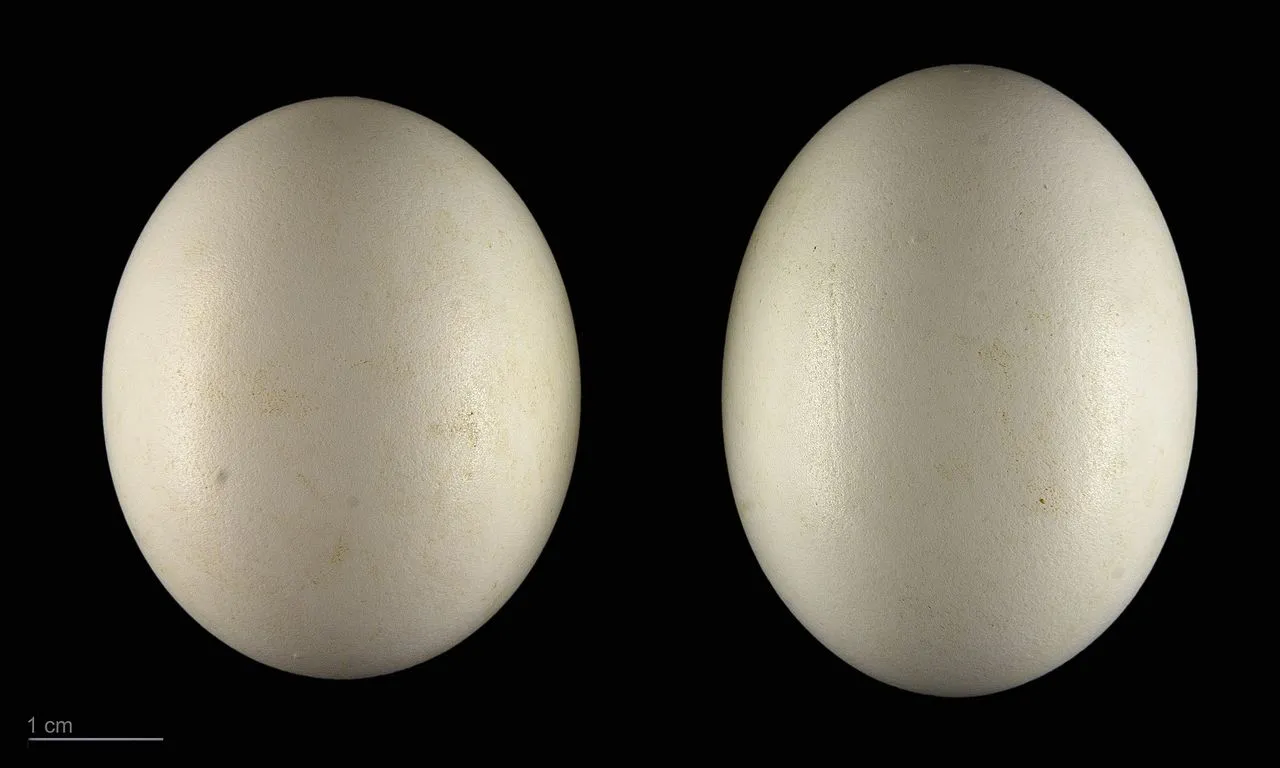
Long-eared Owls do not build nests. They use abandoned stick nests of crows, magpies, ravens, buzzards, hawks, herons, and squirrels. Nest height varies widely, but dense cover around the nest is preferred. Egg laying usually begins in March or April in temperate regions.
Clutch size is commonly 3-5 eggs, larger in strong vole years. Incubation lasts about 25-30 days and starts with the first egg. The female incubates and broods; the male provisions. Young leave the nest at about three weeks, before flight, and climb into surrounding branches. Their drawn-out begging whistles in June and July are often the first evidence of breeding in a locality.
Notes
The species is probably overlooked more often than genuinely rare in many settled landscapes. Its winter roosts are found by signs: pellets beneath dense cover, whitewash on branches, and mobbing by corvids. Once found, the correct response is restraint. Long-eared Owls depend on concealment and repeated use of safe roost trees. Publicising exact roost locations, especially in small woods, can destroy the value of the site within a weekend.
Pellets from communal roosts are particularly useful because they integrate hunting over several surrounding fields rather than one nest site. A series collected from the ground outside the sensitive core of the roost can show whether the birds are feeding chiefly on voles, mice, or small birds during hard weather. That information is often more valuable than another close photograph of a roosting bird. The owl itself should remain undisturbed; the evidence below the tree is enough for most field purposes.
See Also
Frequently Asked Questions
How do I tell Long-eared Owl from Short-eared Owl?
Behaviour and structure are decisive. Long-eared has orange eyes, obvious ear tufts when perched, and is a strictly nocturnal roost-tree owl. Short-eared has yellow eyes, barely visible ear tufts, and is the open-ground owl quartering in daylight. The two species rarely overlap visually.
Do Long-eared Owls build their own nests?
No. They use abandoned stick nests of crows, magpies, ravens, buzzards, hawks, herons, and squirrels. Dense cover around the nest is preferred. Egg laying usually begins in March or April in temperate regions, with clutches of 3-5 eggs, larger in strong vole years.
What is a Long-eared Owl winter roost?
Groups of 2-20 birds may share dense conifers, hawthorn, ivy, or shelterbelts for weeks or months, with pellets and whitewash accumulating below. Continental influx years can produce larger roosts. These roosts are vulnerable to disturbance and exact locations should not be publicised.
What do Long-eared Owls eat?
Small mammals dominate, especially voles in the genus Microtus across much of the range. Wood mice, deer mice, shrews, young rats, and small birds supplement the diet. Pellet analysis from winter roosts gives a clean picture of local small-mammal communities.
Sources & References
- Mikkola, H. (1983). Owls of Europe. T & AD Poyser.
- Cornell Lab of Ornithology. (2024). All About Birds: Long-eared Owl. birds.cornell.edu
- Cramp, S. (ed.) (1985). The Birds of the Western Palearctic, Vol. 4. Oxford University Press.
- Marks, J.S., Evans, D.L. & Holt, D.W. (2020). Long-eared Owl. Birds of the World. Cornell Lab of Ornithology.