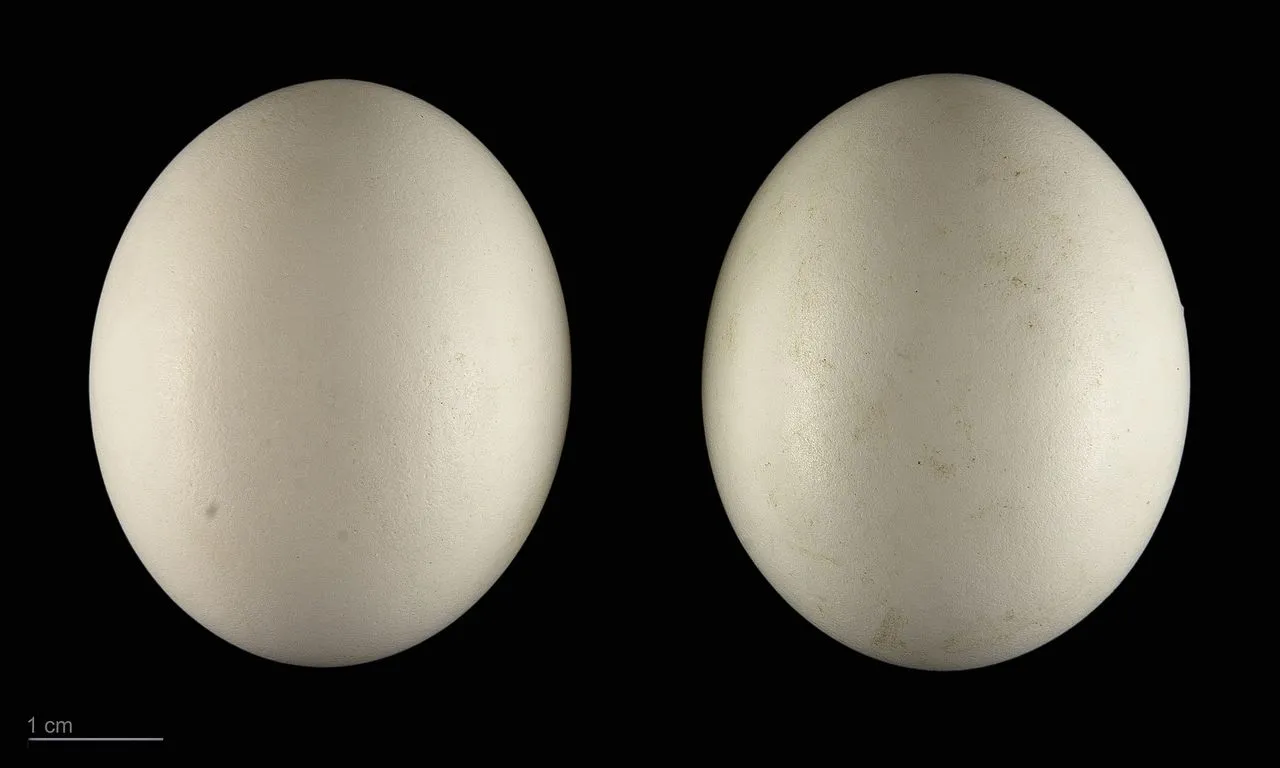
Asio flammeus (Pontoppidan, 1763), the Short-eared Owl, is a 206-475 g open-country owl with long buoyant wings, small usually hidden ear tufts, and a hunting rhythm tied closely to vole abundance.
Part of the Complete Owls Guide.
Identification
| Character | Short-eared Owl (Asio flammeus) | Long-eared Owl (Asio otus) |
|---|---|---|
| Length | 34-43 cm (13-17 in) | 31-40 cm (12-16 in) |
| Wingspan | 85-110 cm (33-43 in) | 86-100 cm (34-39 in) |
| Mass | 206-475 g (7.3-16.8 oz) | 220-435 g (7.8-15.3 oz) |
| Eyes | Yellow | Orange |
| Ear tufts | Short, normally invisible | Long, raised on roosting birds |
| Usual behaviour | Daylight quartering over open ground | Nocturnal; dense tree roosts |
Visual
Short-eared Owl is medium-sized, long-winged, and pale buff-brown, usually seen in flight over marsh, moor, dune grassland, or rough pasture. Body length is 34-43 cm and wingspan 85-110 cm. The flight is elastic and low, with slow wingbeats, glides, and sudden drops into grass. It often hunts in good light, making it one of the most visible owls in temperate regions.
The face is pale and rounded, with blackish eye patches around yellow irises. Ear tufts are short and normally invisible except at close range when the bird is alarmed. Upperparts are mottled brown and buff; underparts are streaked on the breast and paler toward the belly. In flight, dark carpal patches on the underwing are useful, as is the barred tail and pale trailing edge.
Long-eared Owl is the main confusion species. Long-eared has prominent ear tufts, orange eyes, a slimmer perched shape, and is much more nocturnal. Short-eared is the bird quartering open ground at 3 p.m. on a still winter afternoon.
Audio
The species is less vocal than many woodland owls outside the breeding season. Displaying males give low, repeated hoots in flight, interspersed with a mechanical wing-clapping produced by striking the wings below the body during a buoyant display flight. Alarm calls include harsh barks and rasps. On wintering grounds, visual behaviour is usually more useful than sound.
Distribution
Short-eared Owl has one of the broadest distributions of any owl, breeding across northern North America, Europe, and Asia, and occurring in suitable open habitats far south in winter. It is present on many oceanic islands and has colonised remote open landscapes better than most owls because it nests on the ground and does not require tree cavities.
Movements are irregular and prey-driven. Northern breeders migrate south, but local abundance in winter depends heavily on vole cycles. A coastal marsh that holds two birds one year may hold twenty the next if Field Voles (Microtus agrestis) or Meadow Voles (Microtus pennsylvanicus) are abundant.
Habitat
The species uses open habitats with low to moderate vegetation: grazing marsh, saltmarsh, rough grassland, moorland, young forestry restock, tundra, prairie, sedge meadow, airports, dunes, and extensive fallow fields. It avoids closed woodland and landscapes with tall continuous scrub.
Roosting is usually on the ground in grass, rushes, heather, or low vegetation. Communal roosts may form in winter where prey is concentrated. Because roosts are low and exposed, disturbance by walkers, dogs, photographers, and vehicles can be significant even when no nest is present.
Diet and Hunting
Voles dominate the diet across much of the range. In Britain, Field Vole is often the key prey; in North America, Meadow Vole and other Microtus species are central. The owl also takes deer mice, shrews, young rats, small rabbits, pipits, larks, buntings, shorebirds, frogs, and large insects.
Hunting is mainly low quartering flight, typically 0.5-3 m above vegetation. The owl listens and watches while flying into the wind, then stalls and drops feet-first into cover. It may hover briefly in stronger wind. The broad facial disc and soft flight feathers support acoustic hunting, but vision is also important, especially in daylight and over short vegetation.
Breeding Biology
Short-eared Owls nest on the ground. The female makes a shallow scrape lined with grasses and feathers, often concealed in rushes, heather, sedge, or dense grass. Egg laying begins from April in temperate areas and later in Arctic regions. Clutch size is variable, usually 4-8 eggs but higher in strong vole years.
Incubation begins with the first egg and lasts about 24-29 days. Hatching is asynchronous. Young leave the nest on foot before they can fly, dispersing through surrounding vegetation at roughly two weeks old. This behaviour reduces the risk that one predator finds the entire brood, but it also means observers may encounter apparently abandoned downy young. They should be left in place unless directly threatened by an immediate human hazard.
Notes
Short-eared Owl numbers fluctuate sharply because the species tracks prey rather than defending fixed territories across many years. Conservation assessments based on single-season counts can therefore mislead. The correct scale is landscape-level availability of rough grassland and marsh through several vole cycles. Drainage, conversion to improved grass, heavy grazing, and spring mowing remove both prey habitat and nesting cover. The bird's daylight activity makes it appear less vulnerable than nocturnal owls, but ground nesting exposes it to exactly the machinery, dogs, foxes, and trampling pressure concentrated in open country.
Winter site fidelity is weaker than it appears. A bird may hunt the same marsh for weeks, then leave overnight when snow crust, flooding, or vole access changes. Productive watching therefore depends on conditions as much as location: light wind, low sun, and unfrozen rough grass are better predictors than the date. Where Hen Harriers or Northern Harriers are present, the two species may quarter the same fields, but the owl flies with a looser, more buoyant action and drops almost vertically when prey is located.
See Also
Frequently Asked Questions
How do I tell a Short-eared Owl from a Long-eared Owl?
Behaviour and structure are decisive. Short-eared is the daylight quartering owl of open ground with yellow eyes and barely visible tufts. Long-eared has prominent ear tufts, orange eyes, a slimmer perched shape, and is much more strictly nocturnal and tree-roosting.
Where do Short-eared Owls nest?
Always on the ground. The female makes a shallow scrape lined with grasses and feathers, concealed in rushes, heather, sedge, or dense grass. Clutch size is variable, usually 4-8 eggs but higher in strong vole years. Young leave the nest on foot before they can fly, dispersing through surrounding vegetation.
Why are Short-eared Owl numbers so variable?
The species tracks prey rather than defending fixed territories across many years. A coastal marsh that holds two birds one year may hold twenty the next if Field Voles (Britain) or Meadow Voles (North America) are abundant. Conservation assessments based on single-season counts can mislead.
What is the wing-clapping display?
Displaying males give low repeated hoots in flight while striking their wings together below the body, producing a mechanical clapping sound. This buoyant display flight is most evident in spring and is one of the more distinctive open-country owl displays.
Sources & References
- Cornell Lab of Ornithology. (2024). All About Birds: Short-eared Owl. birds.cornell.edu
- Mikkola, H. (1983). Owls of Europe. T & AD Poyser.
- Wiggins, D.A., Holt, D.W. & Leasure, S.M. (2020). Short-eared Owl. Birds of the World. Cornell Lab of Ornithology.
- Sibley, D.A. (2014). The Sibley Guide to Birds (2nd ed.). Knopf.