Falco columbarius Linnaeus, 1758, the Merlin, is a small falcon of high wing loading and direct pursuit, typically 160 to 240 grams but capable of taking birds close to its own mass.
Part of the Complete Raptors Guide.
Identification
| Character | Merlin (F. columbarius) | American Kestrel (F. sparverius) | Peregrine Falcon (F. peregrinus) |
|---|---|---|---|
| Build | Compact, blunt-headed | Slimmer, longer-tailed | Larger, deep-chested |
| Face | Weak single moustachial mark | Double black facial stripes | Broad black hood and moustache |
| Hunting flight | Fast, low, direct pursuit | Repeated hovering over open ground | High stoop or powerful direct chase |
| Prey emphasis | Small to medium-sized birds | Insects, voles, small birds | Birds taken in open air |
Visual
Merlin is a compact, muscular falcon with pointed wings, a medium-length tail, and a blunt-headed appearance. It lacks the sustained hovering habit of American Kestrel and looks heavier in the chest. Males in many populations are blue-grey above with streaked underparts; females and juveniles are brown above with heavier streaking. The face is plainer than kestrel, usually with a weak moustachial mark rather than the kestrel's double black facial stripes.
In flight, Merlin is fast, low, and purposeful. The wingbeats are rapid and stiff, but the bird does not have the long-winged, heavy power of a Peregrine. A small falcon ripping across a marsh or field edge at hedge height, not stopping to hover, is often a Merlin. Perched birds look stocky, with a shorter tail than kestrel and a more squared head.
North American forms differ noticeably. The Taiga Merlin is moderately dark and widespread in migration. The Prairie Merlin is paler and browner, associated with open western landscapes. The Black Merlin of the Pacific Northwest is much darker. Eurasian birds also vary, but the structural impression remains consistent.
Audio
Merlins are not especially vocal outside breeding areas. Around nests and territories they give a rapid, chattering ki-ki-ki-ki or kek-kek-kek, sharper and less carrying than Peregrine. During winter hunts they are usually silent.
Distribution
Merlins breed across northern North America and Eurasia, with additional populations in open western regions, boreal forest edges, moorland, and coastal areas. Many northern birds migrate south in autumn. In North America, wintering birds occur widely across the United States, especially in open country, coastal zones, prairie towns, and urban areas with abundant small birds. In Britain and Ireland, Merlin is strongly associated with uplands, moorland, and coastal wintering grounds.
The species has increased in some urban areas in recent decades, particularly in Canadian prairie cities where mature conifers and corvid nests provide nesting opportunities and House Sparrows supply prey.
Habitat
Breeding habitat varies by region. Boreal birds use forest edge, burns, and open muskeg with scattered trees. Prairie populations use shelterbelts, groves, and urban conifers. In Britain, breeding Merlins occupy heather moorland and upland edges, often nesting on the ground or in old corvid nests depending on local conditions. Winter habitat is more open: marshes, dunes, farmland, estuaries, grassland, and towns.
Merlins need small bird concentrations and open pursuit space. They do not require cliffs or high ledges, and they are not woodland manoeuvre specialists like accipiters. They hunt by speed across horizontal distance.
Diet and Hunting
Small to medium-sized birds dominate the diet. Prey includes pipits, larks, sparrows, finches, shorebirds, swallows, starlings, and occasionally small pigeons. Insects, especially dragonflies, may be taken in flight during migration or summer, but vertebrate prey is central. At coastal sites Merlins patrol shorebird flocks; in farmland they target larks and finches; in towns they pursue House Sparrows and starlings.
The hunting method is direct chase and surprise. Merlins often fly low and fast, using terrain to close distance before the prey flock reacts. Unlike kestrels, they rarely pause to hover. Unlike Peregrines, they do not depend on a high stoop, although they will dive from modest height when conditions favour it. Pursuits can be prolonged compared with accipiter attacks, with the falcon pressuring a single bird until it tires or makes an error.
Merlins also exploit weather. Along coasts and open ridges they use headlands, dune lines, sea walls, and hedge banks to approach flocks below the skyline. A flock of pipits or shorebirds rising all at once before the falcon is visible is often the first sign of a hunt in progress. The prey response is different from the tight explosive flush caused by an accipiter in cover; it is a widening aerial scatter, with the Merlin selecting one bird from the disorder.
One field mark is behavioural aggression. Merlins regularly harass larger raptors, crows, gulls, and even people near nests. Their willingness to attack larger birds can reveal a territory long before the nest is found.
Breeding Biology
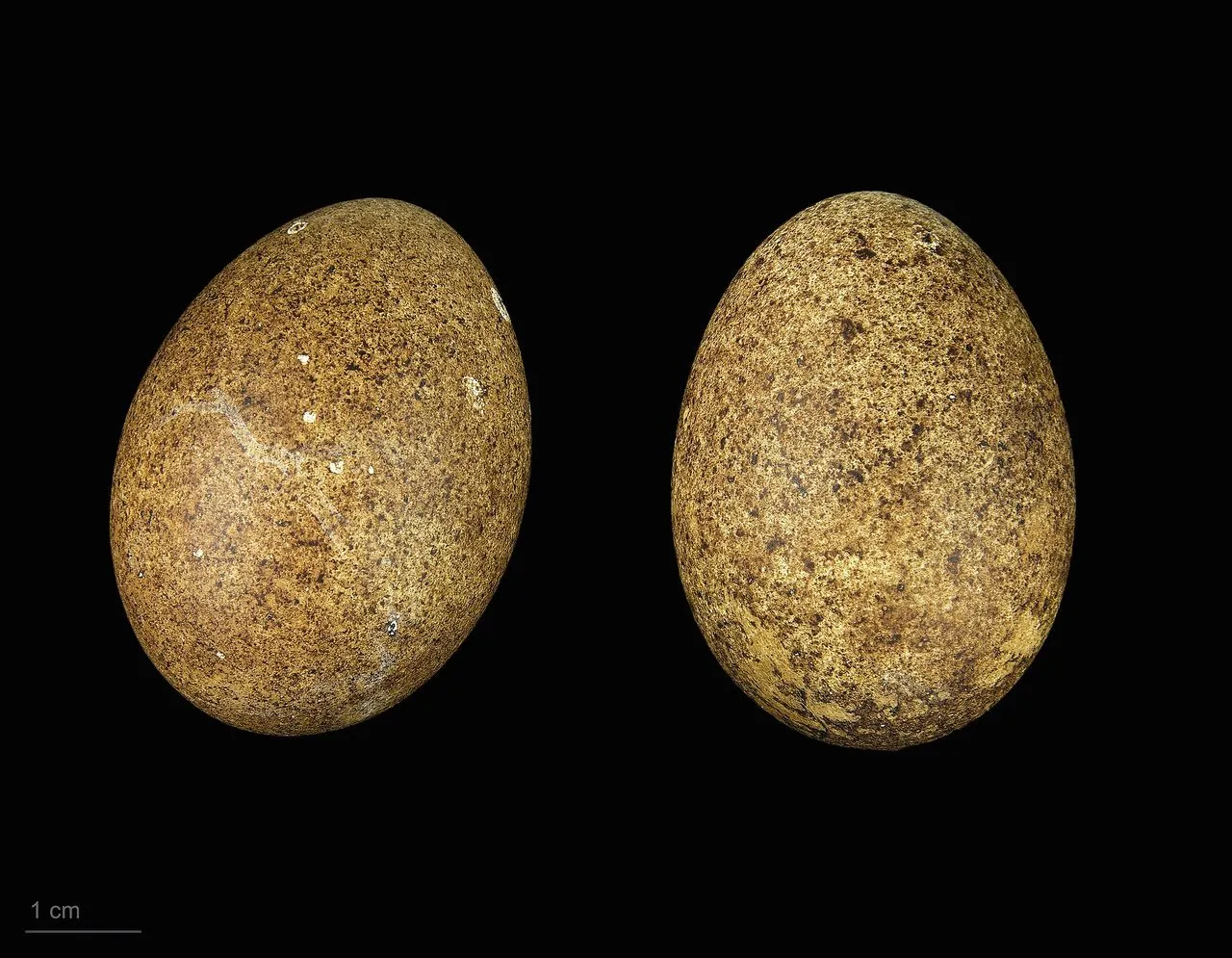
Merlins usually do not build their own nests. They use old corvid nests, tree platforms, cliff ledges, ground scrapes, or occasionally building sites, depending on region. Clutch size is typically three to five eggs. Incubation lasts about a month, mainly by the female, while the male delivers prey. Young fledge after roughly four weeks and remain dependent while learning aerial pursuit.
Nest placement is flexible but prey supply is not. Productive territories are near open hunting areas with abundant small birds. In urban prairie populations, old crow or magpie nests in spruce trees have allowed Merlins to breed at high densities by historical standards.
Notes
Merlin is often misidentified as a female American Kestrel by observers relying on size and brown plumage. The behavioural separator is decisive: kestrels hover, tail-bob on wires, and often hunt insects or voles from a fixed perch. Merlins move like thrown stones, cross open ground without hovering, and turn small bird flocks into flighted panic.
In Britain, the same behavioural distinction separates Merlin from the much commoner Kestrel. A small falcon over upland moor that is repeatedly wind-hovering is a Kestrel until proved otherwise; a small falcon driving low along the contour of a heather slope after Meadow Pipits is the bird that deserves scrutiny for Merlin.
See Also
Frequently Asked Questions
How do I separate Merlin from American Kestrel?
Behavioural separation is decisive. Merlins do not hover; they fly fast and low across open ground in direct purposeful lines. Kestrels tail-bob on wires and hover repeatedly while scanning for prey. Merlins hold their tails still when perched; kestrels pump and bob the tail continuously. Merlin shows a weak single moustachial mark rather than the kestrel's double black facial stripes.
What does Merlin flight look like?
Merlin is fast, low, and purposeful. Wingbeats are rapid and stiff but the bird does not have the long-winged heavy power of a Peregrine. A small falcon ripping across a marsh or field edge at hedge height, not stopping to hover, is often a Merlin. In urban areas Merlins have increased in some Canadian prairie cities where mature conifers and House Sparrows provide nesting and prey.
What do Merlins eat?
Small to medium-sized birds dominate: pipits, larks, sparrows, finches, shorebirds, swallows, and starlings. Insects, especially dragonflies, may be taken in flight during migration or summer. At coastal sites Merlins patrol shorebird flocks; in farmland they target larks and finches; in towns they pursue House Sparrows and Starlings. Merlins sometimes hunt cooperatively against a flock, pressuring one bird until it tires.
How do I separate Merlin from Peregrine Falcon?
Merlin is much smaller, shorter-winged, and blunter-headed than Peregrine. Peregrine has a broader black hood, heavier moustachial stripe, deep chest, and stiff authoritative wingbeats. Merlin wingbeats are quicker and more fluttery by comparison. The size difference is obvious at any reasonable range; confusion is only likely in distant silhouette views.
Sources & References
- Cornell Lab of Ornithology. (2024). All About Birds: Merlin. birds.cornell.edu
- Warkentin, J.H., James, P.C. & Oliphant, L.W. (1990). Pack, J.C. (Eds.). Biology and Management of the Merlin. Proceedings of the Merlin Symposium. Ictus.
- Sibley, D.A. (2014). The Sibley Guide to Birds (2nd ed.). Knopf.
- Ferguson-Lees, J. & Christie, D.A. (2001). Raptors of the World. Helm Identification Guides.