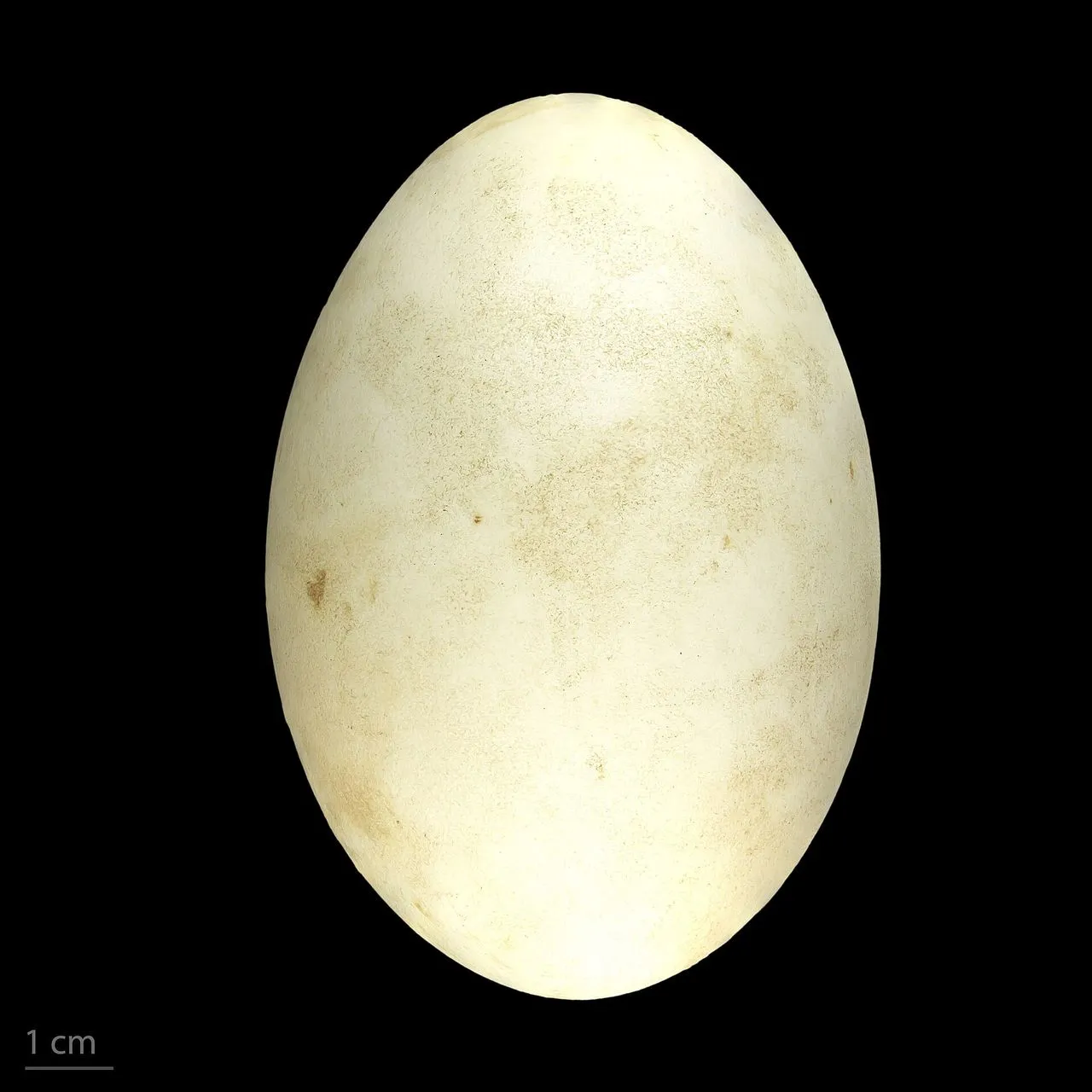
Canada Goose (Branta canadensis) is a large goose (75–110cm) with distinctive black head and neck, white cheek patches. Resident populations now common in parks. Migratory populations fly north to breed. Cackling Goose is now separate species.
Branta canadensis, the Canada Goose, is one of the most recognisable waterbirds in North America and is now equally familiar across lowland Britain and much of northern Europe following deliberate introductions in the 17th century and subsequent range expansion. It is the largest member of the genus Branta, a group of black-and-white geese that also includes the Barnacle Goose (B. leucopsis), Brent Goose (B. bernicla), and, following a 2004 taxonomic revision, the Cackling Goose (B. hutchinsii), formerly treated as a small subspecies of canadensis.
Part of the Complete Waterfowl Guide.
Identification
Branta canadensis is unmistakable under most conditions in Britain and North America. Core field marks:
- Head and neck: Black head and neck with a broad white chinstrap patch extending from cheek to cheek across the throat. No other common goose in the region shows this combination of all-black head-and-neck with white chinstrap.
- Body: Brown-buff on the back, flanks, and breast; paler on the belly; undertail coverts white. Sexes are monomorphic, identical in plumage.
- Bill and bare parts: Short, triangular, black throughout. Legs and feet black.
- Size: Highly variable by subspecies (see below). Most birds encountered in Britain and the eastern US are large: body length 90–110 cm, wingspan 127–180 cm, mass 3.5–9 kg.
In flight the silhouette is distinctive: neck extended horizontally, broad wings with relatively slow wingbeats for the body size, white rump contrasting with black tail coverts. The flight call is the familiar two-syllable ah-honk, lower-pitched and louder than any other goose likely to be encountered in the same habitats.
Subspecies and the Resident vs Migratory Split
Branta canadensis is a polytypic species with between five and seven recognised subspecies. The range runs from the giant B. c. maxima of the central United States, which can exceed 9 kg, down to the small, darker B. c. parvipes of interior Canada, a size span that underlies the resident versus migratory split.
Migratory populations breed on the Arctic and subarctic tundra and in the boreal forest zone of northern Canada and Alaska. They winter in the continental United States and northern Mexico, travelling along well-defined flyways. Peak movement in autumn is September through November, with return passage February through April.
Resident populations are the birds on urban parks, golf courses, agricultural fields, and suburban waterbodies throughout the year. In North America these are principally descended from B. c. maxima, a subspecies that bred on the northern Great Plains and was reduced to near-extinction by the early 20th century through market hunting and habitat loss. A mid-20th century recovery programme reintroduced captive-bred birds widely across the continental United States, and the suburban population is largely descended from that effort.
In Britain the resident population derives from birds kept as ornamental wildfowl from the 17th century onward, with escapes and deliberate releases accumulating over time. These birds show effectively no migratory behaviour, making only local movements between moulting areas and feeding sites.
The Cackling Goose Split
The 2004 AOS decision to recognise Branta hutchinsii, the Cackling Goose, as a full species resolved a long-running argument over the smaller, stub-billed forms previously treated as canadensis subspecies. Four Cackling Goose subspecies are now recognised, all substantially smaller than canadensis and differing in structure as well as size.
| Character | Canada Goose | Cackling Goose |
|---|---|---|
| Size | Large to very large (3.5–9 kg) | Small to medium (1.5–3 kg) |
| Bill shape | Long, relatively slender | Short, stubby, triangular |
| Neck | Long; held erect | Short; rounded head profile |
| Head profile | Flat-crowned | Rounded to peaked |
| Wingbeat | Relatively slow for size | Faster, more duck-like |
| Call | Deep ah-honk | Higher, cackling or yelping note |
Separation is straightforward at the extremes: a large maxima-type Canada Goose beside a small hutchinsii Cackling Goose is an obvious size difference even without optical aids. The difficulty lies with intermediate birds and with Richardson's Cackling Goose (B. h. hutchinsii), which approaches the smaller Canada Goose subspecies in size. When the two species occur together, bill shape and head profile are more reliable than absolute size, which requires direct comparison.
Why Canada Geese Succeed in Suburbia
The suburban abundance of Branta canadensis is not coincidental. Several traits make it specifically suited to modified, managed landscapes.
Dietary generalism: The species grazes almost any short grass and consumes agricultural grain, park lawn, and golf-course turf with equal readiness. Mown grass in good condition is nutrient-dense, easily digested, and available at low cropping effort.
Reduced predation pressure: Adult Canada Geese have few functional predators across most of Britain and the eastern United States. Foxes and mink can take eggs and small goslings but rarely succeed against healthy adults. The absence of wolves and other large mammalian predators from suburban habitats is directly relevant to adult survival rates.
Site fidelity: Pairs return to the same breeding site in successive years, accumulating local knowledge of nest sites, escape routes, and food patches. Nesting on islands, peninsulas, and building ledges adjacent to water, all common features of managed parks and corporate campuses, provides natural protection against terrestrial predators.
Rapid habituation: Canada Geese habituate to human disturbance quickly. Birds in regularly disturbed urban sites allow approach distances that would be impossible with rural birds, and the habituation can develop within a single season.
See Also
- Snow Goose: Arctic-breeding goose that shares migration flyways and winter staging areas with Canada Goose
- Mallard: dabbling duck of similar suburban ubiquity; anchor species for the dabbler functional group
- Sandhill Crane: large open-country bird that often shares agricultural and parkland habitat
- Native Plants for Birds: useful for understanding grazing lawns and the vegetation structure geese exploit
- The Complete Waterfowl Guide: full family overview including the goose/swan/duck split, eclipse plumage, and field identification of hens
Frequently Asked Questions
How do I identify Canada Goose?
Black head and neck, white cheek patches (chin strap), brownish-grey body. Large size. The 'chin strap' face pattern is unique among North American waterfowl.
What is the difference between Canada and Cackling Goose?
Cackling Goose (now separate species B. hutchinsii) is smaller with shorter neck, more rounded head. Canada Goose is larger with longer neck. Both may occur together.
Why are Canada Geese so successful in suburbs?
They've adapted to mowed lawns, artificial ponds, and lack of predators. Resident populations don't migrate, they've learned that golf courses and parks provide year-round food and safety.
Do Canada Geese migrate?
Some populations migrate north to breed (Canada, Alaska); others are year-round residents in the US. Migration patterns are learned, local populations may not migrate.