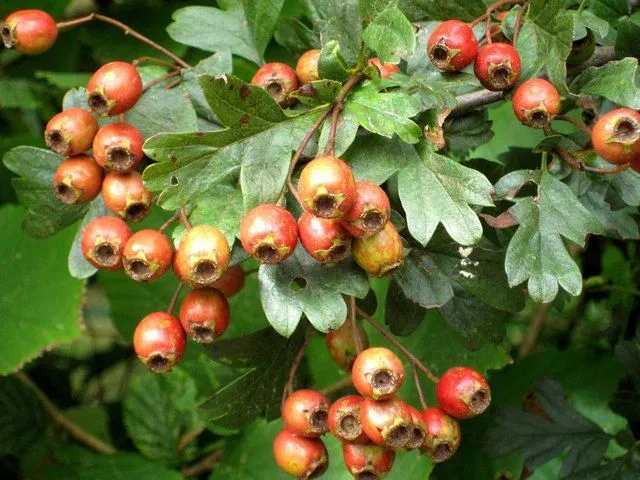
Ideal nesting shrubs have 20+ live stems per square metre at 0.6–2.5m height. Choose dense natives like hawthorn, viburnum, or rose for concealment and predator resistance. Thorns deter cats; berry yield feeds fall migrants. Plant in groups, not as isolated specimens.
A useful nesting shrub usually has more than 20 live stems per square metre at bird-nest height. That measurement matters more than flower colour, nursery label, or whether the plant looks tidy from the patio.
Most shrub advice is written for gardeners, not birds. It ranks plants by bloom, autumn colour, and maintenance burden. Nesting birds select three different properties: concealment at 0.6 to 2.5 m, a branch fork that holds a cup, and a structure that slows cats, raccoons, jays, crows, and squirrels.
Specifications / Recipes / What Actually Works
| Shrub role | Useful plants | Structure | Bird value |
|---|---|---|---|
| Thorn barrier | Hawthorn, native rose, blackberry | Dense, armed stems | Slows cats and raccoons |
| Early fruit | Serviceberry, elderberry | Multi-stemmed, 2–4 m (6.5–13 ft) | Feeds post-breeding adults |
| Autumn fruit | Viburnum, dogwood, spicebush | Dense forks at 0.6–2.5 m (2–8 ft) | Feeds migrants |
| Winter fruit | Winterberry, hawthorn, bayberry | Persistent berries | Supports cold-weather foraging |
| Shade structure | Hazel, ninebark, snowberry | Leafy low stems | Nest concealment where fruit is limited |
Target structure: Aim for a mixed shrub layer 1.2 to 3 m tall with foliage beginning below 300 mm from the ground. A shrub that is leafy only at the top is shade, not nesting cover. Robins, cardinals, catbirds, towhees, thrashers, Song Sparrows, and wrens all use low to middle shrub structure when it is dense enough.
Plant spacing: For a nesting thicket, plant shrubs 900 mm to 1.5 m apart, not the 2 to 3 m often printed on ornamental tags. The goal is canopy contact by year three to five. In a narrow border, use a staggered double row: plants 1 m apart within rows, rows 700 mm apart.
Thorns: Hawthorn, wild plum, native rose, blackberry, raspberry, and gooseberry deter mammalian predators better than smooth stems. Thorns are not cruelty; they are architecture. A cardinal nest 1.4 m inside a hawthorn is harder for a cat to reach than the same nest in an open hydrangea.
Berry yield: Pick shrubs that fruit in different windows. Serviceberry and elderberry feed early to mid-summer birds. Dogwood, viburnum, chokeberry, spicebush, and native rose carry late summer and autumn. Winterberry, hawthorn, and bayberry can hold fruit into winter. Birds need both insects for nestlings and berries for late-season energy.
Regional examples: In eastern North America, combine arrowwood viburnum, red-osier dogwood, elderberry, winterberry, serviceberry, and hawthorn. In the Pacific Northwest, use salmonberry, osoberry, red-flowering currant, Pacific ninebark, snowberry, and Nootka rose. In Britain and Ireland, hawthorn, blackthorn, dog rose, guelder rose, hazel, elder, and holly form the classic bird hedge.
Minimum patch size: One shrub helps little. A functional patch begins at about 3 m by 2 m. A serious nesting strip is 8 to 15 m long, even if only 1.2 m deep. Birds respond to connected cover because fledglings move horizontally through vegetation before they fly well.
Light: Most heavy-fruiting shrubs need 4 to 6 hours of sun. Deep shade produces leaves, not berries. If the site is shaded, accept lower fruit yield and choose structure-first species such as hazel, spicebush, snowberry, or ninebark.
This is the shrub-scale version of the wider planting argument in Native plants for birds: plants matter when they produce insects, cover, or fruit, not when they merely look native on a label.
Common Mistakes
- Pruning into lollipops. Raising the canopy and clearing the interior removes the very structure birds nest in. If you can see daylight through the shrub from 5 m away, it is too open.
- Planting sterile cultivars. Double-flowered, variegated, and compact cultivars often produce fewer insects or fruits. Use straight species or locally proven fruiting cultivars.
- Using only evergreens. Evergreens provide winter roost cover, but many offer poor insect value. Mix evergreen shelter with deciduous native fruiting shrubs.
- Creating a predator corridor. A narrow hedge directly against a fence can become a cat runway. Put thorny structure between the fence and the likely nest sites, or widen the hedge to at least 1.2 m.
- Removing leaf litter. Towhees, thrashers, robins, and sparrows work the litter under shrubs for beetles, larvae, and worms. Bare mulch is visually neat and biologically thin.
Maintenance & Hygiene
Do not prune nesting shrubs from March through August in most temperate regions. If you must cut for safety, inspect first from several angles for active nests. A nest with eggs or chicks should not be disturbed; wait until fledging and at least 7 additional days.
The best pruning cycle is rotational. Each winter, remove one-third of the oldest stems at ground level from dogwood, elderberry, willow, ninebark, and many viburnums. This keeps the base dense. Do not shear the outside into a flat wall; shearing makes green shell and dead interior.
Water new shrubs deeply: 10 to 20 litres per plant once weekly during dry spells in the first growing season. After establishment, avoid routine fertiliser. High nitrogen produces soft shoots and fewer fruits. A 50 mm layer of leaf mould or chipped native wood is enough, provided the mulch does not touch the stems.
Watch for invasive seedlings inside the thicket, especially privet, barberry, buckthorn, honeysuckle, and burning bush. Remove them young, roots included. A nesting thicket should become dense, not invaded. The difference is whether the density feeds native insects and birds.
See Also
- Native Plants for Birds: the broader planting strategy that feeds and shelters birds.
- Attracting Bluebirds: a practical example of shrub cover around nesting habitat.
- Nest Box Plans for Songbirds: the cavity-nesting counterpart to dense shrub cover.
- Eastern Bluebird: a species article that benefits from the shrub structure described here.
- The Complete Attracting Guide: the full cross-species reference for feeders, water, cover, and nest sites.
- Safe Pesticide Alternatives for Bird Gardens: protecting nesting birds from chemical exposure in the garden.
Frequently Asked Questions
What makes a shrub good for nesting?
Three properties matter: concealment at 0.6–2.5m height, a branch fork for cup nests, and dense structure that slows predators. Stem density over 20 stems/m² provides essential cover. Thorny species (hawthorn, rose) deter cats and raccoons.
Should I prune shrubs for nesting birds?
Avoid heavy pruning from March to August, every nest within 50m is in those shrubs. Do major renovation in winter. Leave some areas dense and untrimmed year-round. A mix of trimmed and wild sections provides both safety and berry production.
Which native shrubs have the best berry yield?
Viburnum, serviceberry, elderberry, dogwood, and native roses provide excellent late-summer and fall berries. Berry timing matters, birds need fruit through migration. Plant species that fruit at different times for continuous food supply.
How should I plant shrubs for nesting?
Plant in groups, not isolated specimens. Dense patches provide better territory defence and predator confusion. Space shrubs closely within groups, birds move through them more readily than across open ground to reach isolated plants.