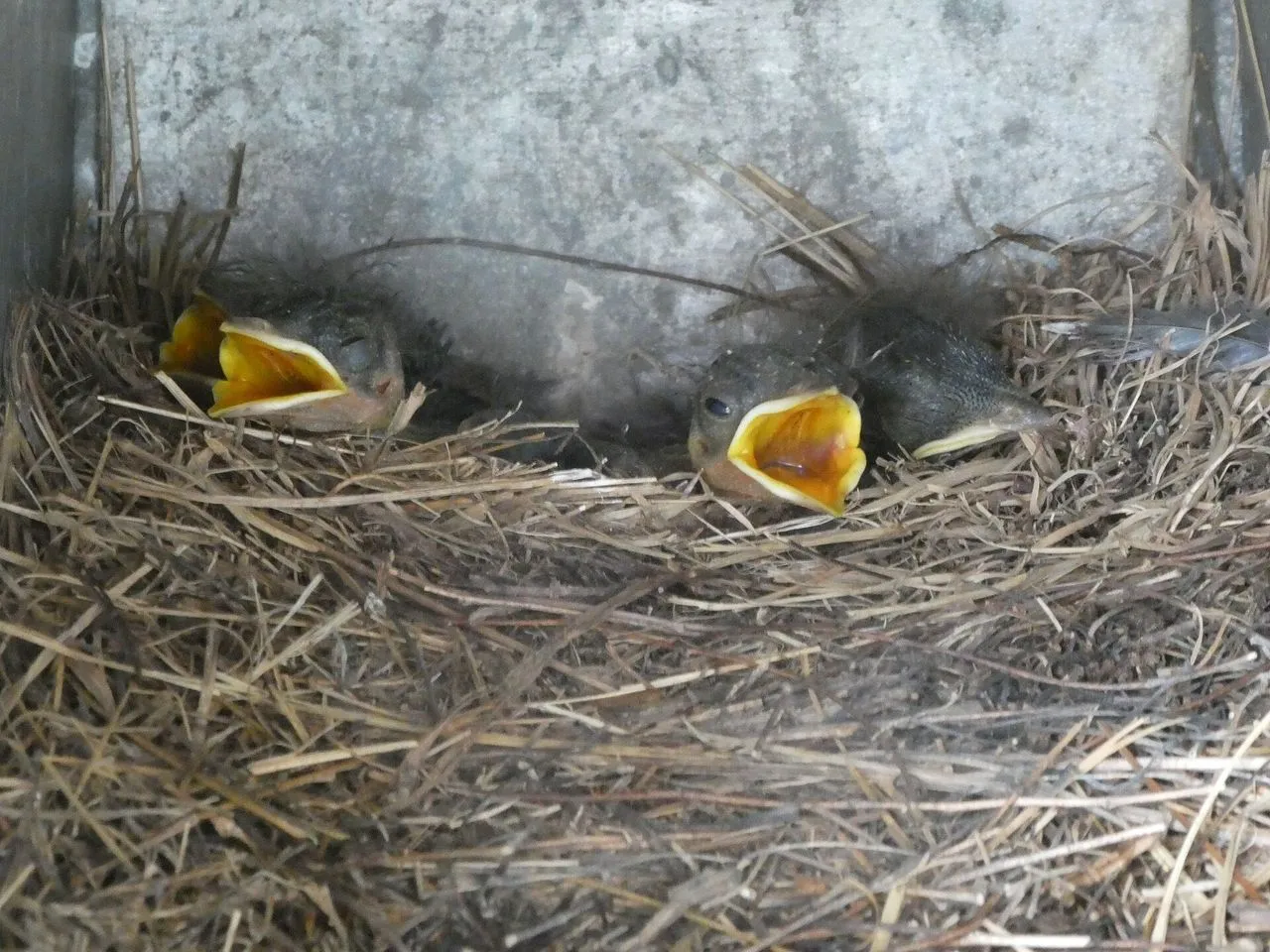
Bluebirds need 38mm entrance holes, 100x100mm floor, 200mm interior height, no perch. Mount 1.5–2m high on smooth poles with predator baffles. They need open habitat with short grass for foraging, scattered perches, and shallow water. Mealworms help but habitat is key.
A 38 mm entrance hole admits Eastern Bluebirds and excludes European Starlings. It does not exclude House Sparrows, snakes, raccoons, or poor box placement. That distinction explains most failed bluebird projects.
Bluebirds are often marketed as a box-and-mealworm bird. They are not. They are open-country thrushes that need short grass, scattered perches, visible ground insects, shallow water, a safe cavity, and aggressive monitoring during the breeding season.
Specifications / Recipes / What Actually Works
| Need | Specification | Why it matters |
|---|---|---|
| Entrance | 38 mm (1.5 in) round hole | Admits Eastern Bluebird (Sialia sialis); excludes starlings |
| Floor | 100 × 100 mm to 125 × 125 mm (4 × 4 in to 5 × 5 in) | Fits a normal bluebird brood without excess cavity volume |
| Mounting | 1.2–1.8 m (4–6 ft) on a smooth pole | Reduces raccoon, snake, and cat access |
| Habitat | Short grass with scattered perches | Matches ground-foraging behaviour |
| Spacing | 90 m (300 ft) where possible | Reduces territorial conflict |
Entrance hole: For Eastern Bluebird, use a 38 mm round hole. For Western and Mountain Bluebirds, use 38 to 40 mm; many trail managers use 39 mm. An oval slot about 32 mm high by 57 mm wide can also work for Eastern Bluebirds. Do not add a perch below the entrance. Perches help House Sparrows and predators more than bluebirds.
Box dimensions: Internal floor 100 x 100 mm to 125 x 125 mm. Depth from entrance hole to floor 125 to 175 mm. Entrance centre roughly 150 mm above the floor. Use 19 mm untreated cedar, pine, or exterior-grade lumber. Add ventilation gaps near the roof, 3 to 6 mm wide, and drainage holes in the floor, 6 to 10 mm.
Mounting height: Mount the box 1.2 to 1.8 m above ground on a smooth metal pole. Do not nail bluebird boxes to trees or fence posts. Trees and fences are predator highways. A 19 to 25 mm metal conduit or purpose-made pole with a wobble-reducing base is adequate.
Predator guard: Install a stovepipe baffle below the box: 150 to 200 mm diameter, 600 to 900 mm long, with the top capped around the pole so snakes and raccoons cannot climb through. A small entrance-hole guard can reduce chewing, but it does not replace a pole baffle.
Habitat: Place boxes facing open lawn, pasture, cemetery, orchard, meadow edge, or large garden beds with short vegetation. Bluebirds hunt by dropping from perches to the ground. Ideal grass height is roughly 50 to 150 mm, with bare patches or low herbaceous cover. Dense shrubbery immediately around the box favours wrens and House Sparrows.
Spacing: Space bluebird boxes at least 90 m apart where possible. In smaller gardens, one box is usually enough. If Tree Swallows compete, paired boxes 3 to 6 m apart can work because swallows defend one and bluebirds may take the other.
Mealworms: Offer 15 to 30 live mealworms per adult pair once daily during cold snaps, prolonged rain, or early fledgling care. Use a smooth cup or a feeder with 38 to 45 mm entrance holes. Unlimited mealworms can produce dependency and calcium imbalance, especially for nestlings. Add baked crushed eggshell separately if feeding mealworms often.
For species identification and natural history, see the Eastern Bluebird. For shrub structure around nesting areas, see Native Shrubs for Nesting.
Common Mistakes
- Adding a perch to the box. Bluebirds do not need it. House Sparrows use it while harassing the occupants.
- Mounting on a tree. Tree-mounted boxes are easier for raccoons, cats, snakes, squirrels, and ants to reach.
- Using decorative boxes. Thin wood, oversized holes, no drainage, and hinged roofs that leak are common in gift-shop boxes. Birds pay the price.
- Failing to monitor. A bluebird box is not a set-and-forget object. Unmonitored boxes can produce House Sparrows instead of bluebirds.
- Putting the box in dense woodland. That is chickadee, wren, or titmouse habitat, not bluebird habitat.
Maintenance & Hygiene
Start the season with an empty, dry box by late winter: February in much of the southern United States, March farther north. Check weekly during nesting season. Open the side or front calmly, count eggs or young quickly, and close the box. Monitoring does not cause abandonment when done briefly and in suitable weather.
Remove old nests after fledging once the young have been out for at least 3 to 5 days. Bluebirds often renest, and a clean box reduces mites and blowfly larvae. Wear gloves, bag the nest, scrape the corners, and brush out debris. If parasites are heavy, wash with hot water and allow the box to dry fully; avoid routine pesticide use.
During extreme heat above 32 to 35 °C, west-facing boxes can overheat. Orient the entrance east or southeast where possible, provide roof overhang of at least 50 mm, and avoid dark paint. Exterior surfaces should be unpainted, stained light, or painted pale tan. Never paint the interior.
House Sparrow control is the hard part. Remove House Sparrow nesting material where legal and before native eggs are present. If sparrows persist, temporarily plug the box for several days or move it farther from buildings, feedlots, hedges, and dense human structures. Bluebird attraction is precise husbandry, not luck with a pretty box.
See Also
- Native Shrubs for Nesting: planting structure that supports the dense low cover bluebirds need around nesting habitat.
- Predator-proofing Feeders: the 3-metre rule that applies equally to nest boxes and to feeding stations.
- The Complete Attracting Guide: the full cross-species reference for feeders, water, cover, and nest sites.
- Eastern Bluebird: species-level natural history, recovery history, and the nest box specification.
- House Sparrow: the competitor that most frequently defeats bluebird projects when box placement and monitoring fail.
- Why Is My Nest Box Empty?: ten ranked causes when your bluebird box stays vacant, with a 9-species hole-size table.
Frequently Asked Questions
What are the correct bluebird nest box dimensions?
100×100mm floor, 200mm interior height, 38mm circular entrance hole (no larger). No perch, perches help House Sparrows and starlings access boxes. Use 15–20mm timber thickness for insulation. Include drainage holes and ventilation.
Where should I mount a bluebird box?
Mount 1.5–2m high on a smooth metal pole with a predator baffle. Face away from prevailing winds. Place in open habitat with short grass (foraging area), within 50m of scattered perches (fence posts, small trees). Avoid dense cover within 10m.
Do mealworms really attract bluebirds?
Mealworms help supplement diet but habitat is more important. Bluebirds are ground-foraging insectivores, they need open grass, visible perches, and shallow water. A well-placed box in good habitat matters more than mealworms.
How do I monitor bluebird nests safely?
Check nests every 3–4 days during egg-laying and incubation, daily during hatching. Keep visits under 2 minutes. Don't check during heavy rain. Watch for predator activity, snakes, raccoons, and House Sparrows are main threats.